
ADVERTISING: ADVERTORIAL — The family cabin: An estate planning blessing or curse?
ROBERT J. GREEN/Kootenai Law Group | Coeur d'Alene Press | UPDATED 1 month, 1 week AGO
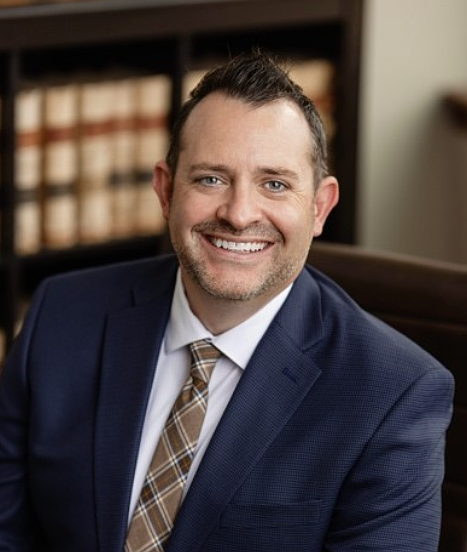
Robert J. Green
In North Idaho, the family cabin isn't just real estate. It's where the grandkids learned to fish, where everyone gathers on the Fourth of July and the asset that holds more memories than dollar value — and, often, the one that quietly tears a family apart after the parents are gone.
If your estate plan addresses the lake cabin, the mountain place, or the family hunting property the same way it addresses your checking account, it probably isn't doing enough. Recreational property is one of the hardest assets to pass to the next generation, and failing to plan for it specifically is a common source of post-death conflict.
The Problem No One Wants to Talk About
Cabins are usually left in equal shares to all the children. On paper, this seems fair. In practice, it often isn't workable.
The classic scenario: Mom and Dad leave the cabin equally to four kids. One lives locally and uses it every other weekend. One lives in Seattle and comes up twice a year. One is struggling financially and wants to sell. One can't afford her share of the upkeep, taxes or insurance, but won't give up the family legacy.
Now four siblings — each with veto power, each with different financial situations, each with different emotional attachments — have to agree on how the cabin is maintained, paid for, used and eventually disposed of. They rarely do.
Issues a Good Cabin Plan Addresses
A thoughtful plan for recreational property gets out ahead of the questions that will otherwise come up at the worst possible time:
Who actually wants it? Talk to your children before you draft the plan. Don’t be surprised if not all of them want a share. Leaving an interest to a child who doesn't want it forces a buyout that may not be financially possible.
How will ongoing costs be paid? Property taxes, insurance, utilities and maintenance continue regardless of who uses the place. Many plans include a funded reserve to cover years of carrying costs.
Who decides when use conflicts? Holiday weekends. The opening of hunting season. A scheduling system written into the governing document prevents the "I called dibs first" arguments.
Can someone be bought out? A buyout formula — how the price is calculated, who has the right of first refusal, how payment is structured — preserves the option to leave gracefully.
What if the family eventually wants to sell? Most cabins are sold eventually. Setting the threshold for sale (unanimous vote? simple majority? supermajority? after a set number of years?) helps avoid deadlock.
Common Legal Structures
Three structures show up most often:
• A cabin LLC. The property is deeded to a limited liability company, and each child receives membership units. The operating agreement contains the rules — usage, cost-sharing, buyouts, sale provisions. The LLC also provides liability protection if someone is injured on the property — especially important if renting it out.
• A cabin trust. A trust holds the property for the benefit of the children (and sometimes grandchildren) and is administered by a trustee — sometimes a sibling, sometimes a neutral third party — under written terms.
• A tenancy-in-common with a co-tenancy agreement. Less formal and less expensive, but offers less structure and no liability protection.
The right choice depends on the family, the property, and the goals. A combination of LLC and a trust is often an option that addresses multiple goals.
The Hardest Part Is the Conversation
The legal structure is the easy half. The harder half is the family conversation: who wants the cabin, who doesn't, and what compromises everyone can live with.
If your family owns a cabin or recreational property and your plan doesn't address it specifically, the work is worth doing now — while you can shape the outcome. Done well, the cabin stays in the family for another generation. Done poorly, it becomes the asset everyone fights over and no one keeps. Don’t let your legacy become the wedge that comes between your descendants.
My law firm is currently offering free telephonic, electronic, or in-person consultations concerning probating estates or creating estate planning documents.
• • •
Robert J. Green is an Elder Law, Trust, Estate, & Guardianship Attorney and the owner of Kootenai Law Group, PLLC in Coeur d’Alene. If you have questions about estate planning, probates, wills, trusts, powers of attorney, guardianships, Medicaid planning, or VA Benefit planning, contact Kootenai Law at 208-765-6555, [email protected], or visit www.KootenaiLaw.com.
This has been presented as general information and not as legal advice. Do not engage in legal decision-making without the advice of a competent attorney after discussion of your specific circumstances.