
Easy ways to make your home safer against forced entry
Alison Green | Bonner County Daily Bee | UPDATED 4 hours, 38 minutes AGO
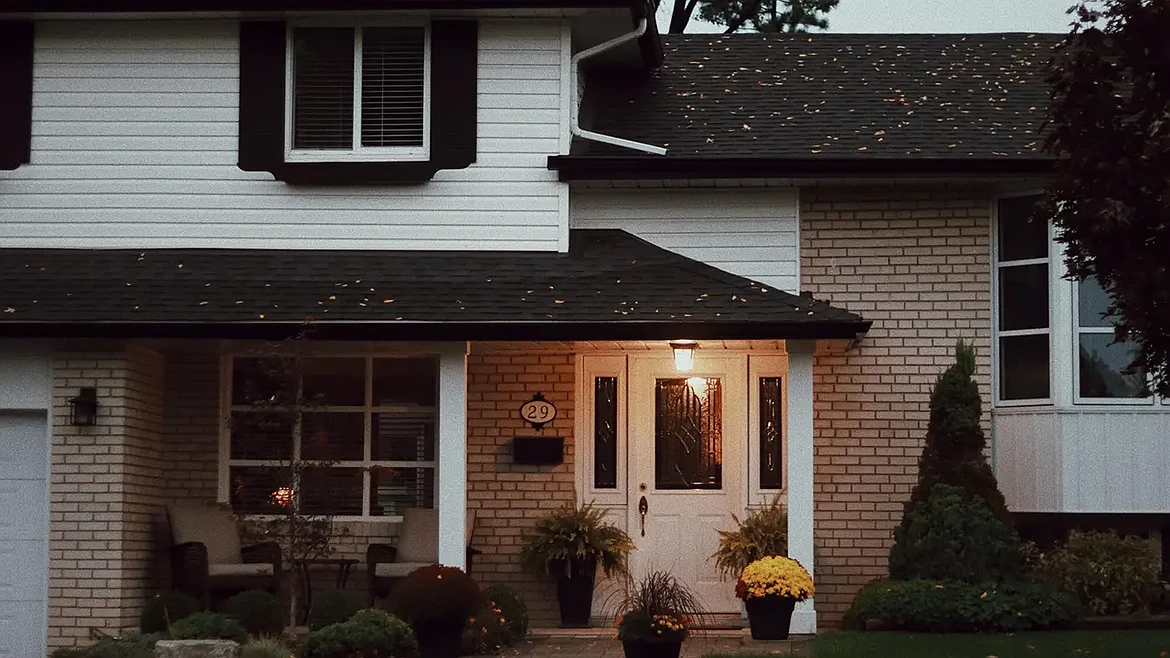
Protect your home against forced entry by reinforcing exterior doors, upgrading vulnerable windows, and improving outdoor lighting. Regular security checks can also help identify weaknesses before intruders exploit them.
Most homeowners don't think much about their home's security until something happens nearby. A neighbor reports a break-in, or someone notices signs of tampering around their property, and suddenly the locks they've trusted for years don't seem so reassuring.
According to the FBI's 2024 crime data, 55.4% of burglaries involved forcible entry. The figure highlights why securing vulnerable entry points matters.
Security cameras are among the most common home security measures, but they won't strengthen a weak door frame or faulty window lock. Fortunately, you can address many of these vulnerabilities without expensive renovations.
What Is the Biggest Deterrent to Burglars?
A burglar alarm is one of the strongest deterrents to home break-ins. According to a University of North Carolina at Charlotte study, 60% of surveyed burglars said they would seek another target if they discovered an alarm system.
The study involved 422 incarcerated burglars, providing insight into how offenders assess potential targets. A functioning alarm increases the risk of detection and can discourage break-in attempts.
However, no alarm system guarantees protection, especially if it isn't properly maintained or activated.
Reinforce Exterior Doors and Their Frames Against Forced Entry
Reinforced entryways aren't just about sturdy doors. The surrounding frames also need to withstand someone trying to force their way inside.
Start by examining the strike plate, the metal piece that holds the lock bolt in place. If it's secured with short screws, consider replacing them with three-inch screws that reach the wall framing. The Seattle Police Department also recommends installing heavy-duty strike plates to improve resistance against forced entry.
Check your door hinges and replace any damaged or rotting wood around the frame. A quality deadbolt with at least a one-inch throw provides additional protection.
Don't Overlook Ground-Floor Windows
Windows are another potential entry point for burglars, especially those on the ground floor. An aging window with a faulty lock or damaged frame may offer little resistance to someone attempting to force their way inside.
Homeowners can improve window security by:
- Checking window locks: Replace faulty latches and ensure windows close properly
- Inspecting frames: Repair rotting wood or warped frames that weaken the window's structure
- Upgrading glass: Consider laminated security glass or professionally installed security film
- Removing access points: Keep ladders and other objects that could provide access to upper windows securely stored
When replacing old windows, homeowners should consider products with stronger frames and impact-resistant glazing. Companies such as Reece Windows in Tampa offer replacement windows designed with these features.
Remember that impact-resistant windows aren't necessarily burglar-proof. Bedroom windows must also remain usable as emergency exits.
Make Your Home Less Inviting to Intruders After Dark
Poorly lit entrances can give burglars an opportunity to approach a property without attracting attention. Walk around your home after sunset and identify areas where someone could reach a door or window without being easily seen.
Installing motion-activated lights around entry points is a practical way to address this problem. The lights turn on when they detect movement, making an unexpected visitor easier to spot.
Overgrown bushes and tall shrubs can also provide cover near windows. Keep vegetation trimmed, especially around entrances not visible from the street.
If you're traveling, consider using timers to switch indoor lights on during the evening. This can make it look like someone is home, even when the property is unoccupied.
Secure Sliding Doors, Garages, and Secondary Entrances
Homeowners usually focus on the front door when thinking about security. However, sliding patio doors, garages, and side entrances can also provide access to the house, especially when they're rarely used.
Here's what you can do to secure these areas:
- Sliding doors: Install a secondary lock or security bar to prevent the door from being forced open
- Garages: Keep garage doors closed and protect remote controls from unauthorized access
- Attached garages: Make sure the door connecting the garage to your living space has a functioning deadbolt
- Side and basement entrances: Inspect locks regularly and repair damaged doors or frames
Keep outdoor tools and ladders locked away, as intruders could use them to access windows or other parts of the property.
Frequently Asked Questions
What Should You Do if You Suspect Someone Has Broken Into Your Home?
Don't enter the property or confront a suspected intruder. Move to a safe location and contact the police. Once authorities have cleared the premises, document any damage before arranging repairs.
Can Renters Improve Home Security Without Making Permanent Changes?
Yes. Renters can use portable door alarms, battery-powered motion lights, and other removable security devices. However, changes involving existing locks or permanent fixtures generally require the landlord's permission.
Does Homeowners Insurance Cover Burglary?
Most standard homeowners insurance policies cover theft of personal belongings, subject to policy limits and deductibles. Coverage for expensive jewelry or other valuables may be restricted. Review your policy to understand what it covers.
Are Security Bars Safe for Bedroom Windows?
Security bars can provide additional protection against forced entry, but they must not prevent occupants from escaping during a fire. Windows designated as emergency exits need bars with an interior quick-release mechanism that operates without a key or special tool.
Should You Change the Locks When Moving Into a New Home?
Yes. Previous owners, tenants, or contractors may still have copies of the keys.
Rekeying existing locks or replacing them ensures old keys no longer work. A locksmith can assess whether the current hardware is worth keeping or needs an upgrade.
Make Your Home a Harder Target for Burglars
Your home should feel safe, but that peace of mind shouldn't depend on luck. A home safety inspection can help you identify weak entry points and address them before someone attempts a forced entry.
You don't have to make every improvement at once. Start with the areas that need the most attention and work your way through the rest.
Explore our website for more home improvement tips, local news, and informative articles.
This article was prepared by an independent contributor and helps us continue to deliver quality news and information.
This article was prepared by an independent contributor which helps us continue delivering quality content to our audiences.