
Community could see reparations from CFAC pollution impacts
CHRIS PETERSON | Hagadone News Network | UPDATED 3 hours, 34 minutes AGO
Chris Peterson is the editor of the Hungry Horse News. He covers Columbia Falls, the Canyon, Glacier National Park and the Bob Marshall Wilderness. All told, about 4 million acres of the best parts of the planet. He can be reached at [email protected] or 406-892-2151. | November 4, 2026 4:40 AM
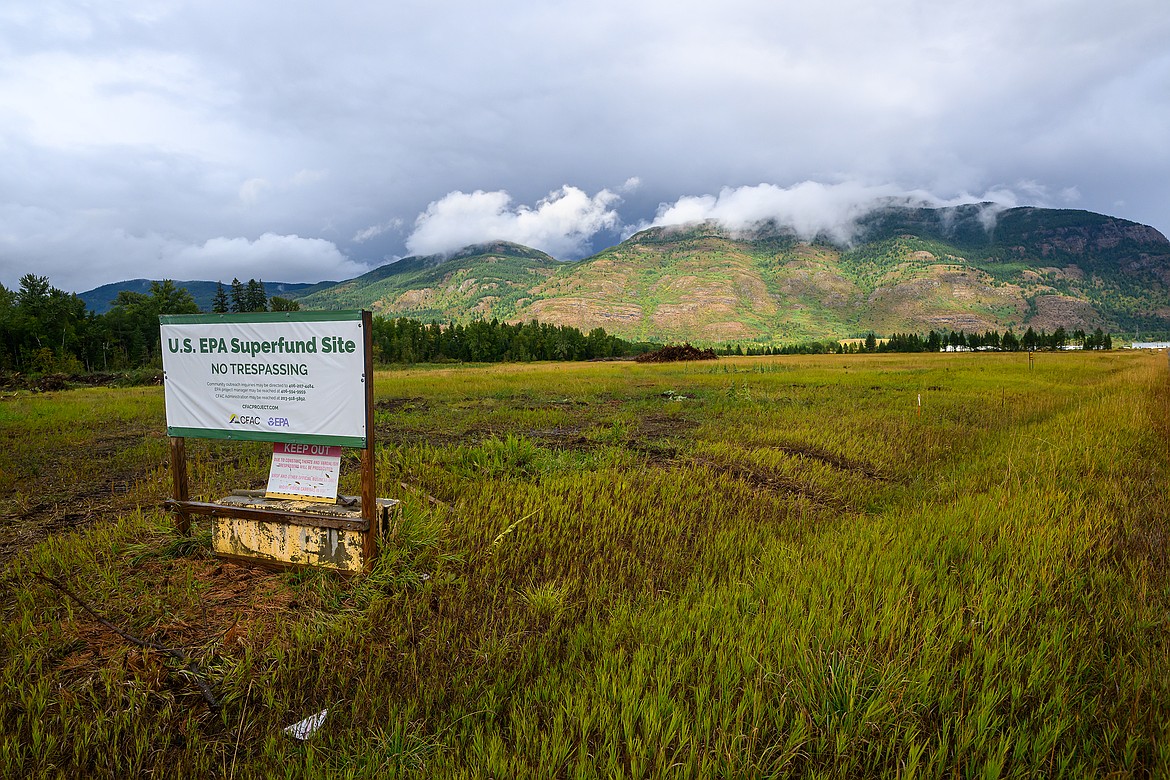
Reparations from the Columbia Falls Aluminum Co. plant’s past pollution could help Columbia Falls with projects like upgrading water lines, but it will likely be years before the city, or any other stakeholder, sees any money.
That was the message last week during a meeting of trustee representatives of the State of Montana Natural Resource Damage Program. Representatives of the program, which is authorized under federal Superfund law, gave an update on its investigation of the site to date.
The program will take another, and perhaps close, look at contamination at the site and ways to mitigate and ways compensate for the long-term impacts to the natural environment from the operation of the former aluminum smelter.
The effort is part of Superfund law and is collectively done by the state of Montana, the Confederated Salish and Kootenai Tribes, the Department of Agriculture, and the Department of Interior, collectively known as the “trustees.”
About a 10 members of the public met with trustee representatives last week to get an update on the Damage Plan’s investigations to date.
The Damage Risk Assessment is separate from the Superfund cleanup of the defunct smelter. Instead, it looks to recoup damage done to the environment by historic polluters, in this case CFAC and the Atlantic Richfield Co., both previous owners of the site, after 1981. (The Superfund law was passed that year and excluded any damage from polluters prior to that.)
So far, the Trustees have significant data on surface and groundwater impacts from the plant, they noted, but they still need more data on soils, particularly off-site and the biota, which includes wildlife and plants.
Chris Stark, representative for the CSKT, noted the species impacted by former plant operations don’t have to be endangered as far as the Tribe is concerned. Same for fish, birds and other species.
The Tribe has a stake in the matter through the Hellgate Treaty, which allowed the Tribe the right to hunt, gather, graze livestock, and fish across all of their old territories outside of the current reservation.
The U.S. Fish and Wildlife Service will also examine impacts to the biota, noted biologist Brian Balmer.
The hope is to have a plan for examining the biota impacts on the 1,340 acre site by next spring.
But even after the data is collected and the damages are determined, it typically takes years to reach a settlement, noted Katherine Hausrath, chief legal counsel for the Trustees. Over the years, multiple settlements have been reached at other Superfund sites in Montana, usually for millions of dollars, but those negotiations take time.
Meanwhile, some members of the public urged the program to look for per- and polyfluoroalkyl substances, also known as PFAS, or “forever chemicals.”
Former plant engineer Nino Berube implored the program to investigate for PFAS, which the Environmental Protection Agency admits weren’t examined when the site was investigated for cleanup action.
He claimed with the tons of fluoride that were used in the production process along with the carbon, PFAS should exist. At the very least, they should look for them.
Another potential risk was through using foam in fighting fires at the plant. The trustees, in a letter to the company earlier this year, have already asked CFAC to provide more data on fires at the plant and how they were fought, if it has them. PFAS were often used in the foam used to fight fires.
PFAS are carcinogenic, though they’re also pervasive in modern society. The city of Columbia Falls recently shut down a municipal well because it was found to have PFAs higher than EPA safe water drinking standards. That well is miles away from the plant, however.
There’s plenty of other pollution at the plant’s old landfills. Groundwater close to old dumps is contaminated with cyanide and fluoride. The company plans to put a slurry wall around the dumps, with the hopes of stopping the contaminated groundwater from migrating outside their footprint.
Work on the wall could start as soon as 2027, company officials have said in the past. In 2026, they installed a new liner on the Cedar Dam overflow ditch that runs through the property.
The idea there is that the ditch doesn’t leak water into nearby landfills.
But other parts of the property have been deemed safe for humans, according to the EPA. The EPA recently OK’d a housing development on 76 acres of vacant land that was formerly CFAC lands. Developer Mick Ruis, who bought most of the CFAC property save for the dumps, is currently doing site work on the 76-acre parcel, with the first homes to go in in the next 16 months or so.
Stark said he was still interested in hearing from anyone who might have further insight into the plant and its operations and possible impacts it could have had.
People can reach him at [email protected].
ARTICLES BY CHRIS PETERSON

For Nelson, computers and music merge
Adam Nelson has been playing music and tinkering with computers since he was a kid growing up in Columbia Falls.
Community could see reparations from CFAC pollution impacts
Reparations from the Columbia Falls Aluminum Co. plant’s past pollution could help Columbia Falls with projects like upgrading water lines, but it will likely be years before the city, or any other stakeholder, sees any money.
Columbia Falls High offering online alternative
Kayden Gonzales can solve a Rubik’s cube in about 30 seconds. But sitting in a classroom really isn’t for the Columbia Falls senior. He already works four days a week and only needs a couple of classes to graduate.