
The secret life of winter soil
CANDACE GODWIN/Gardening at the Coop | Coeur d'Alene Press | UPDATED 17 minutes AGO

Candace Godwin
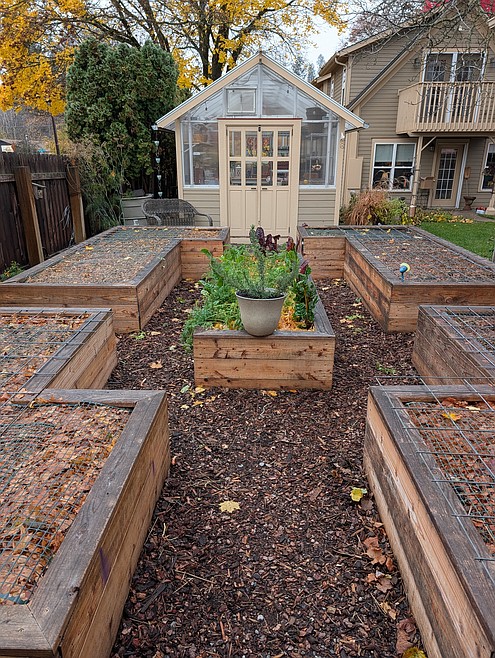
While the garden appears to rest for the winter, an entire community of organisms living in the soil will continue their work.
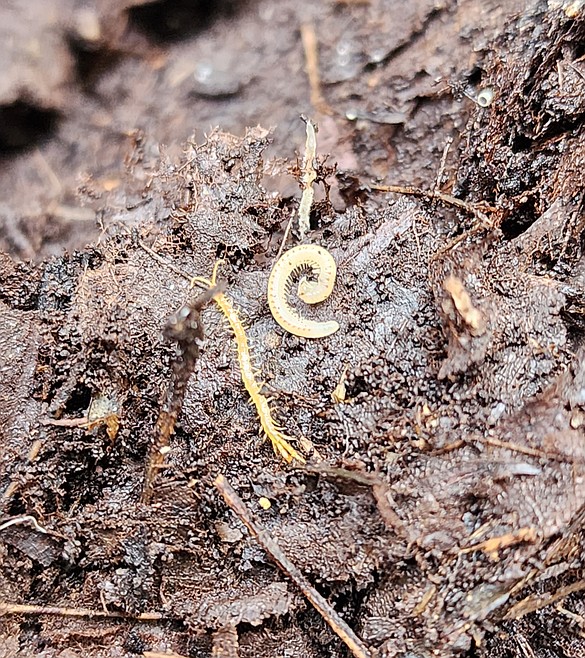
Soil isn’t just “dirt” holding your plants upright—it’s a living ecosystem filled with bacteria, fungi, earthworms, and countless other organisms.
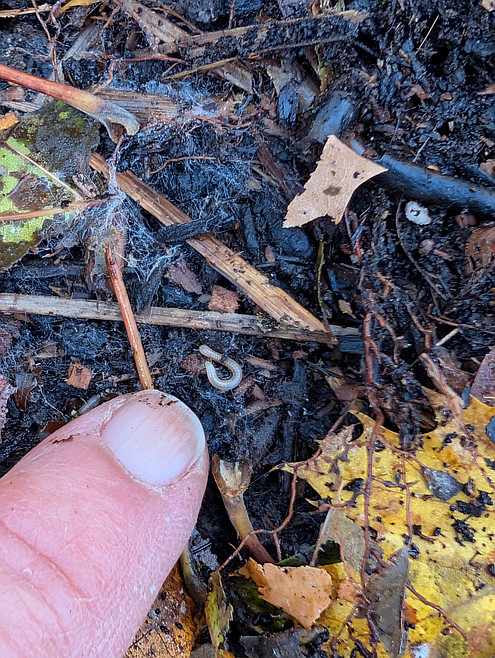
While moving recently applied leaf mulch to plant shallots, I discovered that tiny soil creatures had already inhabited the layer between the mulch and the compost.
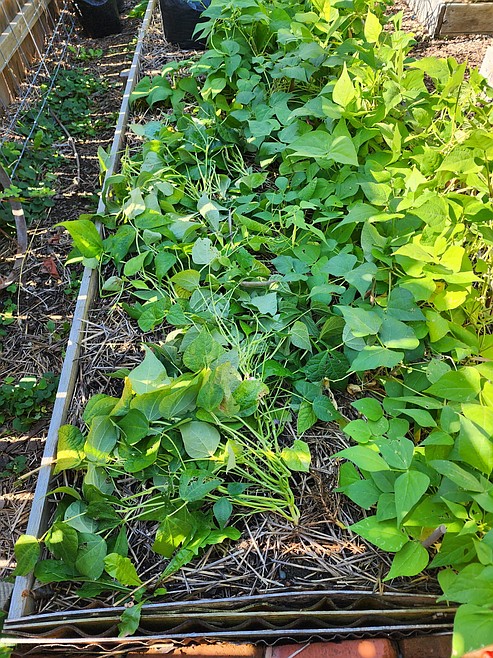
Disease-free plant debris and roots can be left in the garden, where it gradually decomposes. This makes fall chores easier and adds organic matter to the soil.
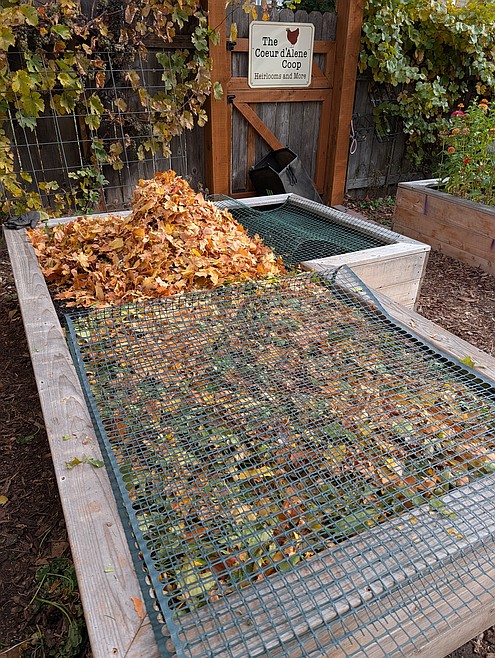
Fall leaves make a perfect topper to protect the soil from erosion, temperature fluctuations, soil compaction from heavy rains, and suppress weeds.
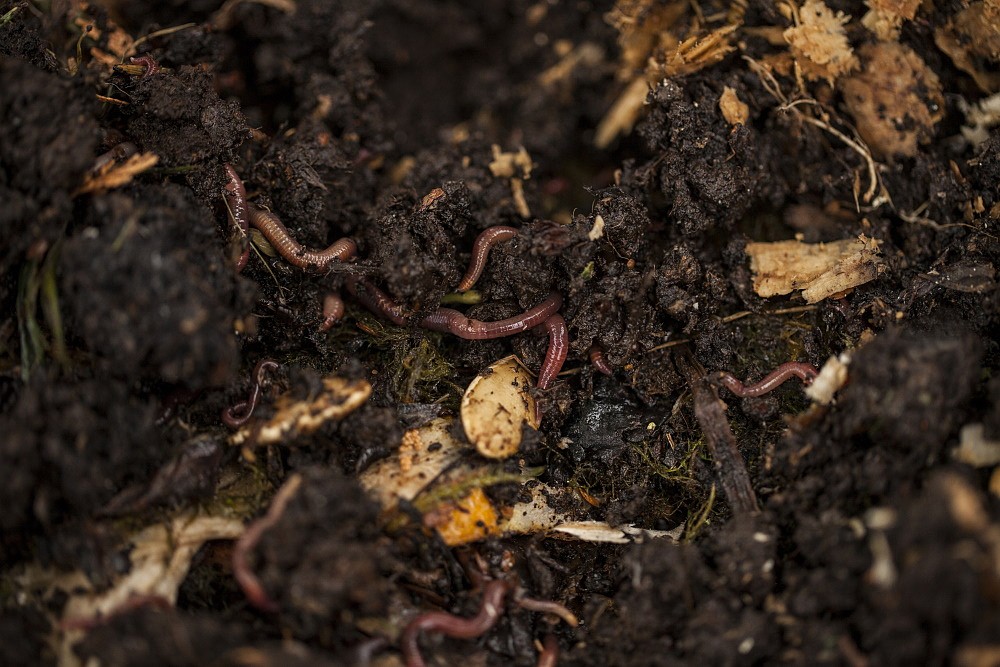
Earthworms are efficient decomposers of organic matter and produce castings and channels that improve soil structure. When soil temperatures drop, they move deeper into the soil or become less active.
The spent tomato vines have been cleared. Fall carrots have been harvested. The last of the zinnias, some still promising one more blossom, have been cut down; their final blooms grace the dining room table. With a final wheelbarrow of compost and a top layer of shredded leaves, my raised-bed garden is put to bed for the winter. Sleep tight — see you in the spring!
Aboveground, the garden seems finished. But what’s happening beneath the surface?
An entire community of living organisms, roots, and decomposing organic matter is responding to the changing season, albeit more slowly.
Apparently, the soil didn't get the memo that “gardening season” was over.
The Soil is Alive — Even When the Garden Isn't Growing
If you’ve followed my garden writing, you know I’m a strong advocate for healthy soil. It’s the very foundation of your garden. Soil isn’t just “dirt” holding your plants upright — it’s a living ecosystem filled with bacteria, fungi, earthworms, and countless other organisms.
Each plays a role in breaking down organic matter, cycling nutrients, maintaining soil structure, or interacting with plant roots.
During the warmer months, the soil is bustling with activity. As the seasons change, however, that activity slows.
Soil life can remain fairly active late into fall because soil temperatures generally cool more slowly than air temperatures. Layers of organic matter and snow help insulate the soil from rapid temperature swings.
Microbial activity can continue in cool, unfrozen soil, but the rate generally declines as temperatures drop. Once the soil freezes, much of the biological activity slows dramatically or becomes dormant.
Think of winter soil as a resort town after the tourists leave. The pace slows, but the year-round residents are still there.
Nature's Underground Recycling Crew
We often speak of adding compost or other organic matter to “feed the soil.” While these materials contain nutrients, we’re also providing food for the organisms that live in it.
As decomposers break down leaves, dead roots, plant debris, and compost, nutrients gradually become available to plants. It’s an ongoing process, not something that happens overnight or sometimes even in a season. That's why building healthy soil takes time.
Bacteria and fungi are among the primary decomposers, breaking down organic material and helping cycle nutrients through the soil.
Earthworms consume decaying material and soil, producing casts and channels that improve soil structure. As soil temperatures drop, they move deeper into the soil or become less active.
Other soil organisms, including woodlice, beetles, springtails, and mites, help fragment organic matter and contribute to decomposition.
It’s amazing how quickly these creatures appear. I recently planted fall shallot bulbs in a bed about a week after applying compost and shredded leaves. As I moved the leaves aside to plant, I found many tiny creatures already making themselves at home in the new material.
That blanket of leaves isn’t just there to keep the soil covered. It’s also providing food and habitat for a community of recyclers ready to work whenever the conditions allow.
What Happens to Plant Roots in Winter?
It’s easy to judge how plants are growing by what we see above ground, but that doesn’t always reveal what’s happening below the surface.
In fall, many perennial plants enter dormancy. While their leaves die back, roots and crowns remain alive, with stored energy reserves to support next spring’s growth. Even after visible growth has stopped, roots can continue growing when conditions are favorable.
Case in point: planting garlic and spring bulbs in fall. Cool, unfrozen soil allows them to develop roots and become established before the ground freezes. If you’ve accidentally upended a tulip bulb planted earlier in the season, you’ll see how much root growth can occur in just a few weeks. (However, I do not recommend upending previously planted bulbs!)
And then there are the annual flowers and vegetables. When an annual plant dies, its roots eventually die, too. If left in the soil, those roots gradually decompose, adding organic matter and leaving channels that can benefit future root growth and soil structure.
I used to pull everything out of my garden, knocking the soil from the roots. Now I “chop and drop” spent, healthy plants at the soil line, leaving the roots in the ground. Suitable, disease-free plant debris can remain on the surface as mulch, where it gradually decomposes. Compost can be layered directly on top.
It makes fall work easier and, more importantly, adds organic matter to the soil.
How You Can Help Your Soil and When to Leave Things Alone
Now that you understand what’s happening beneath the surface, here are a few ways to support your soil and its inhabitants through winter and into spring.
The good news is there’s still time while the weather remains mild.
• Add organic matter. A 1- to 2-inch layer of finished compost applied in fall adds organic matter and supports long-term soil health.
• No bare soil! Cover exposed soil with shredded leaves, straw, pine needles, or another suitable organic mulch. This helps protect the surface from erosion, moderate temperature fluctuations, reduce the impact of heavy rain, and suppress weeds.
• Practice no-dig methods. Avoid unnecessary tilling or digging. Disturbing soil can disrupt its structure, root channels, and fungal networks.
• Avoid working in or walking on wet soil. These activities can compact the soil, reducing the pore space needed for air, water, and roots.
Supporting the soil’s underground community doesn't require another long list of garden chores. A little compost, a protective layer of mulch, and less disturbance can go a long way.
Sometimes the best thing we can do is leave the soil alone.
Winter Isn't Just a Pause — It's Part of the Process
As we put our gardens to bed for winter, it's easy to imagine everything settling into a long winter’s nap. But beneath the mulch and compost, the soil remains a living ecosystem, responding to shifting temperatures, moisture, and the organic matter left behind.
Some organisms remain active, others slow down or enter dormancy, and many resume their activities when conditions improve.
We may be done gardening for the season, but nature isn't done with the soil.
• • •
Candace Godwin is a certified Idaho Master Gardener, garden consultant, writer, and owner of The Coeur d’Alene Coop (thecoeurdalenecoop.com), a licensed nursery offering seasonal online plant sales.
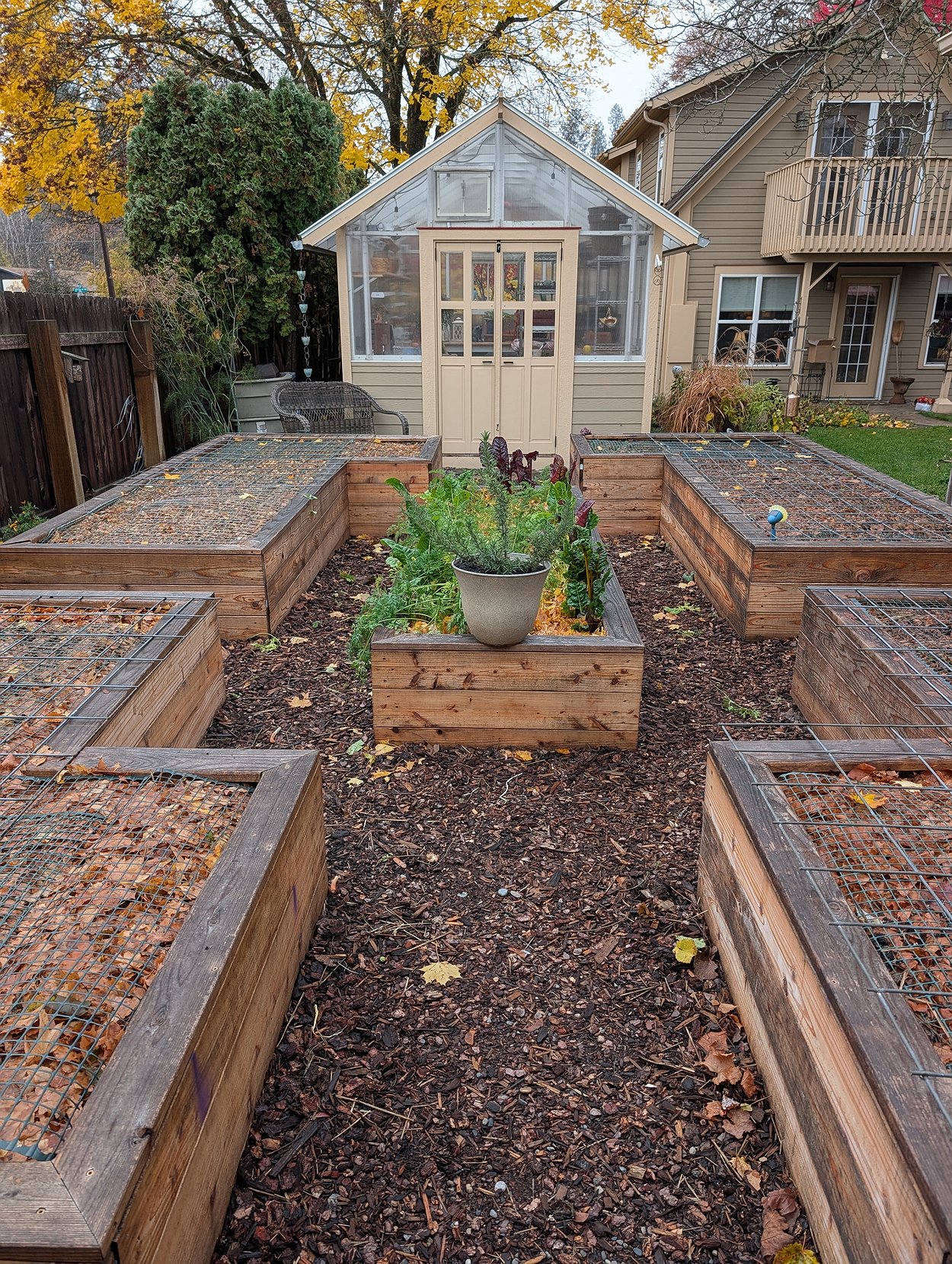 While the garden appears to rest for the winter, an entire community of organisms living in the soil will continue their work.
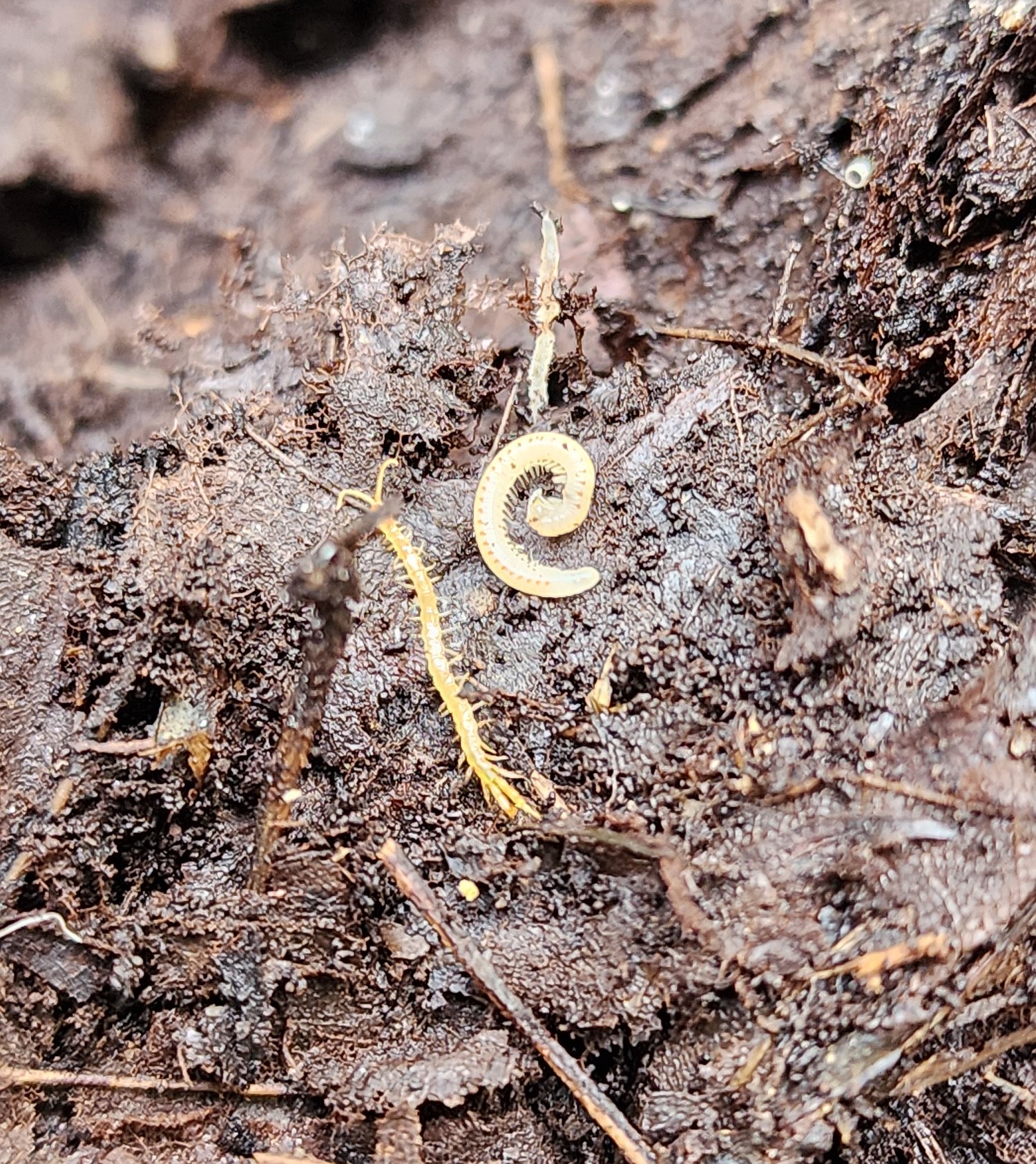 Soil isn’t just “dirt” holding your plants upright—it’s a living ecosystem filled with bacteria, fungi, earthworms, and countless other organisms.
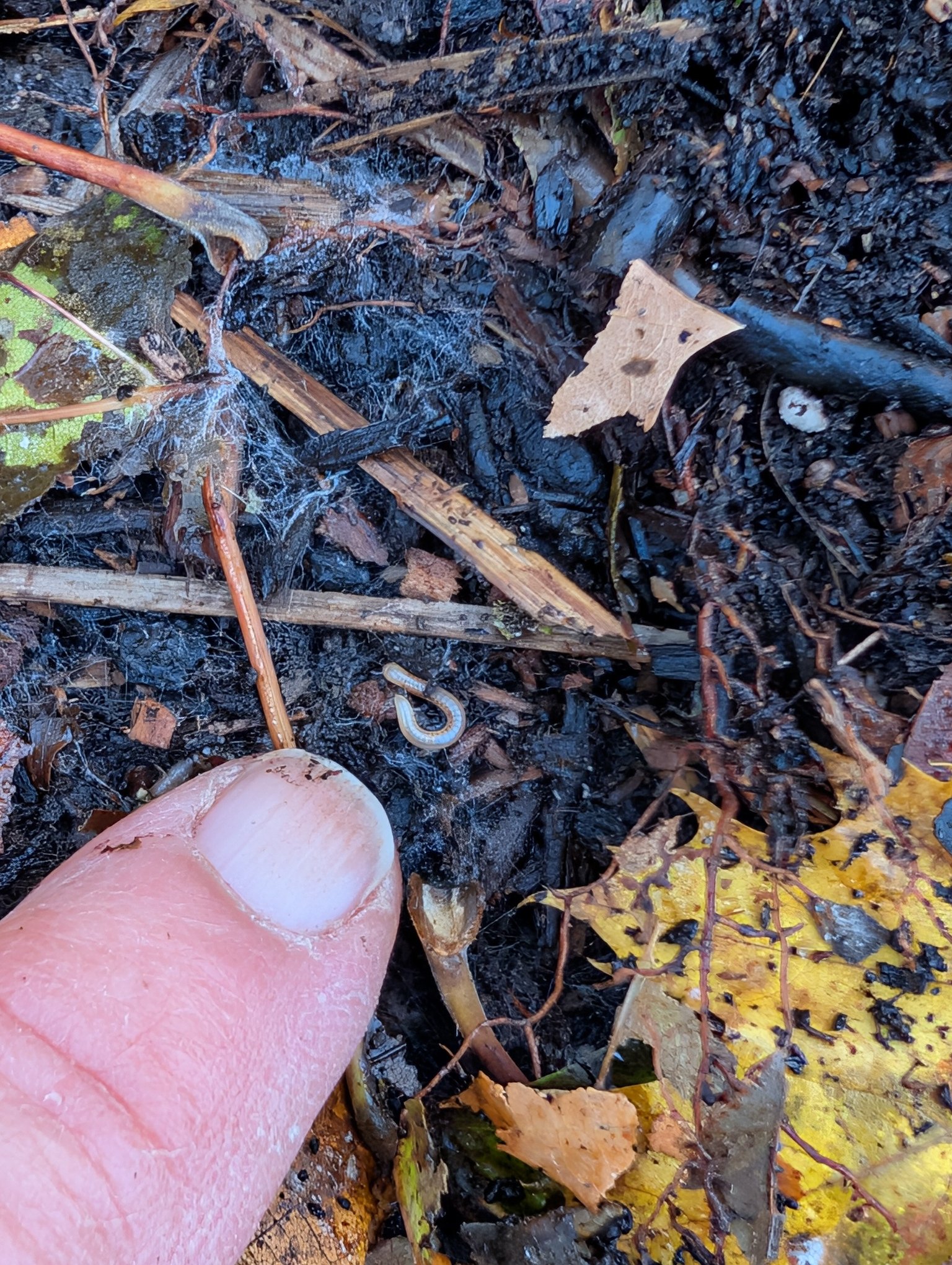 While moving recently applied leaf mulch to plant shallots, I discovered that tiny soil creatures had already inhabited the layer between the mulch and the compost.
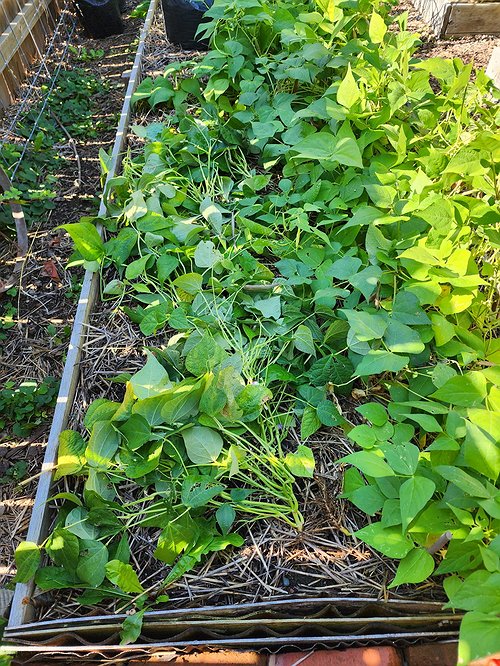 Disease-free plant debris and roots can be left in the garden, where it gradually decomposes. This makes fall chores easier and adds organic matter to the soil.
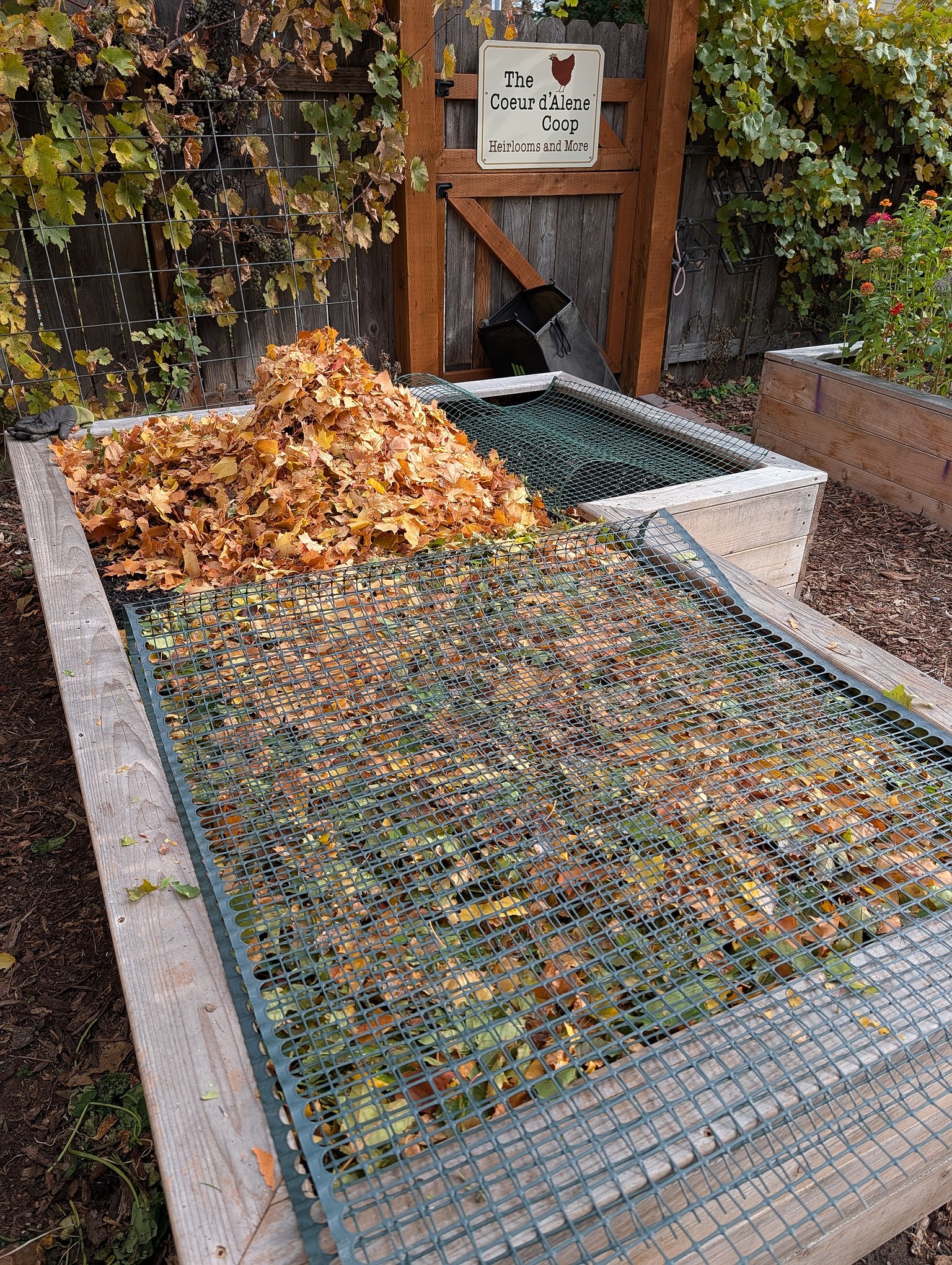 Fall leaves make a perfect topper to protect the soil from erosion, temperature fluctuations, soil compaction from heavy rains, and suppress weeds.
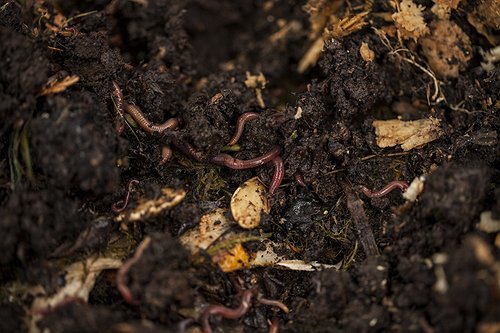 Earthworms are efficient decomposers of organic matter and produce castings and channels that improve soil structure. When soil temperatures drop, they move deeper into the soil or become less active.