
How to prepare your home inventory and packing list before moving states on a tight deadline
Alison Green | Shoshone News-Press | UPDATED 8 hours, 46 minutes AGO
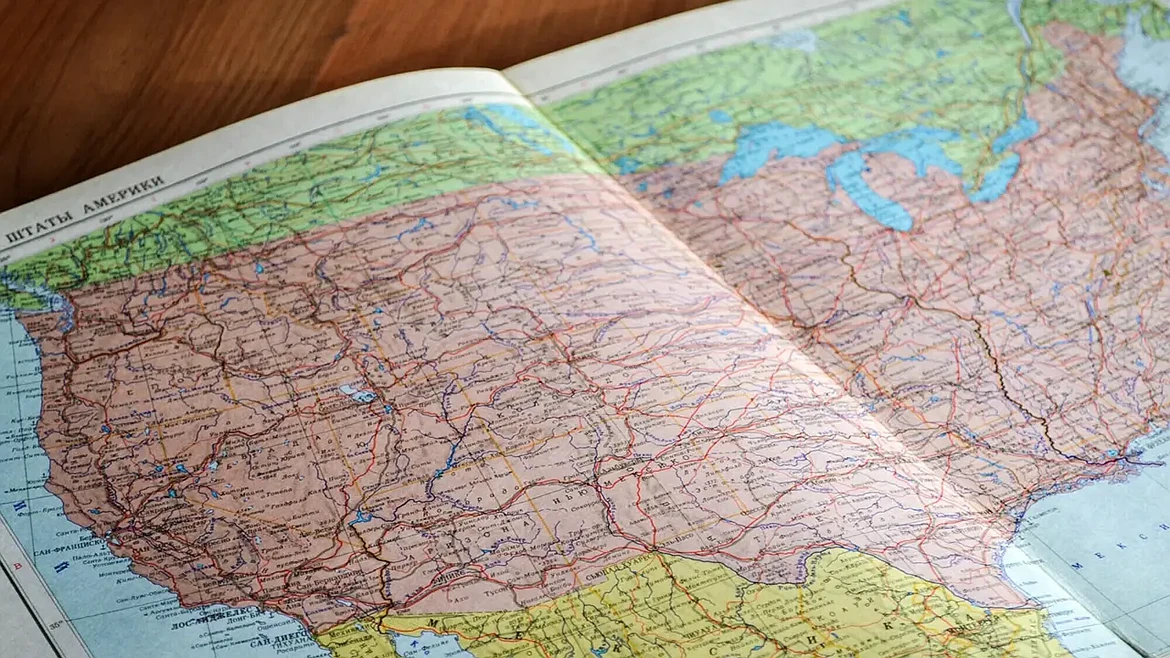
Moving states on a tight deadline requires a clear home inventory, a room-by-room packing list, and early arrangements with movers. Sort belongings, label boxes, and keep essentials separate to reduce delays and ensure the move is organized.
You've landed a new job in another state, but there's a catch. You're expected to report to work in three weeks. Suddenly, you have an entire household to pack, a moving company to find, and dozens of decisions to make before hitting the road.
Moving states on such short notice is overwhelming, especially when years of belongings are scattered across bedrooms, closets, and the garage.
The biggest mistake is rushing straight into packing without knowing what needs to go. A clear home inventory and packing plan saves valuable time and helps prevent expensive surprises on moving day.
How Far in Advance Should You Start Packing When Moving States?
Ideally, start packing four to six weeks before moving day. This gives you enough time to sort through belongings, get packing supplies, and avoid rushing through the final days.
If you're on a fast relocation prep, two to three weeks can still be manageable.
Begin with low-use items, such as seasonal clothes, books, and decorations. Leave everyday essentials, including kitchen supplies, toiletries, and frequently worn clothes, until the last few days.
The sooner you begin, the less pressure and stress you'll face as moving day approaches.
Do a Room-By-Room Home Inventory
Before packing, walk through each room and make a list of everything you plan to move. This helps you see how much you're taking and identify items that may need special handling.
Your home moving inventory should include:
- Furniture such as beds, sofas, dining tables, and cabinets
- Electronics including televisions, computers, and sound systems
- Appliances you intend to take to your new home
- Valuables such as artwork, jewelry, and collectibles
- Packed boxes with short descriptions of their contents
Use a spreadsheet or a phone app to keep everything organized. Update the list as you pack so you always know what's ready and what still needs attention.
Decide What Isn't Worth Moving
Moving states can be expensive, especially when you're paying to transport furniture and other bulky items. Before packing everything you own, consider whether some belongings are worth taking.
An old sofa, for example, might cost nearly as much to move as it would to replace.
Go through your belongings and separate what you want to keep from what you can sell, donate, or throw away. If you're working with a tight deadline, set a firm date for getting rid of unwanted items so they don't become another moving-day problem.
Get Moving Estimates Before Finalizing Your Packing Plan
Once you know what you're taking, start comparing moving companies. An accurate inventory helps movers estimate the size of your shipment and the cost of transporting it across state lines.
When requesting quotes, make sure you:
- Share your inventory so movers can estimate the space and labor needed
- Mention access challenges such as stairs, narrow hallways, or long walks to the truck
- Compare written estimates and check whether prices are binding or nonbinding
- Ask about extra charges for packing, storage, or handling heavy items
- Confirm availability for your preferred moving date
You can use the Three Movers quote tool to begin comparing relocation options. Check each mover's credentials and written terms before making a booking.
Pack Rooms in an Order That Makes Sense
Packing everything at once leaves your home in chaos, especially when you still need to live there for several days. A better approach is to tackle the rooms you use the least.
Begin with storage areas, spare bedrooms, and the garage. Pack books, decorations, and seasonal items before moving on to the main living spaces.
Leave the kitchen and bathroom until closer to moving day, since you'll still need everyday supplies. Keep one room or corner clear for finished boxes so they don't block walkways.
This approach lets you make steady progress without constantly reopening boxes to find things you packed too early.
Label Boxes and Keep Essentials Within Reach
A box marked "Kitchen" isn't helpful when you're searching for the coffee maker after moving. Clear labels save time when unloading and unpacking.
Number each box and write down its contents and destination room. For example, "Kitchen 04 - Plates and Mugs" tells you exactly what's inside. Match these labels to your home inventory so you can check that everything arrives.
Keep important documents, medications, chargers, and a change of clothes in a separate bag that travels with you.
Before the moving truck leaves, check your box count against the inventory and walk through every room to make sure nothing has been left behind.
Frequently Asked Questions
Can Interstate Movers Transport Cleaning Products and Household Chemicals?
Most moving companies won't transport hazardous items such as gasoline, paint thinner, propane tanks, or certain cleaning chemicals. Make the mover's restricted-items list part of your interstate shipping prep, and check it before anything goes into a box.
What Happens if Your Belongings Arrive Before You Do?
You may need temporary storage until you're ready to receive the shipment. Ask your moving company about:
- Storage options
- Delivery arrangements
- Any extra fees before departure
How Can You Tell if an Interstate Moving Company Is Legitimate?
Check whether the company is registered with the Federal Motor Carrier Safety Administration (FMCSA). You can verify its USDOT number and review safety and complaint information through official federal resources.
Should You Buy Additional Moving Insurance?
Interstate movers must offer different levels of liability protection, but basic coverage may not pay as much as an item's replacement cost. Review the available options and consider separate insurance for expensive belongings.
What Should You Do if Something Arrives Damaged?
Take photographs of the damage and compare the item's condition with your original inventory. Notify the moving company and follow its claims process, keeping copies of all related documents.
An Organized Moving Day Is Possible
Moving states on a tight deadline is much easier when you know exactly what you're taking and how everything will be packed. A reliable inventory and early arrangements with movers prevent unnecessary confusion. Your mission is to arrive at your new home ready to settle in, not wondering where everything went.
Browse our website for more guides!
This article was prepared by an independent contributor which helps us continue delivering quality content to our audiences.