
MOVING HISTORY FORWARD: The Long-Forgotten Pandemic — Part 3
STEPHEN SHEPPERD/Moving History Forward | Coeur d'Alene Press | UPDATED 10 hours, 24 minutes AGO

Museum of North Idaho logo
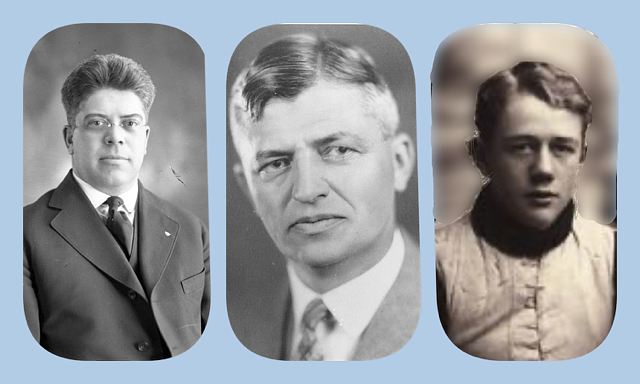
Members of the City Board of Health – The creation of a City Board of Health in December of 1918 placed the regulation of and response to the Spanish Flu epidemic in the hands of a City Board of Health. Heading the response was (Left) Dr. Alexander Barclay, who joined Mayor Claude H. Potts and Council President Robert H. Kercheval. Kerchaval’s photo was taken when he was part of Gonzaga University’s 1896 football team.
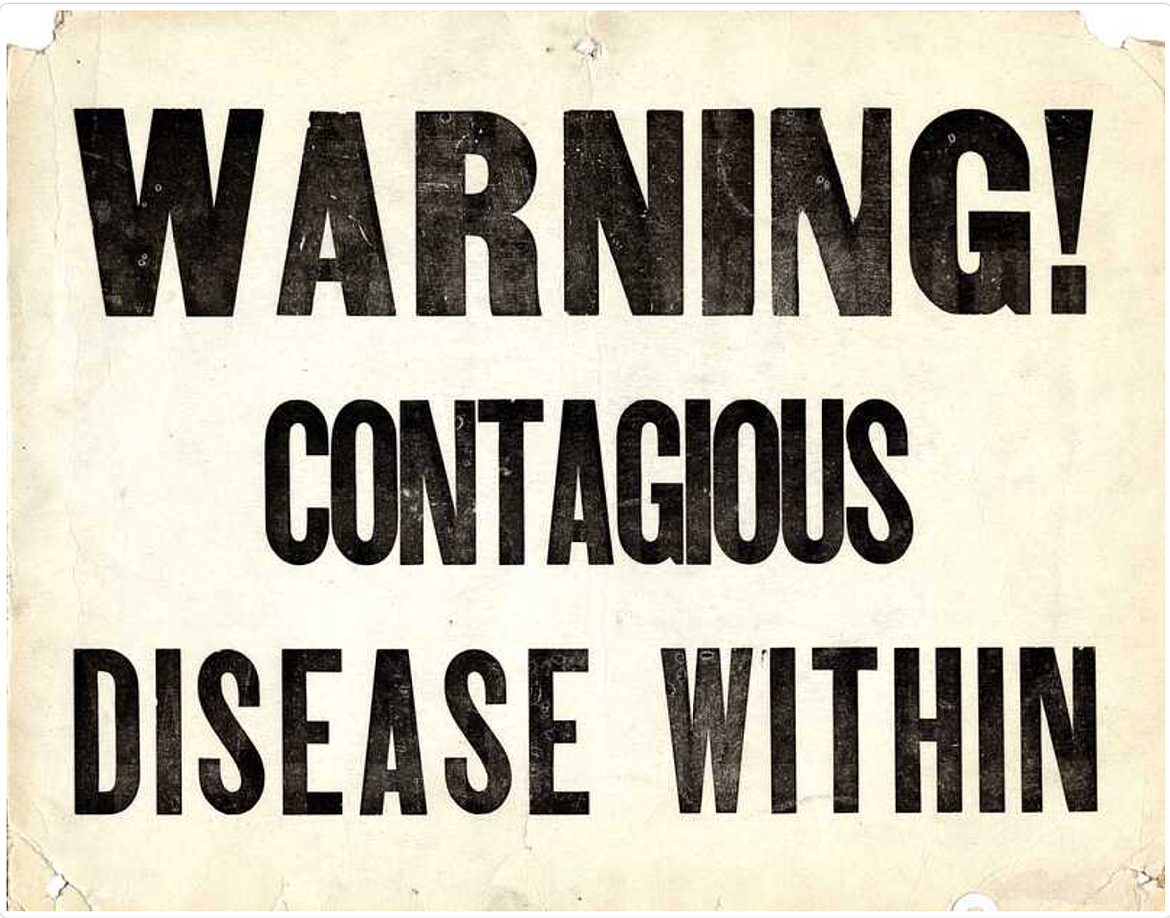
Quarantine Warning Sign – Although an example of Coeur d’Alene’s quarantine placards could not be found, an example of a similar sign was found in the University of Idaho photo archives. The signs were placed on all homes where a person or persons resided who had been diagnosed as having the Spanish Flu by the City Police Chief.
At the conclusion of Part 2 of “The Forgotten Pandemic Story,” the Idaho Board of Health lifted early Spanish Flu restrictions. Coeur d’Alene officials initially urged caution in making changes but ultimately joined the state rollback. All restrictions were withdrawn Nov. 22, 1918. Within two weeks, the removal of restrictions sparked a resurgence in flu and pneumonia cases as well as deaths. That is why, on Dec. 7, Mayor Claude H. Potts reinstated limits on most public gatherings but exempted church services, lodge meetings, and movie showings within city limits.
Three days later, on Potts’ recommendation, the City Council passed an ordinance creating a city board of health, a move some considered unlawful for competing with state and county boards.
Under the new ordinance, the board would have the authority to close schools, churches, theaters, any public assembly of people, or any other gathering of people when it was deemed the health of the city would be protected thereby. They gave power to the chief of police to enforce the quarantine of all individuals who exhibited symptoms of a dangerous, contagious, or infectious disease, as well as to levy fines ranging from $5 to $100 for violations of the ordinance. The three-member board was to be headed by a physician chosen by the City Council, Mayor Potts, and Council President Robert H. Kerchaval. On Dec. 8, the Coeur d’Alene School District trustees unanimously voted against reopening the schools. They postponed any return to the classroom until it was deemed that public health was sufficiently safeguarded.
On Dec. 13, Dr. Alexander Barclay became head of the Coeur d’Alene Health Board, which met that night to draft rules and regulations. It was noted that the board had received the full sanction of the county and state health boards. To remain on solid legal ground, however, all regulations the board generated had to be shared with and approved by the other two boards. The new city regulations restricted diagnosed individuals to their homes and tightened case reporting, requiring illness records be kept and quarantine placards placed on affected residences. Public gatherings in churches and theaters were permitted with enforced distancing to prevent crowding. The chief of police was empowered to arrest violators.
On New Year’s Eve, the Coeur d’Alene School Board met and unanimously voted to reopen the schools. The vote came after the trustees consulted with the City Health Board about rules for reopening. A trained nurse would screen the students for symptoms of the virus.
When the doors to the schools reopened Jan. 6, 1919, the numbers returning to the classroom were down. Sixty-five of the students were kept home the first day, with half of the elementary students kept. The nurse sent several students home who had flu symptoms to be quarantined as the day progressed.
The early days of 1919 saw a series of small spikes in flu quarantines, which were quickly followed by declines in cases reported. According to City Health Board Head Dr. Barclay, the newly reported cases were milder in form, and he noted that the record showed that the number of pneumonia cases was practically nil. Given the positive trend, the board of health pulled back the compulsory restrictions and fully restored the boundaries of freedom of assembly.
And just like that, the epidemic seemed to fade away. A coordinated effort based on reasonable public health rules and regulations had marginalized the disease, hastening an end to this crisis. And importantly, the community had learned lessons from the experience about what it would take to face future community health crises by working together for the common good.
 Members of the City Board of Health – The creation of a City Board of Health in December of 1918 placed the regulation of and response to the Spanish Flu epidemic in the hands of a City Board of Health. Heading the response was (Left) Dr. Alexander Barclay, who joined Mayor Claude H. Potts and Council President Robert H. Kercheval. Kerchaval’s photo was taken when he was part of Gonzaga University’s 1896 football team.
 Quarantine Warning Sign – Although an example of Coeur d’Alene’s quarantine placards could not be found, an example of a similar sign was found in the University of Idaho photo archives. The signs were placed on all homes where a person or persons resided who had been diagnosed as having the Spanish Flu by the City Police Chief.