
Why a cold-climate heat pump makes your old furnace obsolete
Amy Kang | Bonner County Daily Bee | UPDATED 11 hours, 24 minutes AGO
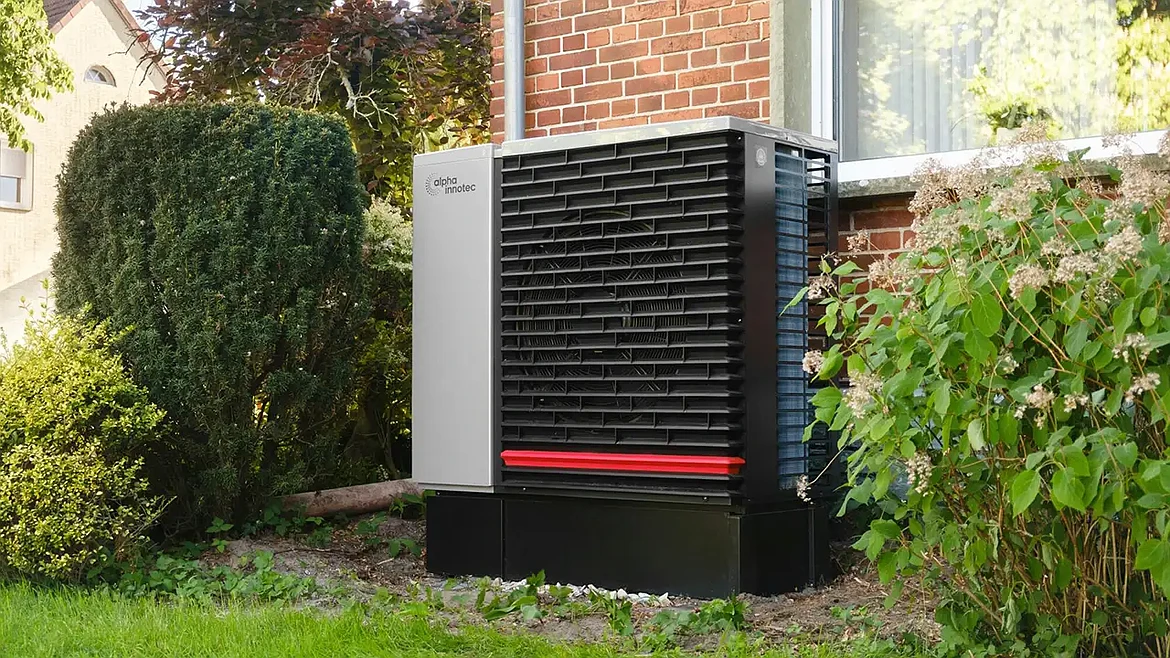
Most families have stopped using furnaces as their main heat source because a cold-climate heat pump remains effective even on the coldest nights. If your home is properly insulated and your heat pump is sized right, you don't need a furnace.
More homeowners are adopting this technology. According to RMI's heat pump market tracker, U.S. manufacturers shipped approximately 3.6 million heat pumps in 2025, outpacing furnace shipments by 12%. Since 2021, heat pumps have become more mainstream and have beaten furnaces in yearly sales.
Many people still think of older-generation heat pumps that barely blew warm air when temperatures dropped to 20 degrees. This bad reputation has made heat pumps seem unfit for colder weather. Older heat pumps also consumed a lot of power, which drove the bills up.
How Does a Cold-Climate Heat Pump Work in Freezing Weather?
Even when the air feels freezing, it still holds heat energy. This technology uses refrigerant to capture heat from outside; then the compressor heats the refrigerant, and it releases warm air.
Modern heat pumps have a few engineering upgrades:
- Compressors that can adjust their speed to meet outdoor conditions
- Defrost control that runs only when the coil needs it
- Refrigerant that can stay active in subzero temperatures
Altogether, this system provides needed heat from air below freezing. Researchers from the Department of Energy's Cold Climate Heat Pump Challenge designed units to perform at 5 degrees Fahrenheit and below. From 2022 to 2024, these units were used in actual homes, according to a January 2025 Pacific Northwest National Laboratory report.
Is a Heat Pump Better Than a Furnace?
The debate between a heat pump and a furnace comes down to how much warmth each produces. Furnaces burn fuel to produce heat, but heat pumps move warmth from outside to inside. Moving heat uses less energy than generating it. This allows a heat pump to generate up to 4 times the heating energy it uses in electricity.
A heat pump also provides other advantages that furnaces cannot offer:
- No need to track fuel level or book a refill
- Offers consistent temperatures
- Has central air conditioning from the same outdoor equipment
- No combustion inside your house
These features help you during both seasons.
What Is the Downside of a Heat Pump in Cold Weather?
Even with the most advanced equipment, the major shortcoming is reduced heating capacity in extreme cold. If your house is not well insulated, a heat pump may not be a good fit.
To handle extreme weather, most heat pumps include auxiliary heating. Electric resistance strips inside the indoor unit switch on automatically to add warmth. Although the strips work reliably, they use much more power than the heat pump itself.
Some homeowners keep their furnaces and use them instead of the strips. A dual-heating system lets the heat pump do most of the work, then switch to fuel in extreme cold weather.
How Much Does It Cost to Replace a Furnace With a Heat Pump?
HVAC replacement costs depend on your home's size, the existing ductwork, and whether you need to replace your electrical panel. Heat pumps cost more upfront than a furnace and air conditioner combined.
Over the system's lifespan, the higher upfront cost often pays back through lower operating costs. A 2024 Department of Energy analysis found that more than 90% of households would save on their energy bills by getting a heat pump. Households that used propane and fuel oil saw the biggest savings after switching to a heat pump.
Air sealing and insulation can lower the upfront cost. A well-insulated home loses heat slowly, so it needs a smaller heat pump, which costs less.
Your timing plays a major role in the decision. A heat pump replaces both the air conditioner and furnace. The best time is when both units are at the end of their service life. In hot climates where long cooling hours strain the AC system, a technician offering air conditioning and heating service in Gilbert, AZ, can help you decide.
Frequently Asked Questions
Does A Heat Pump Run During A Power Outage?
No. A heat pump does not run without electricity. Most people assume a gas or propane furnace will keep working, but newer models need power to run.
A licensed electrician can size a generator and install a transfer system so that heating systems can run safely during an outage.
Can a Heat Pump Heat a Home Without Ductwork?
Yes, ductless mini-split heat pumps deliver warmth directly into living spaces through slim, wall-mounted units. A single outdoor unit often powers several heads so that you can heat several rooms with no ducts. Cold climate versions are available for areas with harsh conditions.
How Long Does a Heat Pump Last?
With proper maintenance, most heat pumps last 10 to 15 years. Year-round use for heating and cooling puts more strain on the system, which adds to wear.
Why Does Steam Come Off the Outdoor Unit in Winter?
Steam is usually a harmless sign that the heat pump is defrosting its outdoor coil. The system pauses heating to clear built-up frost. If your unit is encased in ice for a while, call the technician.
Can a Heat Pump Work Alongside a Wood Stove?
Yes, a wood stove and a heat pump can work well together. If you place your thermostat closer to the stove, it may read your home temperature as warmer than it is. Mounting the thermostat on an interior wall in a central hallway, away from the stove's radiant heat, keeps the heat pump responding to the temperature in the rest of the home.
Matching the Heating System to the Climate
For many households, a cold-climate heat pump now handles most heating, with furnaces reserved for extreme conditions as an add-on. Your system depends on how well your house holds heat, fuel costs, and how much risk a household accepts during prolonged freezes. Working with a qualified installer helps match the equipment to the home.
Want to know what's happening near you? Explore our site for trusted coverage and stories that matter in your area.
This article was prepared by an independent contributor which helps us continue delivering quality content to our audiences.