
Editorial: A better response for people in crisis
Daily Inter Lake | Daily Inter-Lake | UPDATED 12 hours, 16 minutes AGO
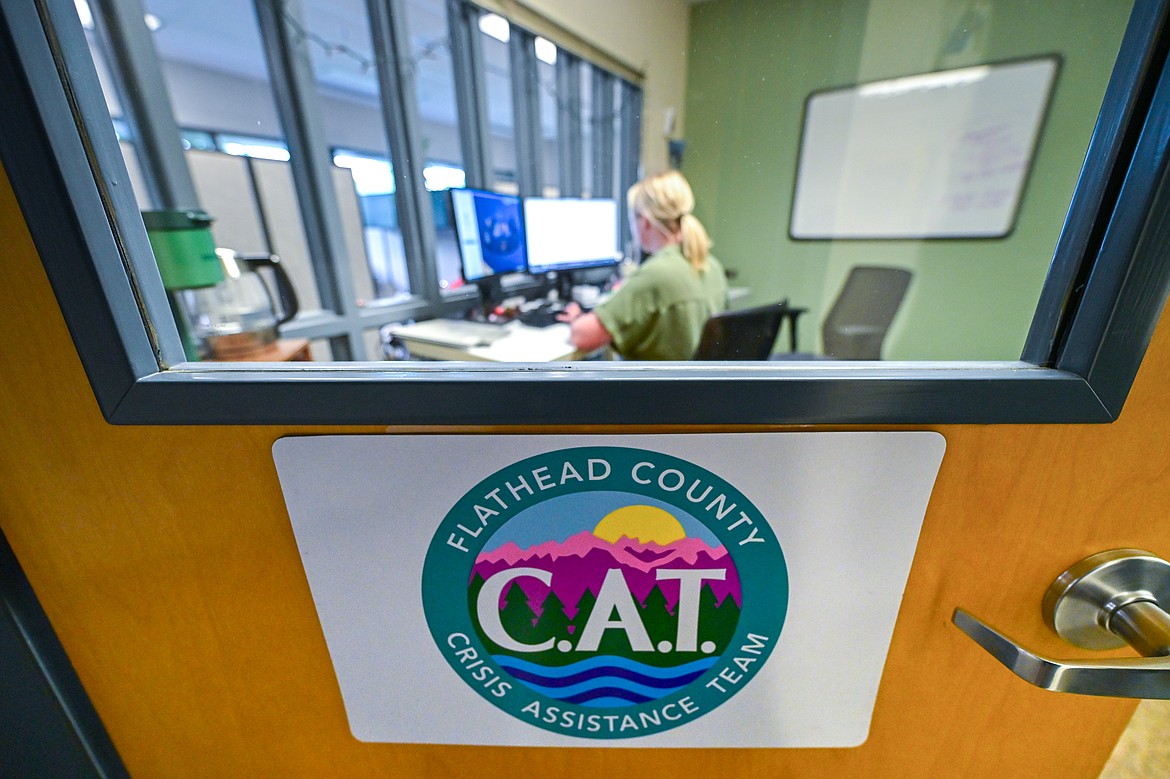
Personnel inside the Flathead County Crisis Assistance Team offices at the Flathead City-County Health Department on Tuesday, June 10. (Casey Kreider/Daily Inter Lake)
Casey Kreider
Emergencies don’t adhere to a schedule. Just ask any firefighter or police officer working the night shift. When a call comes in, they respond, no matter the hour, no matter the situation.
But the call for help is not always a public safety, fire or medical incident. Quite often, the request is related to mental health or addiction, scenarios that are best suited for specifically trained professionals.
But due to funding constraints, crisis response providers aren’t always available. Officers and EMTs are left to manage these scenarios, slowing response times to other emergencies while individuals facing a crisis potentially miss the care needed to keep themselves and others safe.
Thankfully, relief is on the way. A sizable federal grant headed to Flathead County will help close a critical gap in the community’s crisis response system.
The county’s Crisis Assistance Team, consisting of two clinicians and three care coordinators, currently takes calls daily between 10 a.m. and 10 p.m. The incoming $2.5 million grant will allow the team to expand its staff, with the goal of providing 24/7 availability.
Expanded hours will allow law enforcement and other first responders to focus on public safety while trained clinicians respond to mental health and substance abuse crises. Instead of ending in an emergency room or jail cell, many situations can be resolved through de-escalation, communication and coordinated care.
Last year, the crisis team handled more than 1,400 calls, drastically reducing the number of people arrested or taken to the hospital.
“Having the Crisis Assistance Team significantly reduces the amount of time our officers spend on situations that are not law enforcement related and is a resource that better meets the needs of those in crisis,” said Kalispell Police Patrol Capt. Chad Fetveit.
The grant is coming from the Substance Abuse and Mental Health Services Administration over the next four years. The money offers a vital opportunity for this service to reach its fullest potential.
But what happens after the final payment is made?
County leaders can’t wait four years to answer that question. Emergency and public safety professionals have been clear: They need the crisis team’s assistance around the clock. Now is the time to start planning for sustainable funding so this invaluable public service is met with the same regard as our community’s other first responders and lasts far beyond the next four years.