
Rising together: Bigfork High students champion youth mental health
ELSA ERICKSEN | Hagadone News Network | UPDATED 2 weeks, 5 days AGO
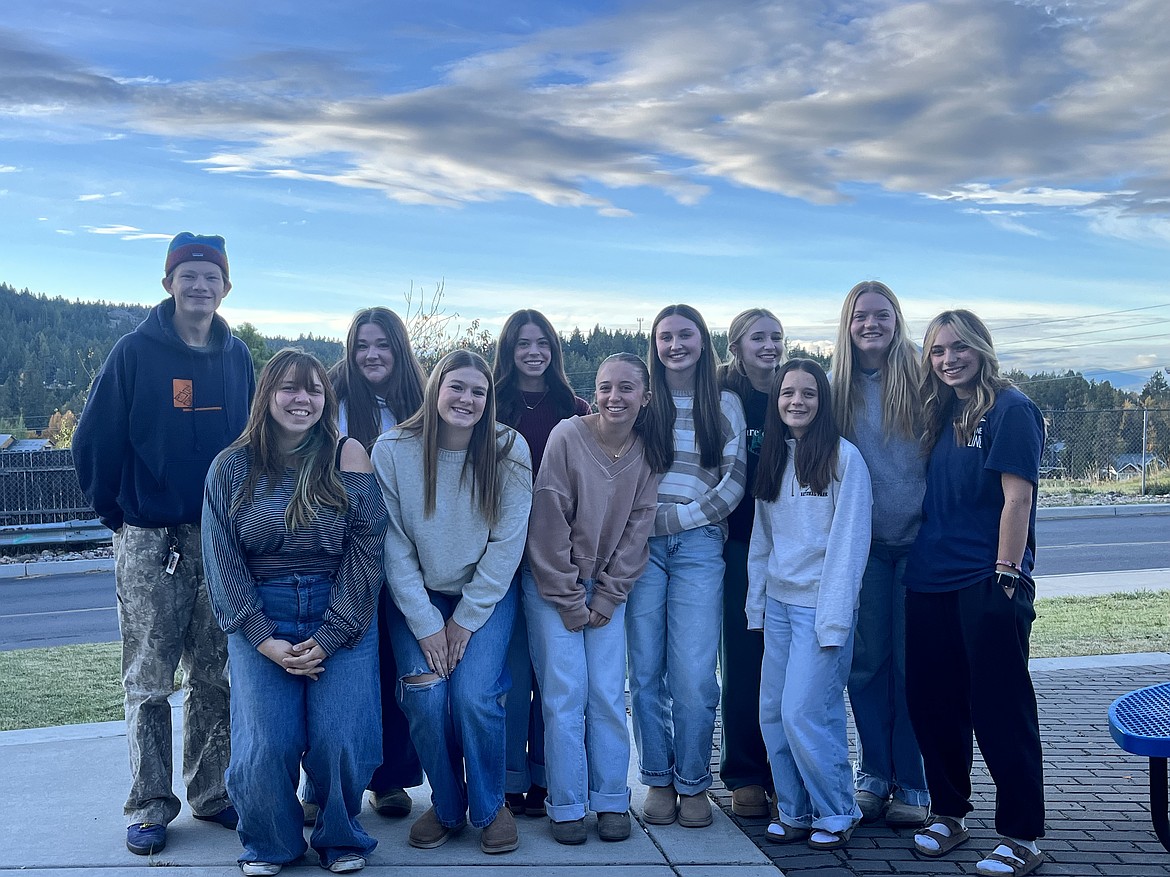
Members of the Bigfork High School's RISE Club at a morning meeting. (Courtesy Emily Wisman)
When Emily Wisman first walked through the doors at Bigfork High School as a freshman, she felt very alone. Funneled in from Swan River School, she didn’t have many friends to help her navigate the transition to life in high school.
But halfway through her first year, a senior asked Wisman if she would be interested in joining RISE, a club dedicated to mental and physical wellness.
“I went, and I fell in love with wanting to be a safe space for people. That was pretty much my thing,” Wisman said.
“I never want another person to feel as alone as I did, so that’s when I took initiative.”
RISE, which stands for Resilience, Integrity, Service and Equality, is a student-run committee that is focused on the challenges impacting youth mental health and suicide prevention awareness. It’s one of many such clubs at high schools around the Flathead Valley that formed in the wake of several suicide clusters in 2021.
With guidance from the Nate Chute Foundation, students asked themselves how they were going to help prevent such a tragedy from happening again.
“In so many schools, we as adults try to do stuff, but when it comes from the students, it’s more directed toward student needs,” Meghan Voss said. “They’re the ones who actually know what their peers need.”
Voss is the school-based education manager at the Nate Chute Foundation and leads the high school clubs like RISE. She hosts quarterly consortium meetings for the clubs, where students from different high schools can collaborate and talk about what’s working, and troubleshoot the things that aren’t.
At the first consortium meeting that Wisman attended as a freshman, there were just three students there to represent Bigfork. The students who led the club were passionate about the mission but struggling to gain traction. And yet, at those early consortium meetings, Wisman saw through other high schools how the club at her own school could really make a difference.
Wisman was still in middle school when the suicide clusters occurred, but her life has been shaped by the mental health crisis impacting teens. She was just 13 when a friend reached out to confess suicidal thoughts.
“That was a big turning point for me,” Wisman said. “I didn’t even know she was struggling until she brought it to my attention. I want people to know that it’s OK to struggle, but that doesn’t mean you don’t belong. The world is better with you in it.”
Montana has consistently ranked among the top five states for suicide rates for the last 30 years, for all age groups, according to statistics from the Montana Department of Public Health and Human Services. The youth suicide rate for those aged 11 to 17 is consistently three times that of the national average.
In Bigfork, Wisman said, that statistic has impacted the community in a deep way. In recent years, there were suicides that rocked the high school and the community at large.
“It needs to be brought to attention, especially in high school,” Wisman said. “It’s not talked about. Kids joke, kids make fun of other kids, kids bully kids, and they don’t ever really see what the side effects are or how bad it can injure a person. It feels like it’s not taken very seriously, especially among teenagers. So that’s what our group does: we raise awareness, showing how you can get help. Don’t be afraid to reach out, call, talk to someone.”
Determined to be part of the solution to the problem she saw lurking in the shadows of her community, Wisman turned her attention to the RISE club with the same tenacity that propelled her through advanced placement classes and varsity athletics. Along with Otto Schurke and Madison Shaw, she approached club advisor Solveig Munson about restructuring the group to increase its impact.
They added officer positions, with Wisman as president, Schurke as vice president and Shaw as secretary. They scheduled more frequent morning meetings, planned events during the school day and started a social media account for educational outreach.
In the two years since, the number of students who regularly participate has increased from just a handful to more than 15, which means the club is able to dream bigger when it comes to programming and outreach.
Wisman is most proud of the Point Positive board that the group has organized. It’s a bulletin outside of the counseling office that highlights students who aren’t typically recognized for their accomplishments. Athletics and academics are celebrated, Wisman said, but there are students excelling in other extracurriculars who deserve just as much recognition. The board is meant to make sure the students who are involved in rodeo or 4-H or hunting or internships are acknowledged for their hard work as well.
Voss said she’s been impressed with how successful the board has been. When they first launched the idea, the number of submissions could be counted on one hand, but this year there were more than 30.
Each month, the group highlights a different wellness topic: beat the blues (seasonal depression), beat the flus (sickness) and beat the black and blues (driving safely in the winter). With help from the Bigfork Rotary Club, they purchased T-shirts that say “You Are Enough” and appoint seniors and leaders in different activities to wear the shirts each month.
The club has also sourced yellow ribbons and bracelets for students to wear during September, which is suicide prevention month. They bought yellow socks for athletic teams to wear, and this fall, the volleyball, football, soccer and cross-country teams all sported the socks to support their community.
And then there are other activities during the school day, like painting rocks or hosting dance parties at lunch time during the winter to beat seasonal depression.
“It doesn't make all the problems go away, but it's a really good organization,” Munson said. “We’ve been really focusing on school culture and trying to make people feel seen at school and help them know they’re not alone.”
“When the adults see what the students are doing, I think it opens their eyes to how much good is going on,” Voss added. “They help to decrease the stigma of it, because when we talk about wellness, suicide prevention is mental wellness. So they’re getting upstream of it and creating these safe spaces and taking the fear and the stigma out of mental health awareness.”
At Bigfork High School, Wisman is confident that RISE is making a difference because of that upstream effect. Her classmates, she’s realized, want to feel connected to the place they go to school every day and to the people they see around them, and RISE is facilitating those connections.
Reporter Elsa Ericksen can be reached at 406-758-4459 or [email protected]. If you value local journalism, pledge your support at dailyinterlake.com/support.
ARTICLES BY ELSA ERICKSEN

A walk in the (floral) park
The Floral Park Traverse, or the Hidden Lake Route from Logan Pass to Sperry Chalet as Edwards called it, traverses some 20 miles from Logan Pass to Lake McDonald Lodge, gaining 4,000 feet and then dropping 7,000.

Tensions flare as Lakeside grants water usage to development
The major change to the agreement was to reduce the amount of water allocated to Territory 1889.

Lakeside pauses out-of-district sewer hookups
With much of its excess capacity committed to future development projects, the Lakeside County Water and Sewer District board of directors voted last week to place a temporary moratorium on the annexation of new properties into the district for sewer hookups.