
OUR GEM: New research will examine zinc’s role in Coeur d’Alene Lake
Lindsey Beacham, Idaho Water Resources Institute | Coeur d'Alene Press | UPDATED 9 hours, 35 minutes AGO
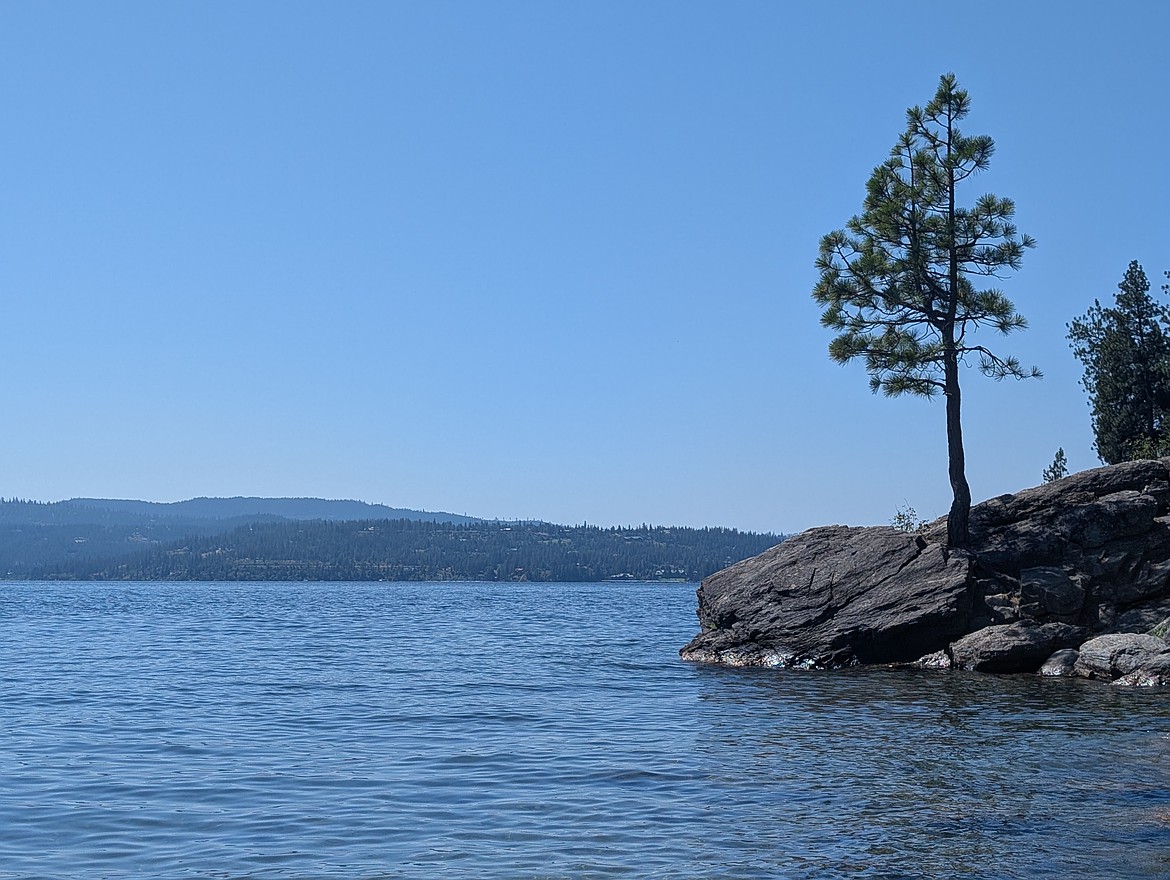
Photo via Our Gem.
Understanding Coeur d’Alene Lake’s health means looking beyond nutrient and metal concentrations in the water to see how they interact with each other and the ecosystem. A newly funded University of Idaho research project will examine that distinction for zinc, helping lake managers better understand its effects on algae and what those effects could mean as mining cleanup continues.
The project is led by University of Idaho researchers Jeff Langman and Eric Aston. It is part of a new slate of research supported by the Idaho Water Resources Research Institute (IWRRI) to address water-quality, drought, snow-monitoring and flood-risk challenges across Idaho.
The work addresses an important question: Are decades of mining cleanup changing zinc’s influence on algae growth in the way researchers and managers have long assumed? The researchers will test a chemistry model that estimates how much of the total zinc in Coeur d’Alene Lake is available in a form that affects algae.
Rather than relying on total zinc measurements alone, the model aims to help managers connect those measurements to ecological effects. By evaluating how accurately the model predicts the amount of zinc available to affect algae, Langman and Aston will clarify how changes in metal conditions relate to the lake’s biological processes.
For lake managers, the goal is practical. A tested model could provide a more reliable way to interpret zinc measurements and incorporate their ecological significance into the lake’s existing management model. That information would clarify how cleanup efforts and changing nutrient and metal conditions interact.
The Coeur d’Alene Lake project reflects IWRRI’s broader emphasis on research that helps communities make informed water-management decisions. Established in 1964, IWRRI conducts research and shares information to support water-resource needs in Idaho and the Northwest, with an emphasis on making findings accessible to water managers and the public.
For the upcoming year, IWRRI has selected two projects to continue from the previous year and nine new projects. Researchers from the University of Idaho, Boise State University and Idaho State University will contribute to the work. IWRRI’s Research Advisory Committee identified and ranked statewide research needs, and the institute’s Executive Board gave final approval.
Several projects share the Coeur d’Alene Lake study’s focus on turning complex water-quality information into useful guidance. One continuing University of Idaho project will examine roughly 20 years of groundwater data to identify changing arsenic levels and improve access to Idaho’s broader water-quality data. The project “Water Quality Impacts of Fire at the Wildland-Urban Interface”, led by researchers at Boise State and Idaho State universities, will measure sediment, nutrients and E. coli moving downstream from the 2026 Claremont Fire burn area. The study will help guide restoration and assess post-fire water-quality risks. Together, these studies ask not only what is happening in Idaho’s waters, but also how research can help communities and agencies respond.
Water supply is another major focus of this year’s selections. A Drought Working Group spanning all three universities will examine the causes and effects of the 2026 drought, document how water users responded and identify monitoring gaps. The group will produce a statewide assessment and public-facing information ahead of the spring 2027 water-supply outlook.
Other projects will test satellite radar to measure water stored in mountain snowpack, develop easier-to-use snow-cover visualization tools, and evaluate how well Idaho’s snow-monitoring stations represent surrounding terrain. Researchers will also work directly with Eastern Snake Plain Aquifer water users to develop irrigation-planning tools and create detailed flood maps for 10 high-hazard dams in southeastern Idaho.
These projects address different places and challenges but share a common purpose: giving Idaho water users and communities information they can put to work. Knowledge gained from a study in one area of Idaho may apply to another, such as a study examining wildfire's effects on water quality.
For Coeur d’Alene Lake, that starts with a focused question about zinc. The answer could help managers better interpret the lake’s changing chemistry and make more informed decisions about its long-term health.
Read more about each funded project at https://iwrri.uidaho.edu/funded-idaho-water-research-2026/.
Learn more about the Our Gem Collaborative at uidaho.edu/OurGem.