
Quincy council to weigh kratom ban, regulations after divided public input
NANCE BESTON | Hagadone News Network | UPDATED 2 hours, 10 minutes AGO

The Quincy City Council is expected to continue conversations at Tuesday night's meeting regarding whether to ban, regulate or do nothing regarding kratom access within city limits. The council received mixed feedback from the community at its Oct. 20 meeting with some in favor of regulations and others strongly opposed.
FILE PHOTO
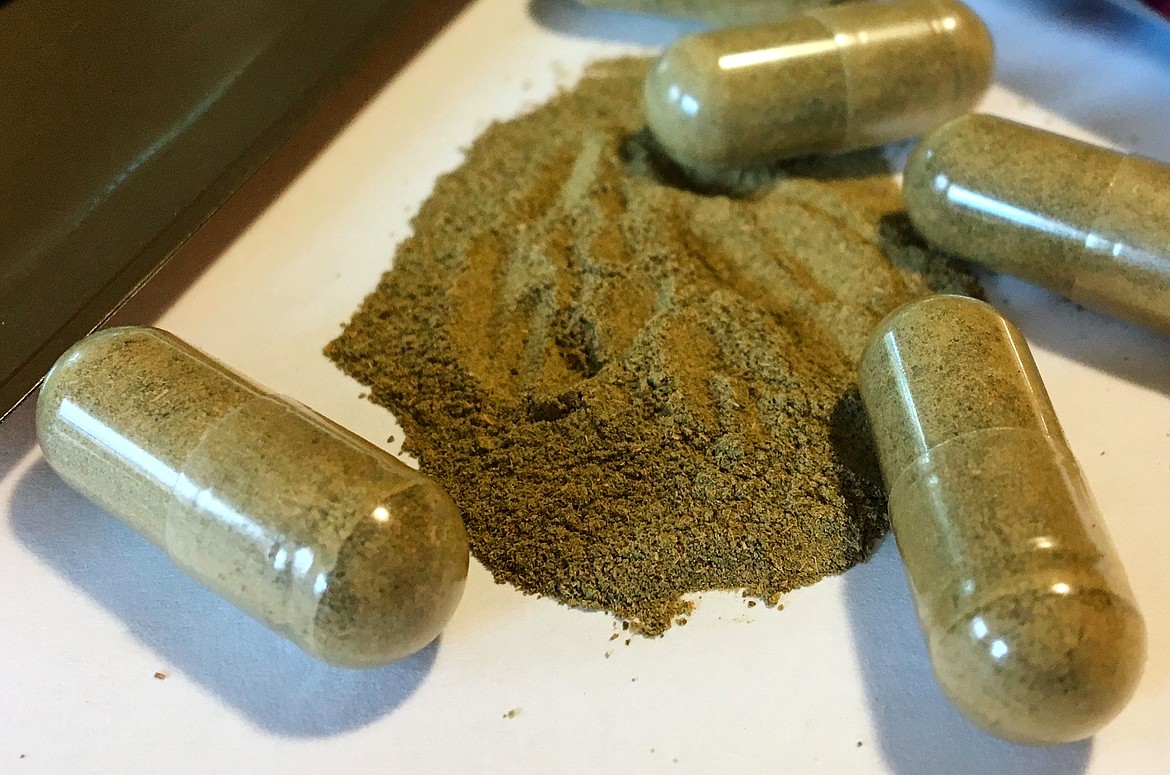
The Quincy City Council is set to continue discussions around kratom and potentially banning or regulating the substance within city limits. Across Grant County there have been full bans in Warden, Ephrata, Royal City, George, Mattawa and unincorporated areas of the county. The City of Moses Lake regulated the substance, making it illegal for those under the age of 21 to purchase.
QUINCY — The Quincy City Council is expected to continue discussions Tuesday on whether to ban kratom products within city limits or pursue regulations such as age restrictions, following a public hearing earlier this month that revealed support for both approaches.
Council members are scheduled to deliberate the issue during their Oct. 20 meeting and provide direction to staff on how to proceed. According to agenda documents, no ordinance is currently before the council. Instead, the discussion is intended to help determine whether staff should prepare a proposal involving a full ban or a regulatory framework.
The debate comes as communities across Grant County continue to take action on kratom, a product derived from the leaves of the Mitragyna speciosa tree. Cities including Warden, Ephrata, George, Mattawa and Royal City, along with unincorporated areas of the county, have adopted bans on the sale and distribution of kratom products. Moses Lake, meanwhile, opted this summer to restrict sales to individuals 21 and older rather than prohibit the products outright. Othello, located in neighboring Adams County, also approved a ban.
City Administrator Joe Harris said the issue first came before the council following a presentation from the Grant County Health District.
“It was a presentation by the health district to the city council,” Harris said. “The health district's presentation was to let the city know what was going on ... and if I recall correctly, the health district was recommending that the city consider some sort of regulation or ban.”
At the Oct. 6 public hearing, city staff said the discussion stems from that recommendation and from concerns about health risks and the lack of state and federal regulation of kratom products.
“We are here with the initiative of the Grant County Health District,” City Clerk Stephanie Borman told council members. “The understanding was that council wanted to set a public hearing to seek public testimony to determine which direction to go and to give the public input.”
According to Borman, the city received nine written comments before the hearing. Six favored regulations over a complete ban, one opposed a ban and two supported a ban.
The only person to testify in person was Rodney Schwint, a Quincy resident and kratom advocate who said the product dramatically improved his quality of life after years of chronic pain.
“I was a slave to pain,” Schwint said. “Kratom allowed me to become way more active and to live a normal life. Where before, I was sitting on the couch, feeling sorry for myself.”
Schwint told council members he supports restrictions on concentrated products containing 7-hydroxymitragynine, often referred to as 7-OH, but opposed a blanket ban on traditional kratom products.
“If you guys are going to ban it, I think the only people that you would hurt are the people that it helps,” he said.
The hearing also highlighted questions about how regulations could be enforced.
Councilmember Dave Dormier asked how the city would distinguish between traditional kratom products and products containing synthetic or concentrated compounds if regulations were adopted instead of a ban.
Police Chief Ryan Green said the city currently lacks the expertise needed to make those determinations.
“Currently there's no formal training on any of that,” Green said. “We don't have any state training that's going to go in there and identify.”
Council members also raised concerns that a local ban may not prevent residents from obtaining kratom elsewhere.
“We have a moratorium on marijuana shops in town, but somebody can go buy marijuana somewhere else and bring it into town and use it freely,” Dormier said. “There's no regulation on that, so if we ban trade and sale here to go along with what Grant County did, people could still purchase it online and have Amazon deliver it.”
Several council members voiced support for regulation during the discussion.
“I would be in favor of regulation as opposed to banning it,” Councilmember Josie Ferguson said. “I don't feel the city should tell somebody what they can and can't do. It can be regulated, though, for 20 or 21 and older.”
Councilmember Jeff Spence expressed a similar view.
“I'll back you up on that one too, because I believe somebody who's 21, they can make their own choices and decide what they want to put in their body,” Spence said. “We can try to protect the children in town, but as we find out, they can still get anything they want anywhere, anytime.”
Harris said city staff's role is to collect public input and present it to elected officials rather than advocate for a particular outcome.
“The city staff's function in that for the public hearing piece is just to compile that information and make sure that council gets it so that council can make the decision,” Harris said. “At the end of the day, it's a policy decision, so it's going to be up to council to decide what they want to do.”
Should the council direct staff to draft an ordinance or resolution, Harris said, the process would involve legal review and additional public steps before any restrictions could take effect.
“It's not like council is going to pass it on Tuesday, and we're going to adopt it and enforce it on Wednesday,” Harris said. “There's a statutory process that we have to follow to enact ordinances and resolutions.”
For residents who want to weigh in, Harris encouraged participation in city council meetings.
“I think the council is the best approach, just because they're the policymakers,” he said. “They're always interested in hearing what their constituents have to say.”
No action was taken following the Oct. 6 hearing.
Tuesday's discussion is expected to focus on whether council wants staff to draft a ban ordinance similar to those adopted elsewhere in Grant County or develop regulatory options, potentially including age restrictions and other controls on sales.
The meeting begins at 7 p.m. at Quincy City Hall.
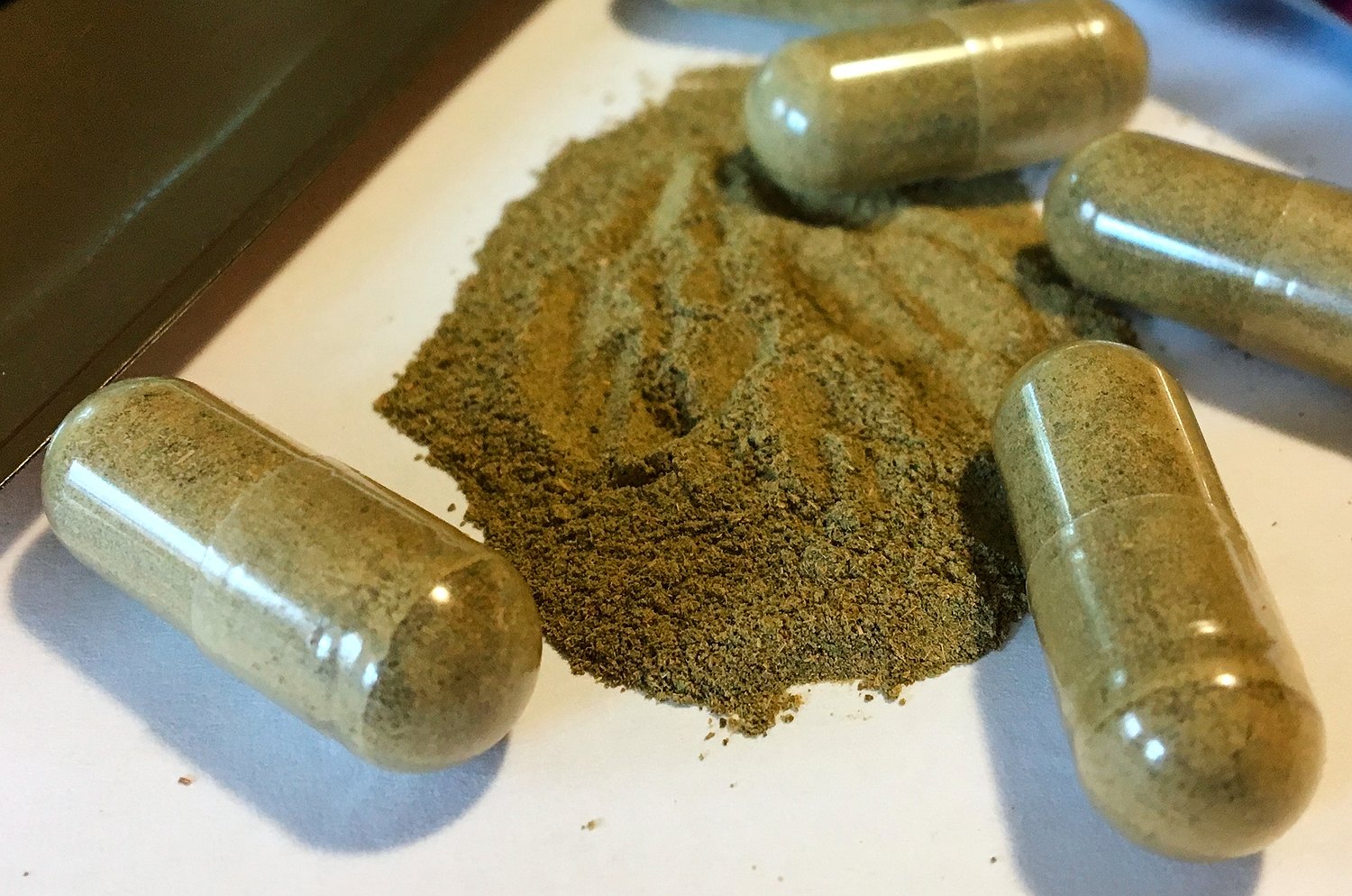 The Quincy City Council is set to continue discussions around kratom and potentially banning or regulating the substance within city limits. Across Grant County there have been full bans in Warden, Ephrata, Royal City, George, Mattawa and unincorporated areas of the county. The City of Moses Lake regulated the substance, making it illegal for those under the age of 21 to purchase.
ARTICLES BY NANCE BESTON

Quincy council to weigh kratom ban, regulations after divided public input
QUINCY — The Quincy City Council is expected to continue discussions Tuesday on whether to ban kratom products within city limits or pursue regulations such as age restrictions, following a public hearing earlier this month that revealed support for both approaches.
Graffiti investigation leads to drug seizure in Adams County
OTHELLO — A vehicle seized during an Adams County graffiti investigation earlier this month contained suspected cocaine, methamphetamine, ammunition and evidence consistent with drug distribution, according to the Adams County Sheriff's Office.
Gas prices ease slightly in Washington, lower prices predicted in 2027
MOSES LAKE — Gasoline prices continue to edge lower in Washington state, Grant County and Adams County, offering motorists modest relief after reaching record highs earlier this year. However, fuel costs remain significantly higher than the national average as global oil market disruptions and tight diesel supplies continue to influence prices. According to AAA data, Washington's average price for a gallon of regular unleaded gasoline stood at $5.39 on Oct. 19, down 6 cents from a week ago and 17 cents lower than a month ago. The statewide average remains nearly a dollar higher than the national average of $4.30 per gallon.