
A snapshot in time: Volunteer pilot helps residents look at a treasured resource from a new angle
HAILEY SMALLEY | Hagadone News Network | UPDATED 14 hours, 43 minutes AGO
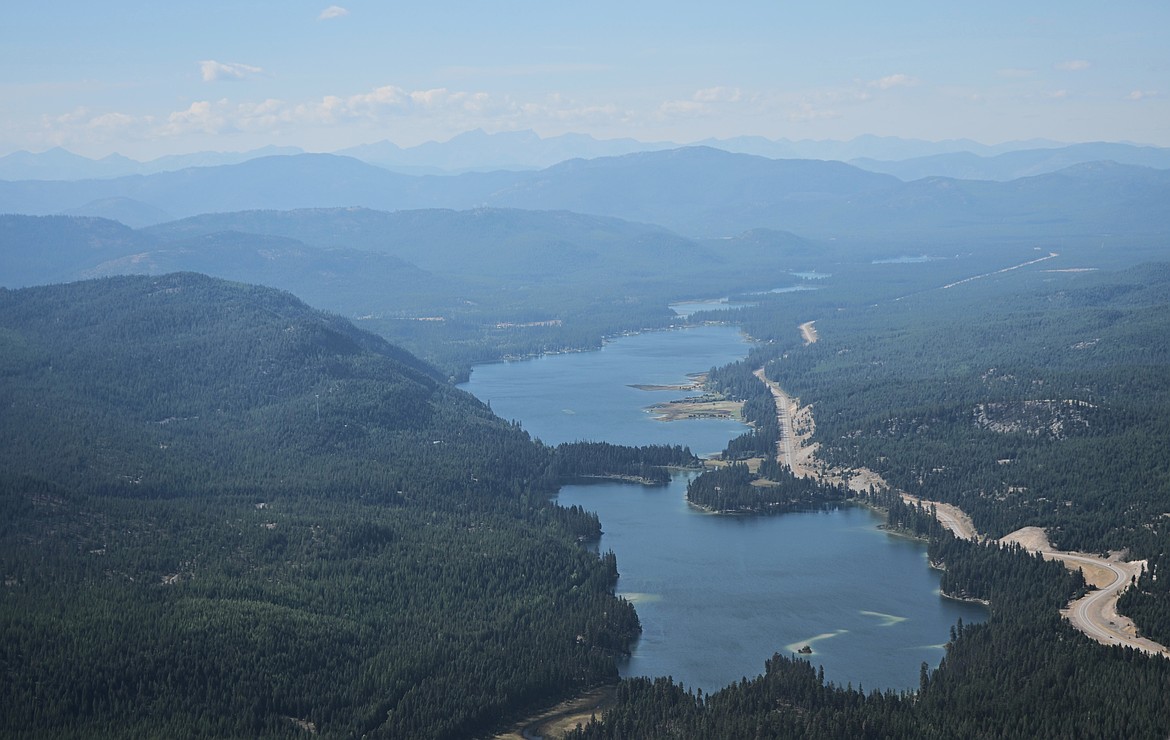
Pilot Gary Matson approaches the Thompson chain of lakes on Sep. 8, 2026. Aerial support provided by LightHawk.(Hailey Smalley/Daily Inter Lake)
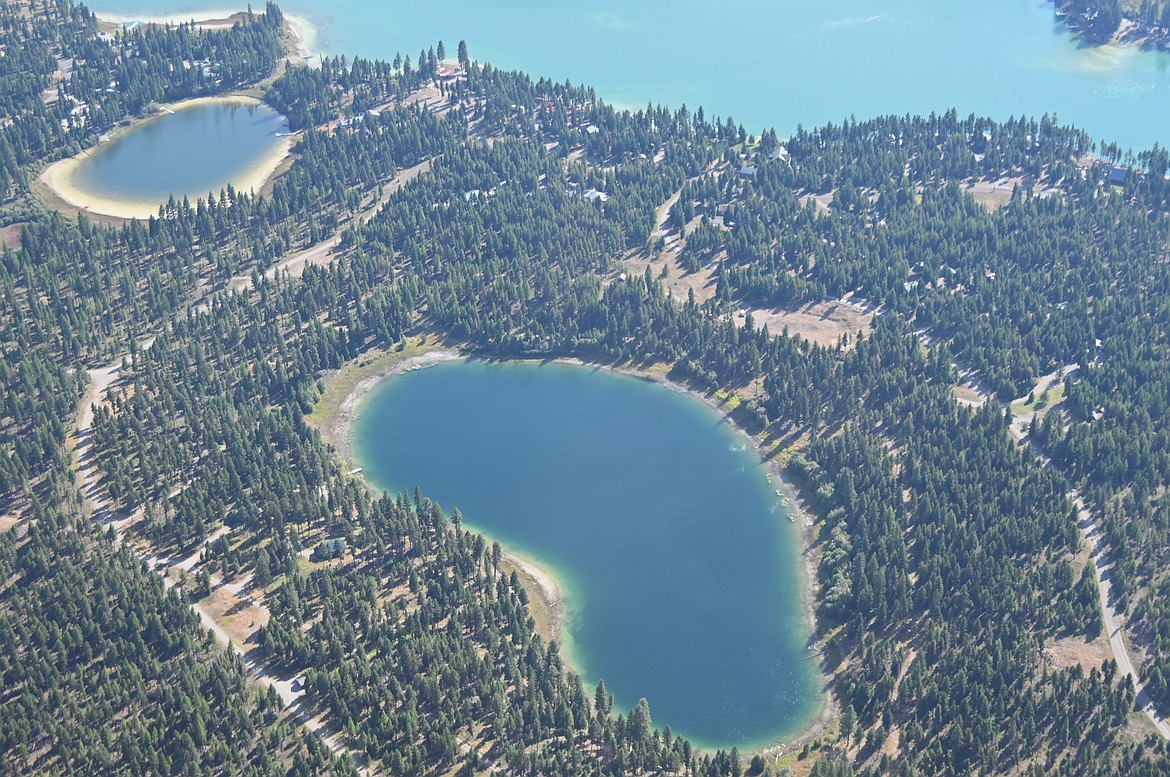
Pilot Gary Matson flies over Rainbow Lake, center, and Upper Thompson Lake, top, on Sep. 8, 2026. Aerial support provided by LightHawk.(Hailey Smalley/Daily Inter Lake)
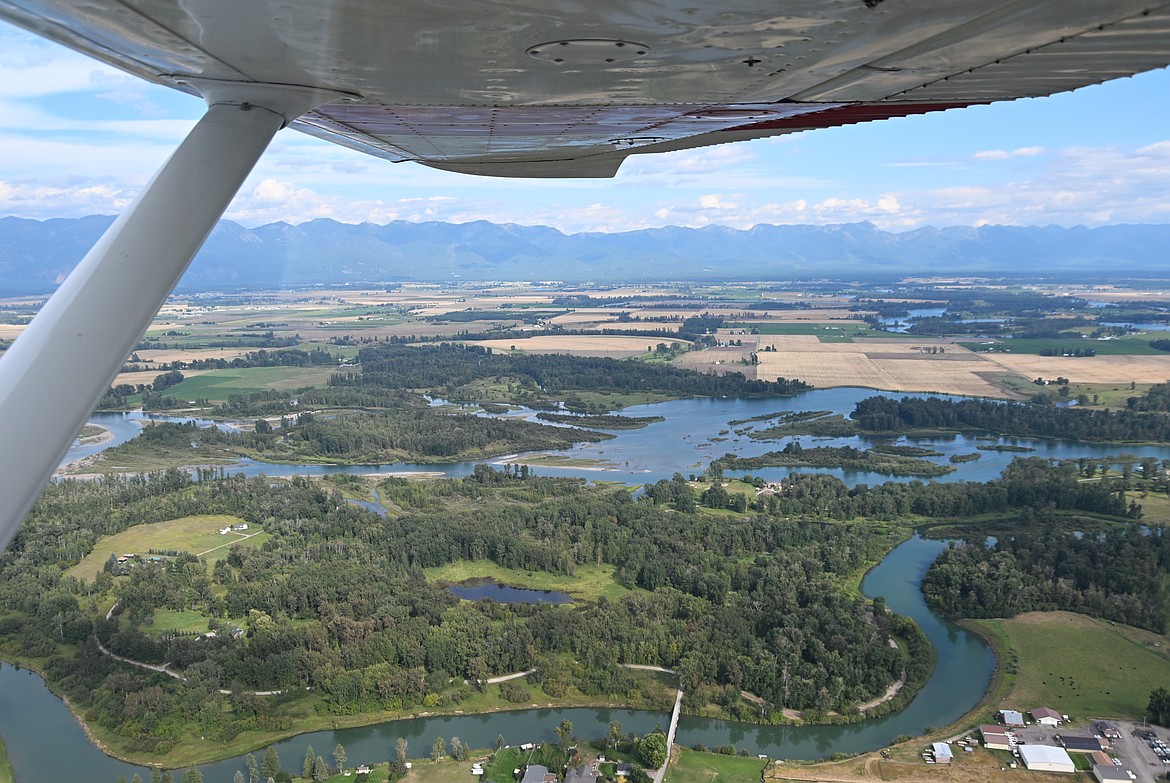
Pilot Gary Matson flies over the Flathead River on Sep. 8, 2026. Aerial support provided by LightHawk.(Hailey Smalley/Daily Inter Lake)
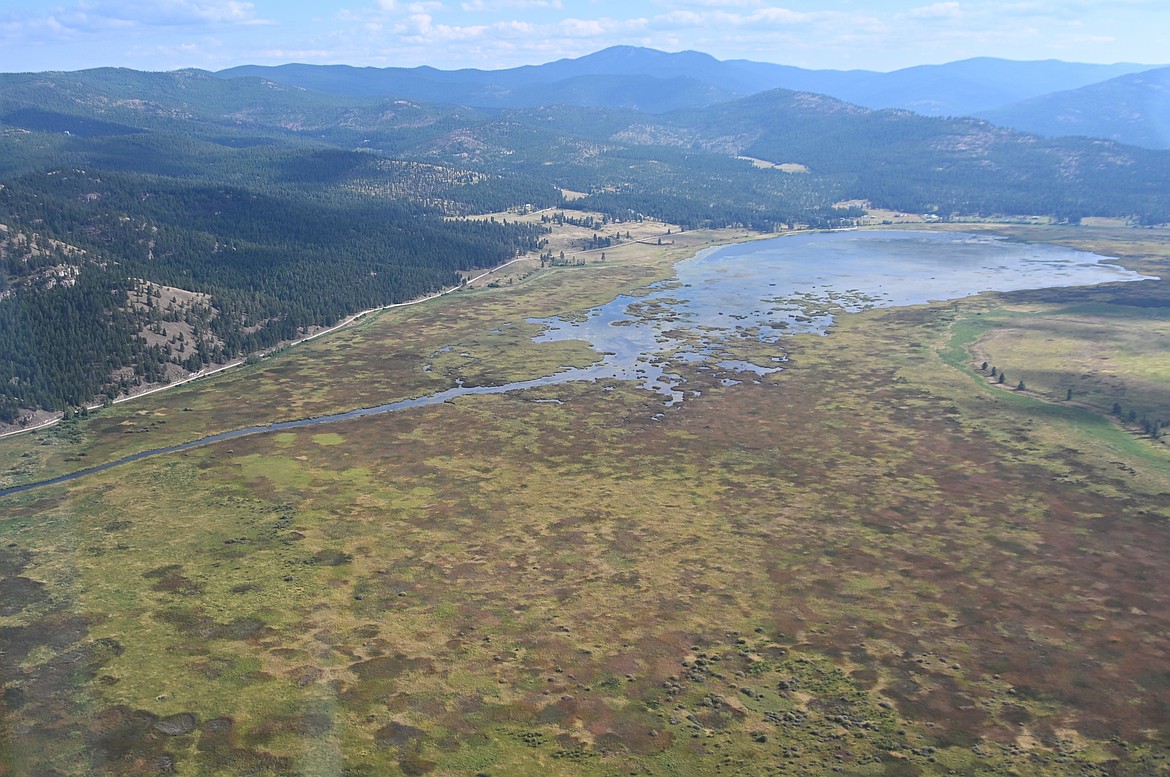
Pilot Gary Matson flies over Smith Lake on Sep. 8, 2026. Aerial support provided by LightHawk.(Hailey Smalley/Daily Inter Lake)
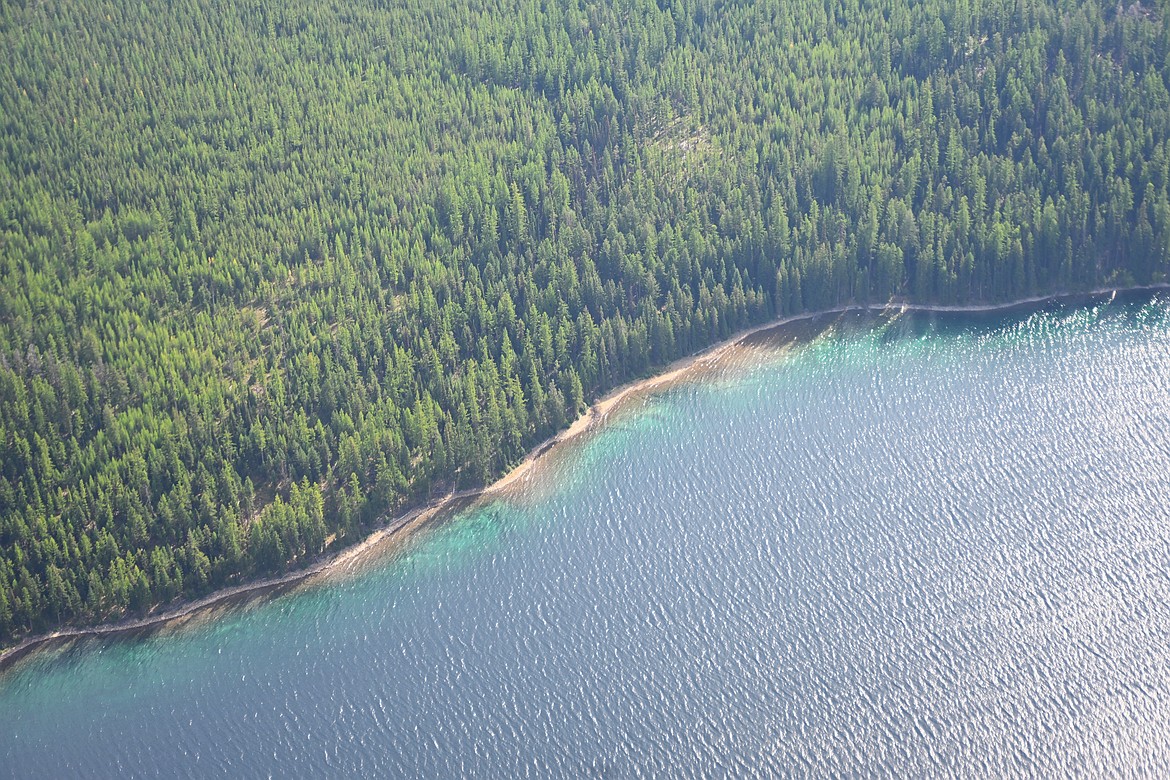
Pilot Gary Matson flies over the shoreline of Lower Thompson Lake on Sep. 8, 2026. Aerial support provided by LightHawk.(Hailey Smalley/Daily Inter Lake)
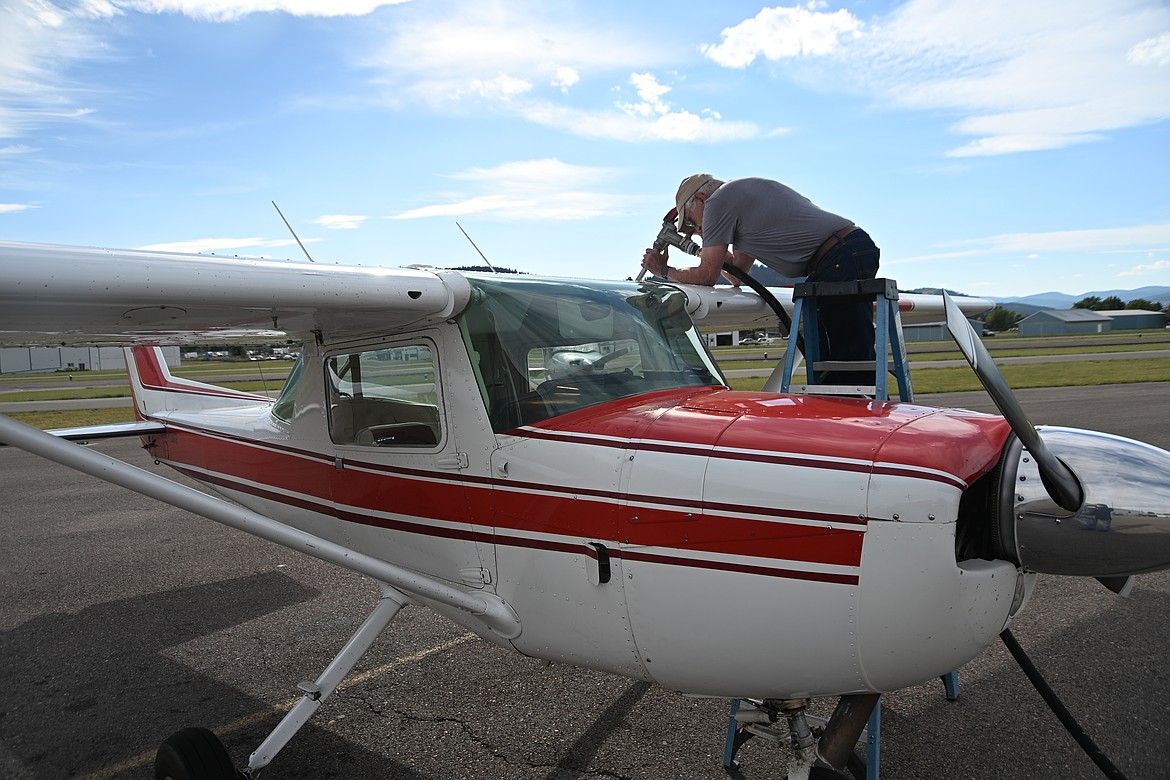
Pilot Gary Matson refuels following a flight over the Thompson chain of lakes on Sep. 8, 2026. (Hailey Smalley/Daily Inter Lake)
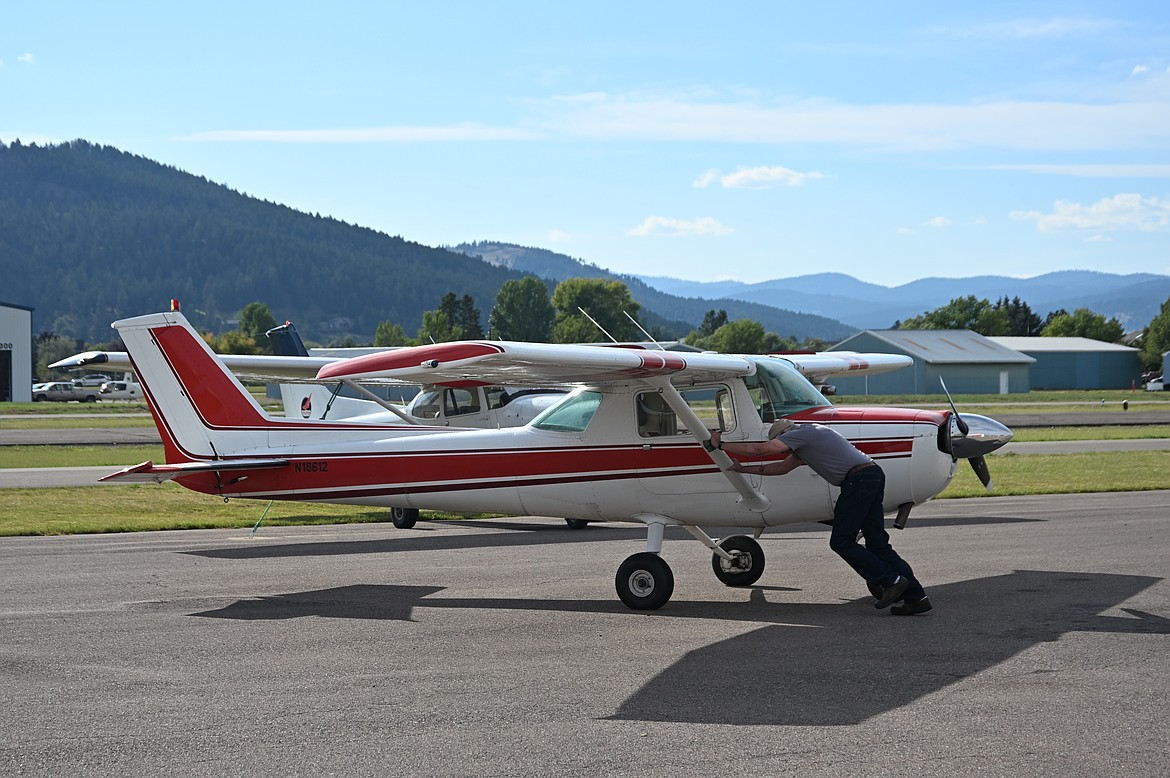
Pilot Gary Matson pushes his plane across the tarmac at Kalispell City Airport on Sep. 8, 2026. (Hailey Smalley/Daily Inter Lake)
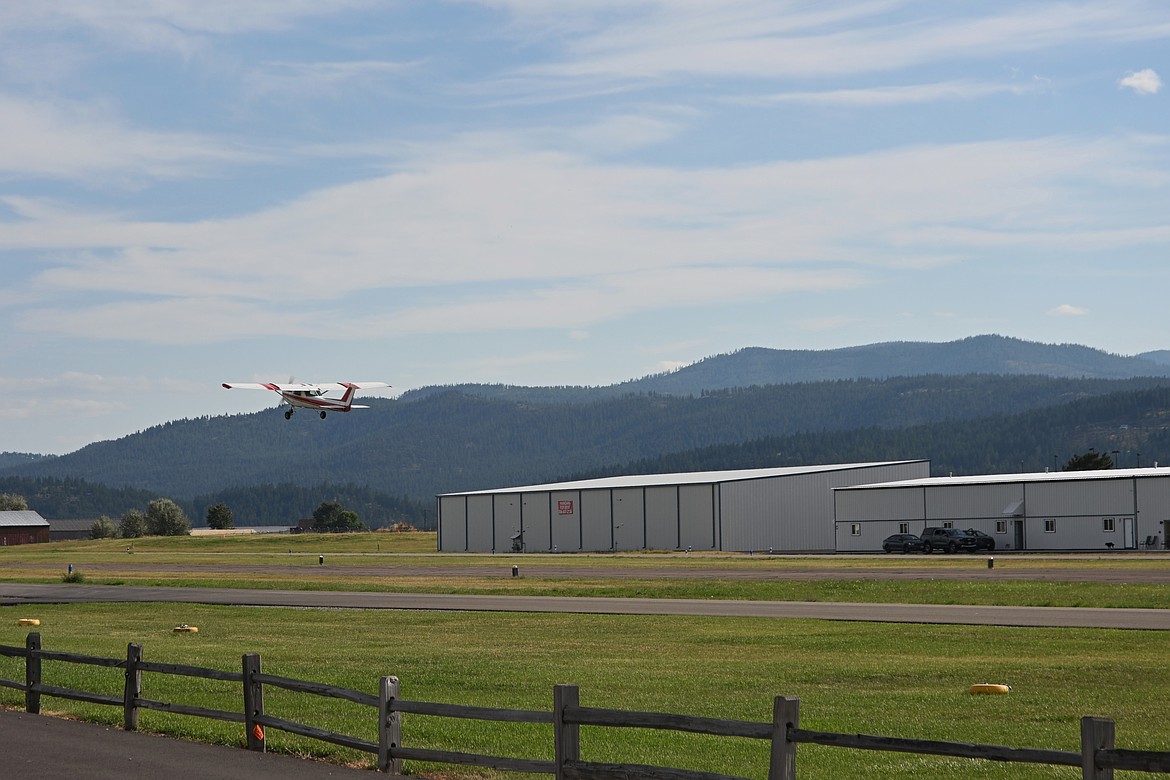
Pilot Gary Matson takes off from Kalispell City Airport on Sep. 8, 2026. (Hailey Smalley/Daily Inter Lake)
High above the forests of northwestern Montana, a 50-year-old, two-seat propeller plane bounced and skipped along the air currents like a rock across water. The rhythm vacillated from smooth to gut-wrenching as winds buffeted the tiny aircraft west, past Blacktail Mountain and Littler Bitterroot Lake.
Pilot Gary Matson, 84, never flinched.
"This plane is like me," he said. "Old, simple and dependable."
Matson started flying as a hobby in 1999 and has since voyaged across the country in his Cessna 150. Lately, the Missoula resident has invested his aviation talents in trips closer to home, with the goal of assisting researchers and land managers in conservation-related initiatives.
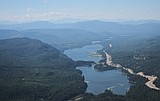
A recent flight would take him across the Thompson chain of lakes, a 20-mile stretch of glacially carved tarns between Kalispell and Libby. Photographs taken during the flight will form a visual touchstone, documenting the transformations the lakes undergo in a period of unprecedented development pressures and ongoing climatic disruptions.
"We're hoping a picture is a thousand words," Thompson Chain of Lakes Coalition Chair Karen Wickersham said. "We want to be proactive just to show the changes."
Formed in 2022, the grassroots nonprofit advocates for the conservation of water quantity and quality in the Thompson chain of lakes. Many of the approximately 150 members, including Wickersham, have lived and recreated on the lakes for decades.
A Libby native, Wickersham grew up visiting the lakes in the heat of summer. She and her husband purchased their cabin in a crook of Crystal Lake in the 1980s.
In the past few years, she has seen substantial shifts in the condition of many of the lakes that make up the Thompson chain. In 2025, an algae bloom was documented on McGregor Lake for the first time, and Wickersham estimated that the shoreline outside her own cabin receded some 25 feet farther than what she had long considered normal. The well that had reliably supplied her cabin with water for decades suddenly dried up, as did the wells of about a dozen neighbors.
"It seemed like somebody pulled the plug," she said.
Plenty of neighbors echoed Wickersham's observations of shifting lake conditions, but hard data and records were nearly impossible to come by. The coalition turned to LightHawk, an organization that coordinates volunteer pilots for conservation-related initiatives for help to create a reference.
Wickersham also plans to share the photos taken during the flight with a hydrogeologist, in the hopes that the images will provide insights into the ways that both ground and surface water influence the lakes.
On Sep. 9, Matson took advantage of a rare break in the looming cloud cover. Taking off from the Kalispell City Airport, he wove his way west along U.S. 2. The houses on the outskirts of Kalispell and Foys Lake gave way to rolling mountainsides of timber.
Then, they appeared. The 18 lakes making up the Thompson chain hung like hunks of turquoise along the tread of highway below, the waters a kaleidoscopic splice of green-blue hues. Upper Thompson Lake glimmered a uniform azure color in the afternoon sun. Farther up the chain, the waters of Loon Lake plunged deep and dark as a starless sky. The shallows of Crystal Lake spawned swirls of sea-glass green amidst cerulean depths.
The disparate colors are representative of the unique hydrological systems that underlie the formation of each lake. Some are fed by creeks that swell with snowmelt each spring. Others rely on underground springs that bubble beneath the lakebed.
It's an intricate system that geologists and hydrologists are just beginning to understand, and one that takes on new meaning when viewed through a panoramic lens.
Reporter Hailey Smalley can be reached at 406-758-4433 or [email protected]. If you value local journalism, pledge your support at dailyinterlake.com/support.
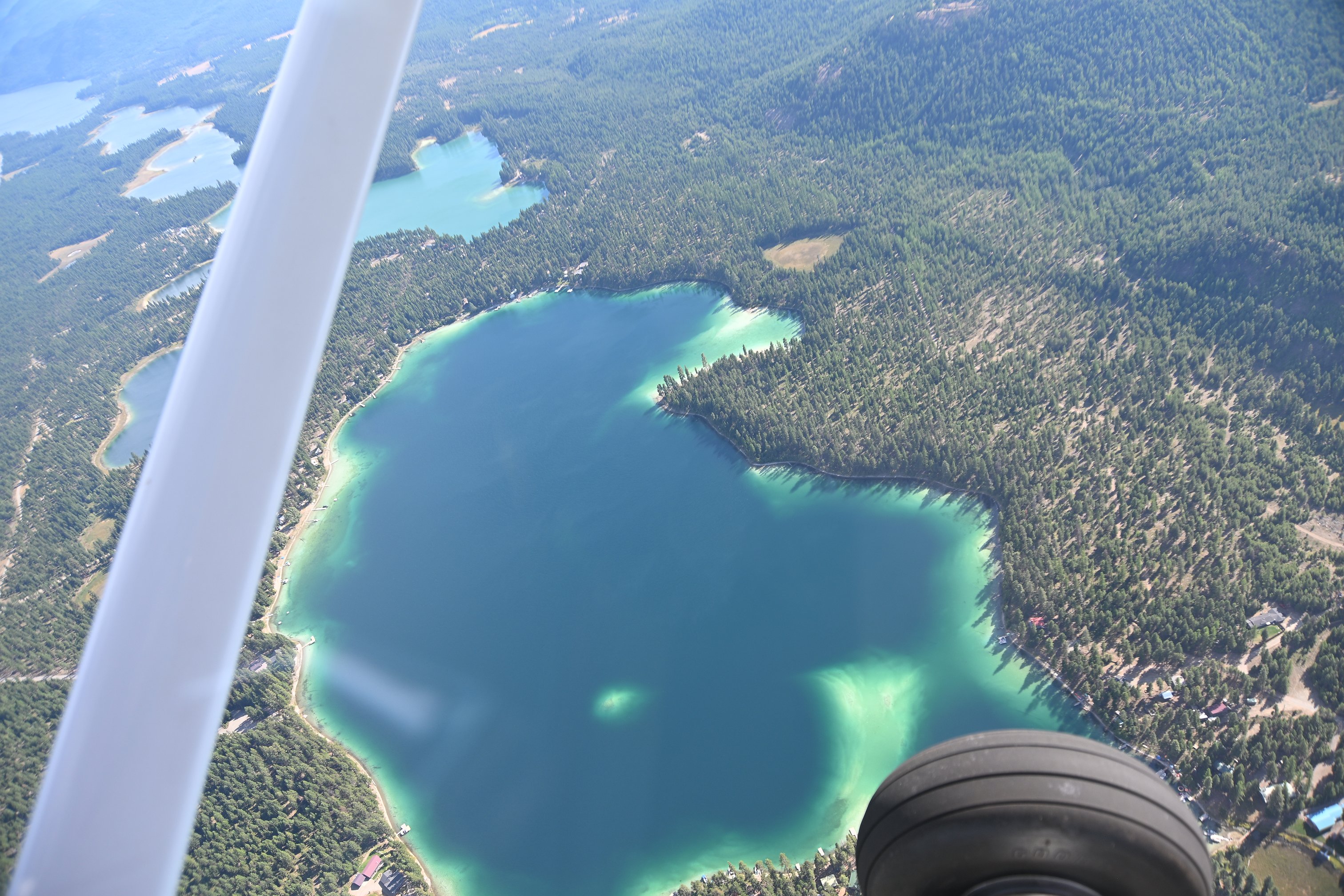 Gary Matson flies over Crystal Lake on Sep. 8, 2026. Aerial support provided by LightHawk.(Hailey Smalley/Daily Inter Lake)
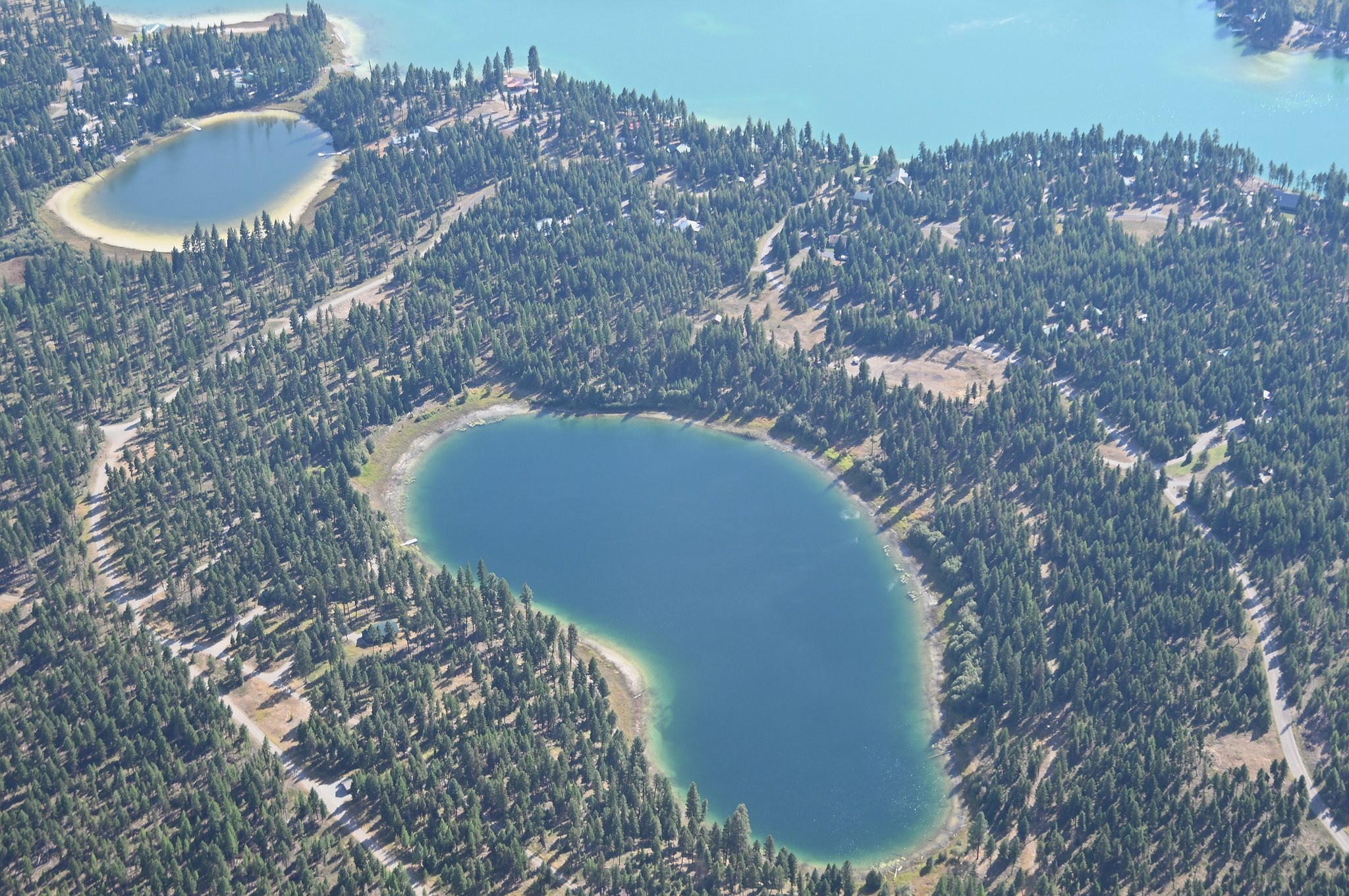 Pilot Gary Matson flies over Rainbow Lake, center, and Upper Thompson Lake, top, on Sep. 8, 2026. Aerial support provided by LightHawk.(Hailey Smalley/Daily Inter Lake)
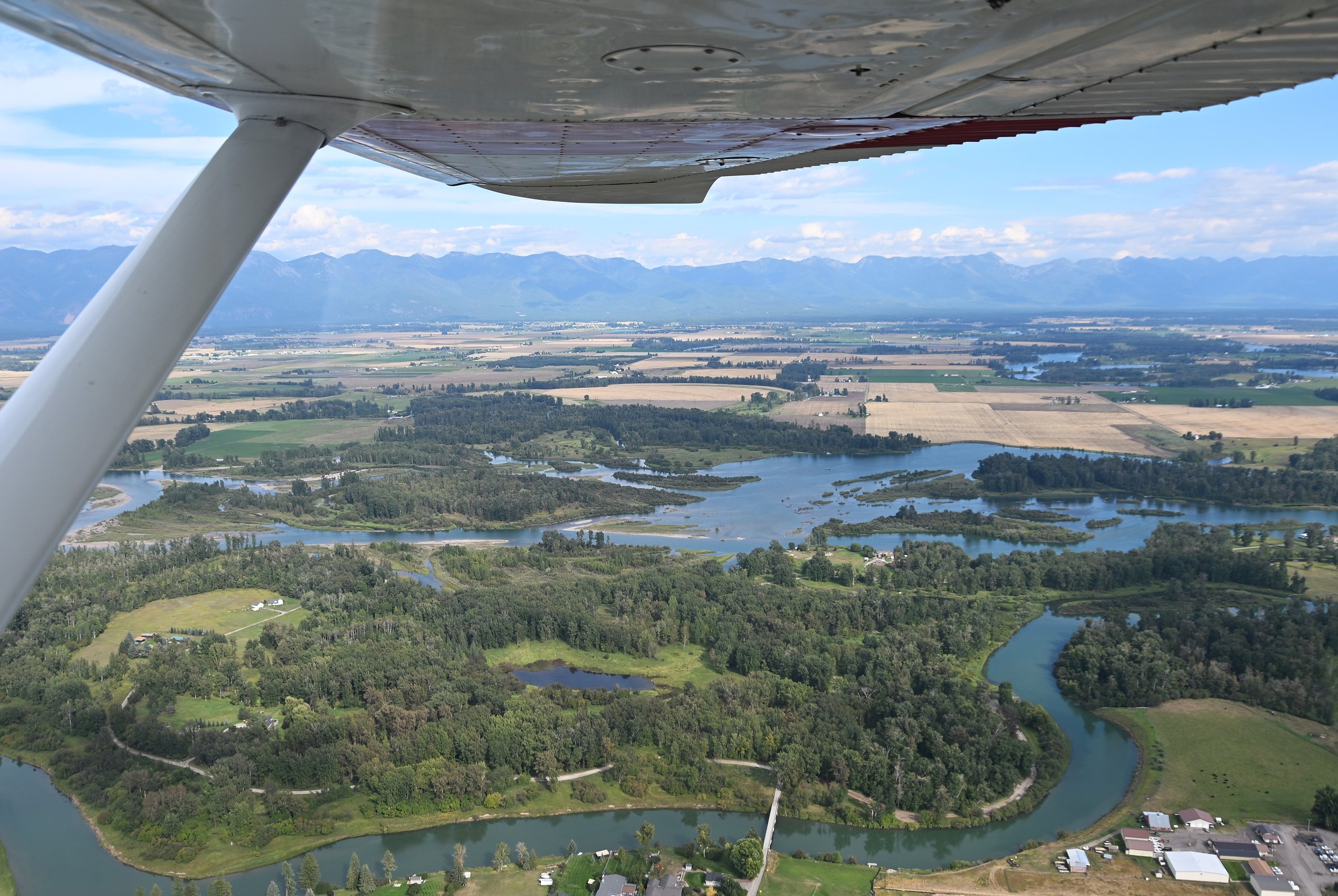 Pilot Gary Matson flies over the Flathead River on Sep. 8, 2026. Aerial support provided by LightHawk.(Hailey Smalley/Daily Inter Lake)
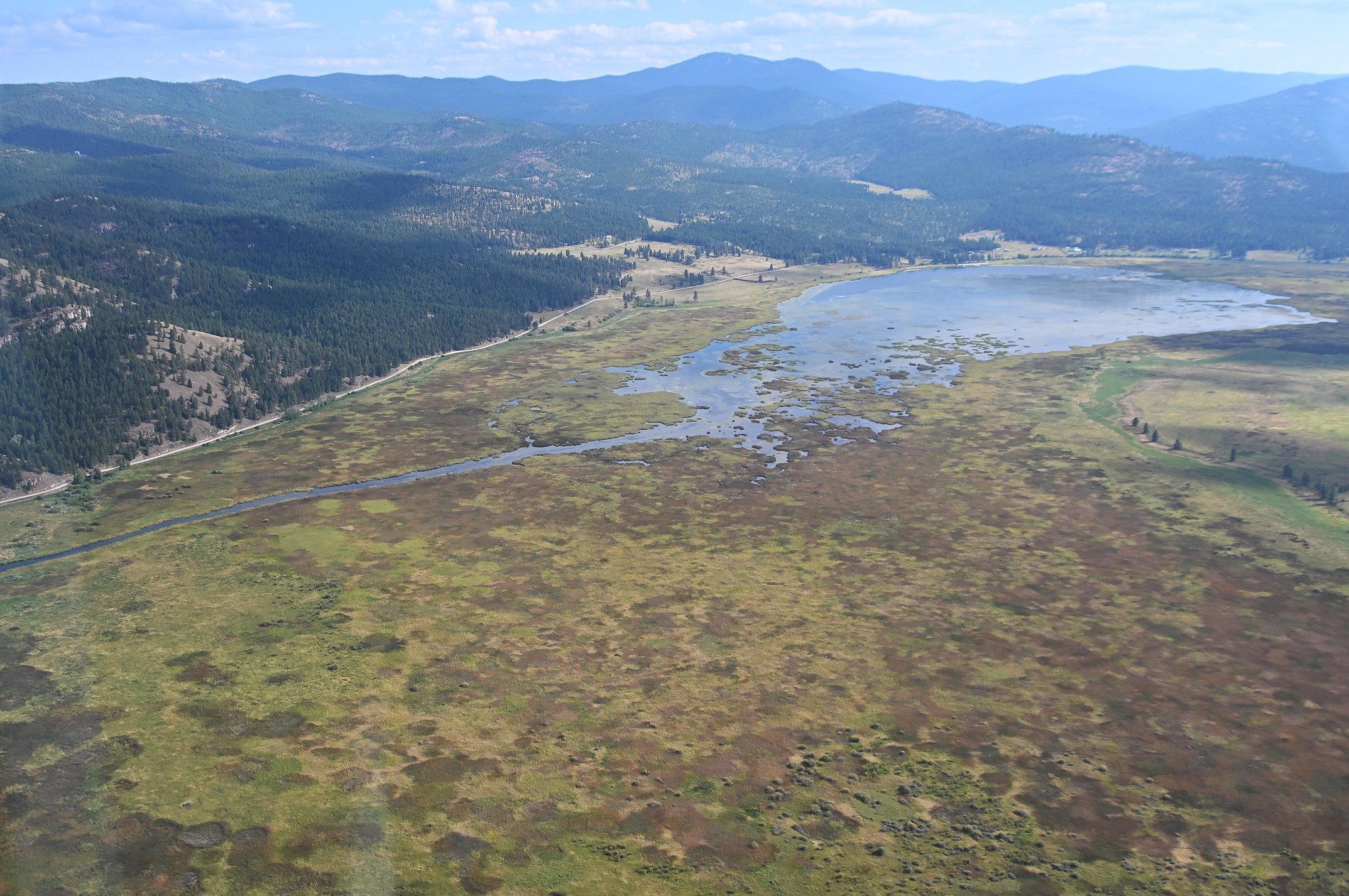 Pilot Gary Matson flies over Smith Lake on Sep. 8, 2026. Aerial support provided by LightHawk.(Hailey Smalley/Daily Inter Lake)
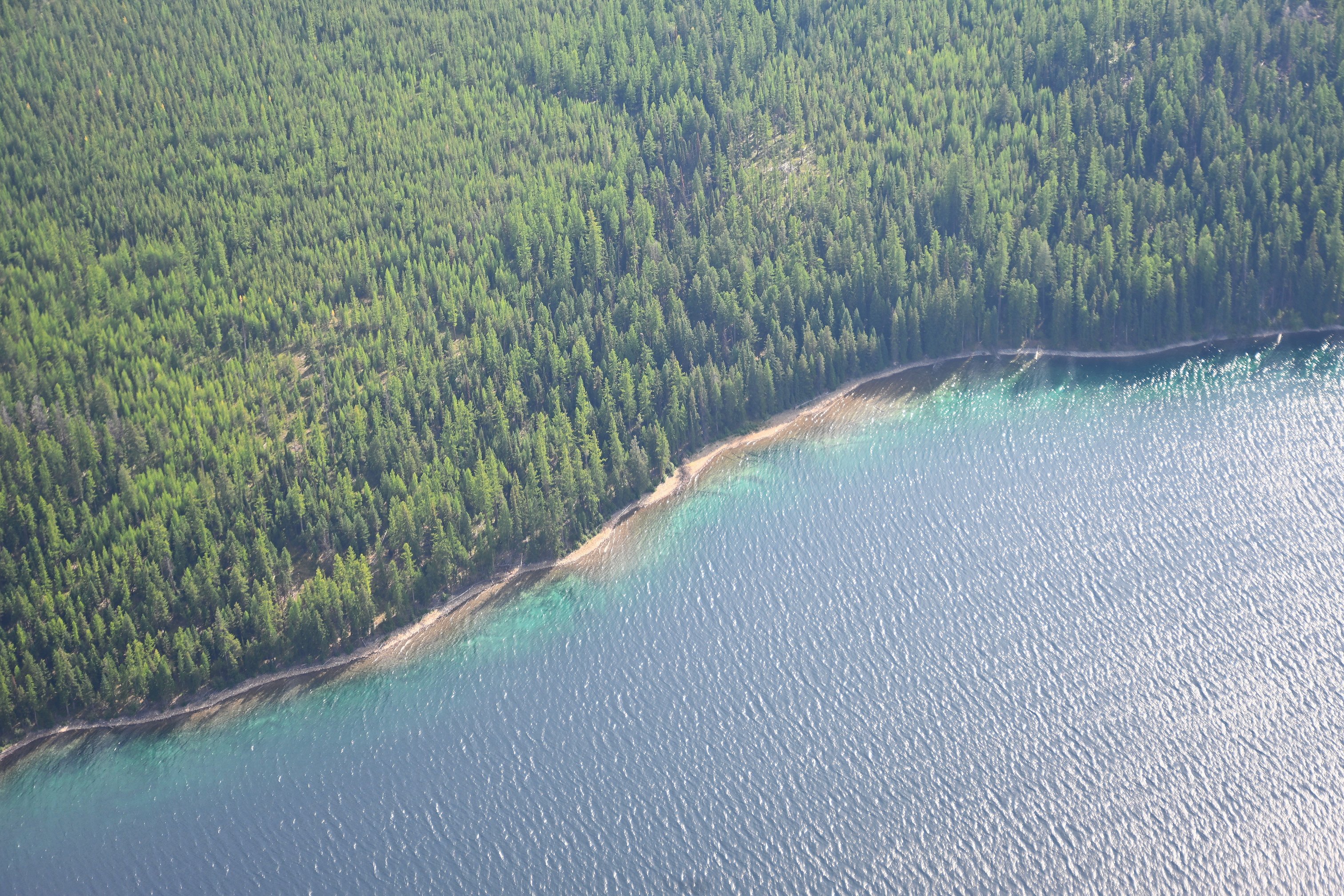 Pilot Gary Matson flies over the shoreline of Lower Thompson Lake on Sep. 8, 2026. Aerial support provided by LightHawk.(Hailey Smalley/Daily Inter Lake)
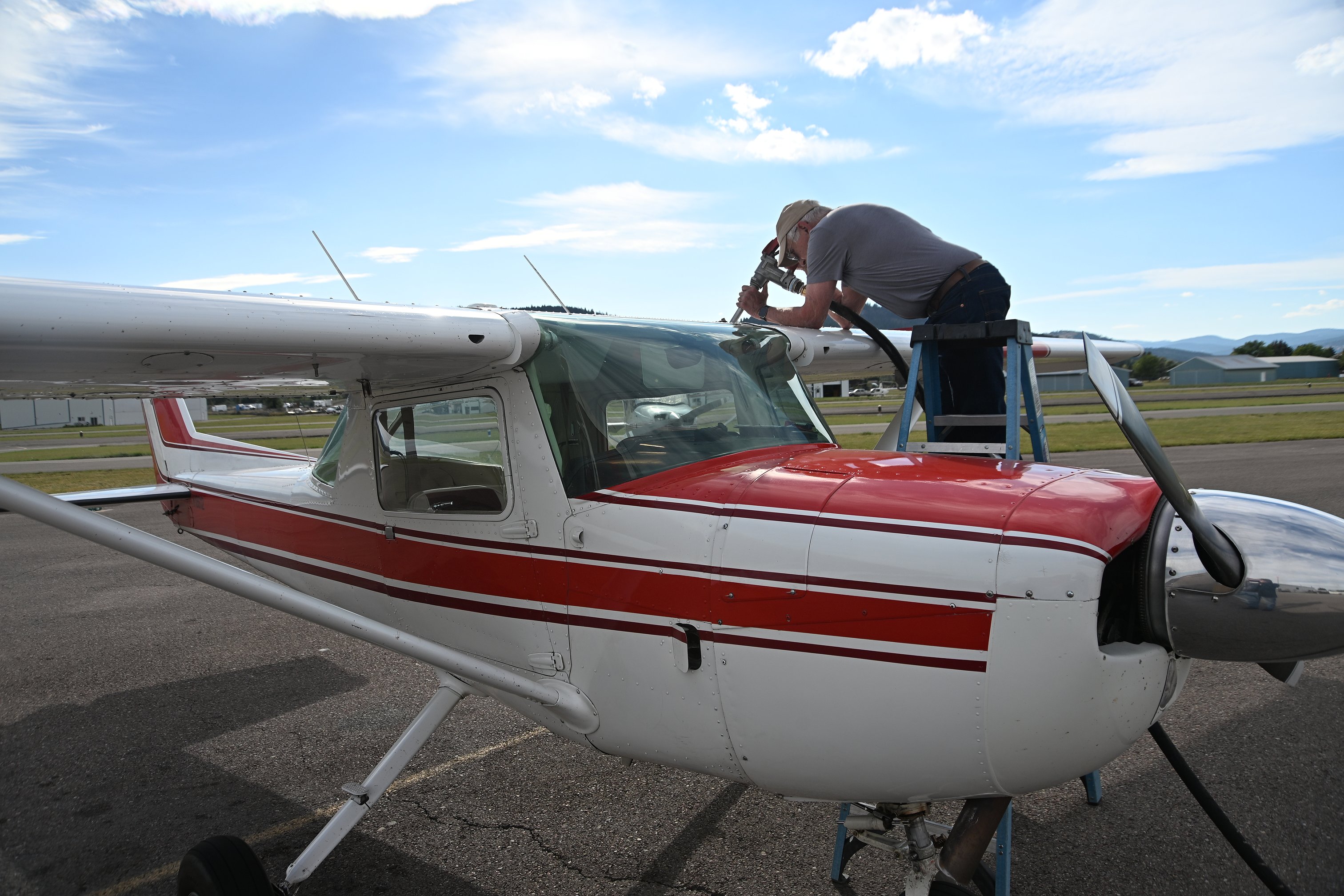 Pilot Gary Matson refuels following a flight over the Thompson chain of lakes on Sep. 8, 2026. (Hailey Smalley/Daily Inter Lake)
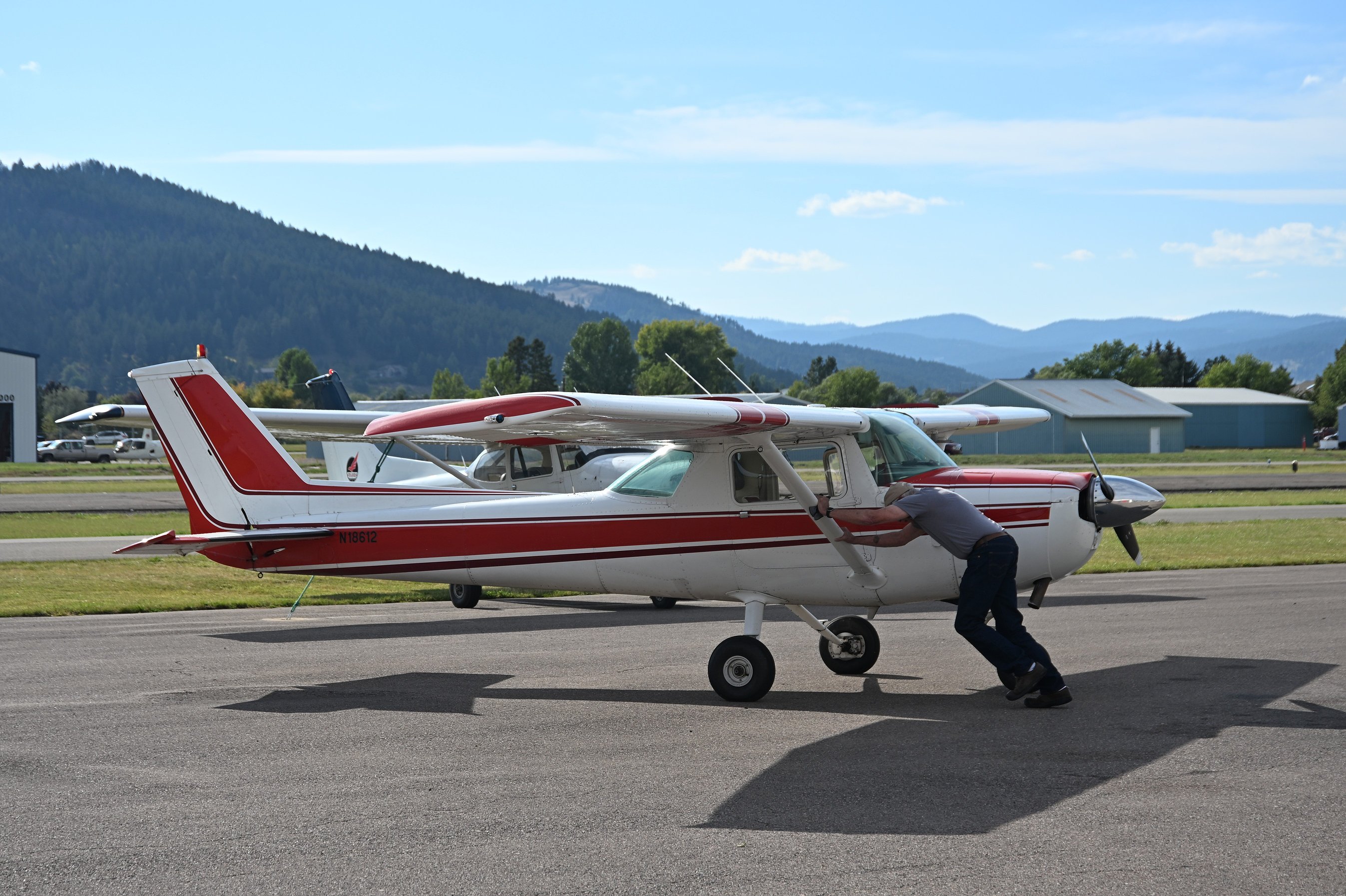 Pilot Gary Matson pushes his plane across the tarmac at Kalispell City Airport on Sep. 8, 2026. (Hailey Smalley/Daily Inter Lake)
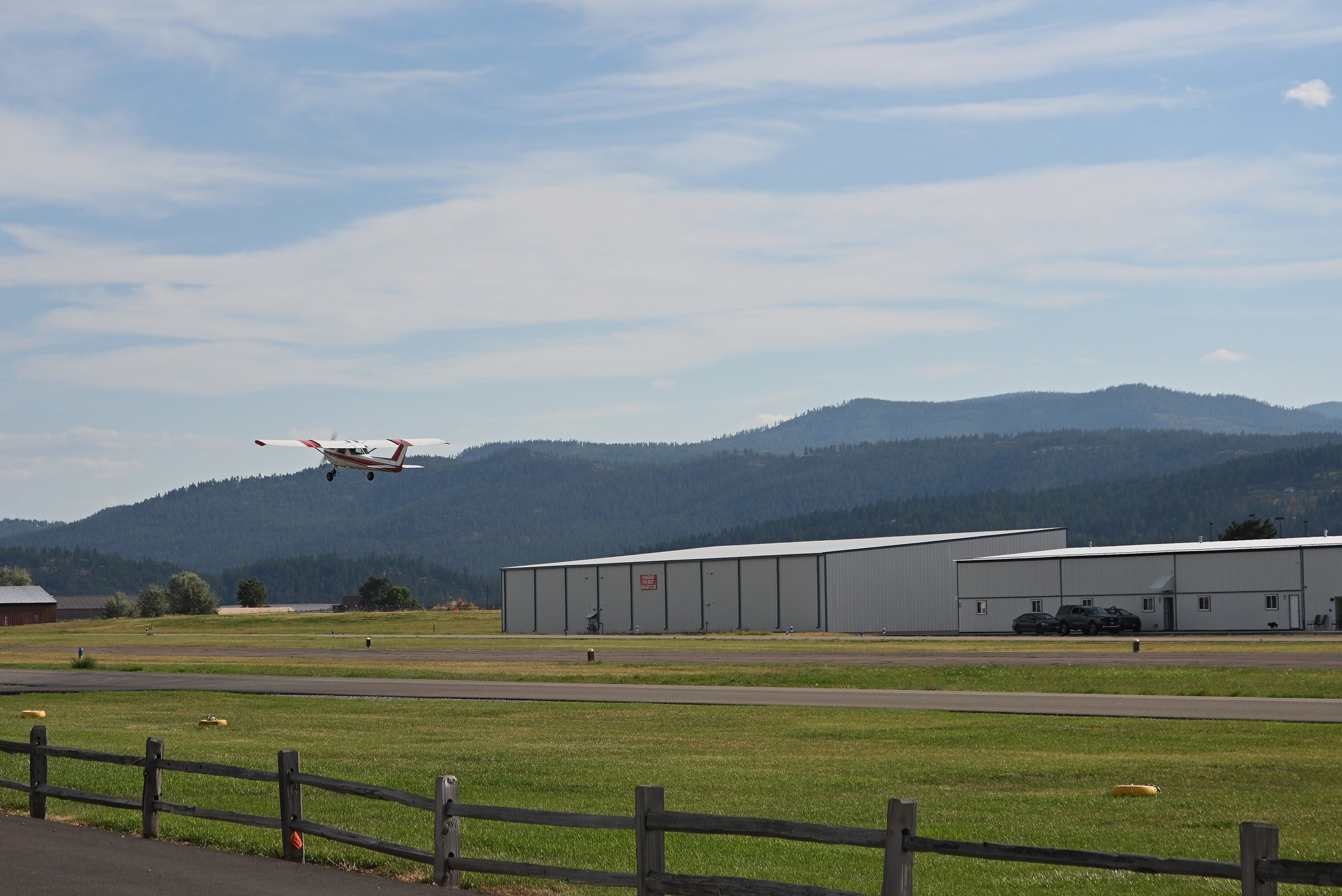 Pilot Gary Matson takes off from Kalispell City Airport on Sep. 8, 2026. (Hailey Smalley/Daily Inter Lake)
ARTICLES BY HAILEY SMALLEY
Tech highlighted in chamber-sponsored Flathead Valley timber tour
One of Montana's oldest industries has become fertile ground for innovation in recent years.
A snapshot in time: Volunteer pilot helps residents look at a treasured resource from a new angle
A recent flight would take him across the Thompson chain of lakes, a 20-mile stretch of glacially carved tarns between Kalispell and Libby.

Glacier National Park documents first bat casualty from deadly fungal disease
A bat found dead in the St. Mary area of Glacier National Park has tested positive for white nose syndrome, marking the first confirmed case of the deadly fungal disease within the park's boundaries.