
Millions of property owners struggle with co-ownership disputes, but clear options exist
Rachel Easton | Columbia Basin Herald | UPDATED 17 hours, 23 minutes AGO
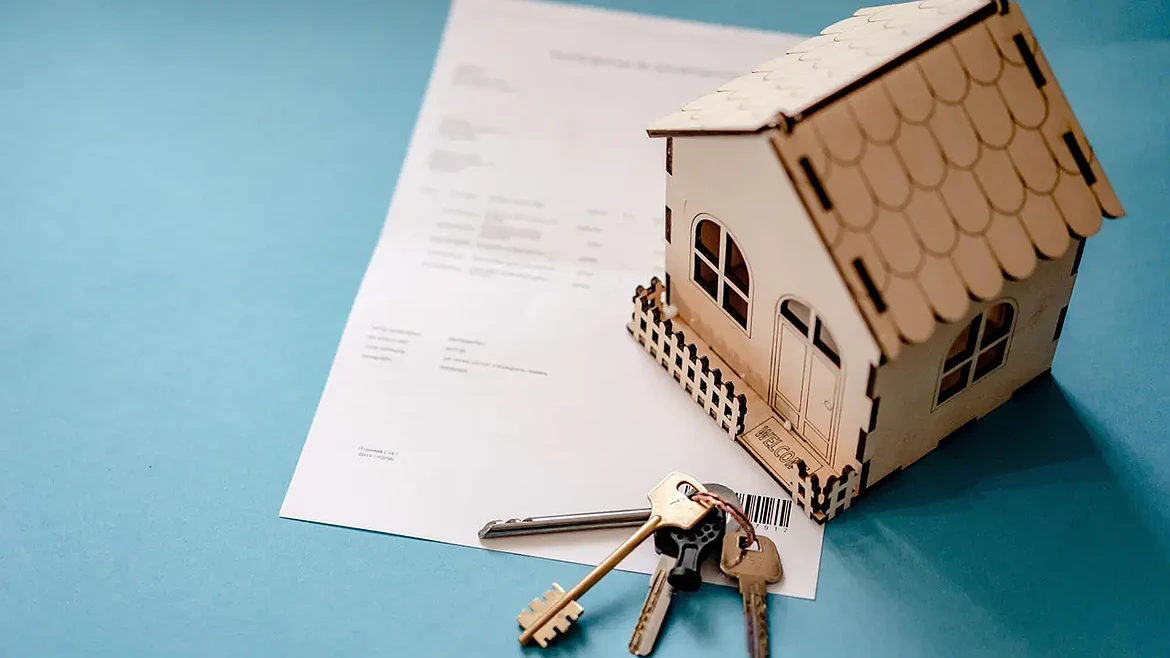
Co-ownership disputes can often be settled with a clear agreement about the property's future. One owner might buy out the other, or everyone may agree to sell. If the owners can't reach an agreement, a court may be able to divide the property or order a sale.
The National Association of Realtors found that 17% of Gen Z homebuyers were unmarried couples buying homes. Couples aren't the only people sharing ownership, though. Siblings who inherit a family home may also need to work out what to do with it.
What Does Your Deed Tell You?
Start with the deed when reviewing co-ownership legal rights. It identifies the owners and explains how they hold title, which affects what happens to each person's share.
Joint tenants usually have a right of survivorship, meaning a deceased owner's share passes to the surviving owners. A tenant in common's share can pass through their estate instead.
Someone who wants to break a joint tenancy in California can change what happens to their share after death without giving up ownership. When two people own the property, severing the joint tenancy generally makes them tenants in common.
Make Everyday Co-Ownership Easier
Sharing property is easier when everyone knows what they're responsible for. A written agreement can spell out how you'll manage expenses and what happens if someone wants to leave.
Agree on Expenses
Decide how much each owner will contribute to the bills. Set a spending limit for repairs that one person can approve alone, and keep receipts somewhere everyone can access.
Keep Decisions Clear
If you rent out the property, agree on who selects tenants and how you'll split the rental income. When a disagreement stalls decisions, a mediator can help you discuss the options while leaving the final choice in your hands.
How Does a Buyout Work?
A buyout allows one owner to keep the property by paying for the other's share. An independent appraisal gives both sides a starting point for discussing a fair price.
For example, a home worth $400,000 with a $200,000 mortgage has $200,000 in equity. Two owners with equal shares would each start with $100,000 before costs or other adjustments.
The Consumer Financial Protection Bureau explains mortgage assumption and release after divorce or inheritance. The person keeping the home can ask the lender whether taking over the existing loan or refinancing would allow the other borrower to be released.
Selling or Dividing the Property
When both owners want to sell, they can choose an agent and settle on a listing price together. Agreeing on how to review offers also helps keep the sale moving.
If they can't agree, real estate property partition provides a court process for resolving the dispute. The California Lawyers Association describes how physical division of property can create separate portions, each with its own title.
A court can also order a sale and divide the proceeds. This form of co-owner property division gives owners a way to end an arrangement they can no longer manage together.
Start With One Decision
Finding workable property ownership solutions starts with asking what each owner wants. Once those goals are clear, it becomes easier to discuss which co-ownership option fits.
Visit the rest of our site for more local news and community updates.
This article was prepared by an independent contributor which helps us continue delivering quality content to our audiences.