
Hidden chimney damage can turn cozy fires dangerous
JOEL MARTIN | Hagadone News Network | UPDATED 1 hour, 59 minutes AGO
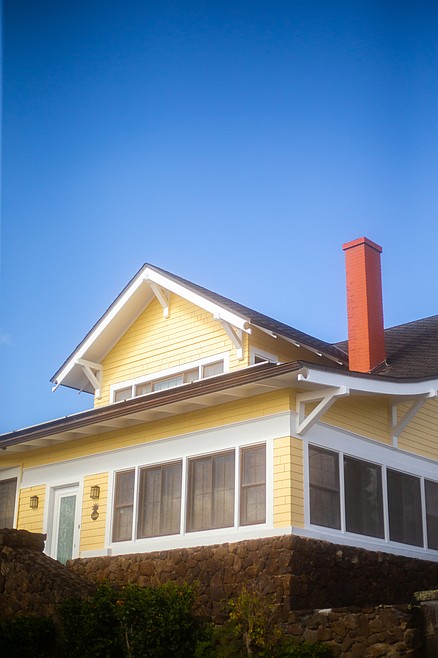
Before you start throwing logs into the fireplace, get the chimney checked out by a professional.
COURTESY PHOTO/KAYDN ITO/UNSPLASH
Joel Martin has been with the Columbia Basin Herald for more than 25 years in a variety of roles and is the most-tenured employee in the building. Martin is a married father of eight and enjoys spending time with his children and his wife, Christina. He is passionate about the paper’s mission of informing the people of the Columbia Basin because he knows it is important to record the history of the communities the publication serves. | October 30, 2026 3:00 AM
MOSES LAKE — The weather is getting chillier, which means lots of people are getting ready to build the first fire of the year in their fireplace. Here in the Columbia Basin where electricity is plentiful, few homes are heated with burnable fuel like wood or oil. But even chimneys attached to fireplaces that only get occasional use should be checked regularly, said Joe Ochal, CEO of Chimney Scientists.
“Chimneys last about 20-30 years before the interior of them starts to degrade and they have holes where heat can transfer into the wall cavity,” Ochal said. “When we’re going into people’s homes and do a chimney cleaning, we put a camera in the chimney every time to make sure there’s no holes where there’s heat transfer. People will often say to us, ‘Well, it’s been this way for 80 years,' and (they’re) surprised that chimneys require maintenance.”
Every chimney should be inspected visually at least once a year, according to the National Fire Protection Agency, and if there’s major remodeling, damage, or the home is changing hands, it should be checked out with a camera as well. The camera can look at a right angle at the side of the chimney, while a visual inspection alone can only look straight up or down, Ochal said.
The deteriorating mortar between the bricks in a chimney can create a fire hazard, Ochal explained, because the heat moves from inside the chimney through the holes in the mortar into the wood of the house. Repeated exposure over time to that heat can actually lower the combustion temperature of the wood in a process called pyrolysis, according to the U.S. Forest Service, setting the home up to catch fire from leaking chimney heat.
“It’s not just that there’s a hole inside the chimney structure that’s touching or near wood framing,” Ochal said. “Very often the wood framing that’s holding on your drywall is nailed into the masonry (of the chimney), and the nails are conductors of heat. So as you’re having fires, those nails are heating up the wood over and over and over again.”
Fire isn’t the only problem that can be caused by chimney problems, Ochal said. The flashing that surrounds the base of the chimney on the roof can leak over time as well, causing water damage that might not be immediately visible.
“It’s always good to have the exterior of the chimney looked at to make sure the caulking isn’t falling apart,” he said.
ARTICLES BY JOEL MARTIN

Hidden chimney damage can turn cozy fires dangerous
MOSES LAKE — The weather is getting chillier, which means lots of people are getting ready to build the first fire of the year in their fireplace. Here in the Columbia Basin where electricity is plentiful, few homes are heated with burnable fuel like wood or oil. But even chimneys attached to fireplaces that only get occasional use should be checked regularly, said Joe Ochal, CEO of Chimney Scientists. “Chimneys last about 20-30 years before the interior of them starts to degrade and they have holes where heat can transfer into the wall cavity,” Ochal said. “When we’re going into people’s homes and do a chimney cleaning, we put a camera in the chimney every time to make sure there’s no holes where there’s heat transfer. People will often say to us, ‘Well, it’s been this way for 80 years,' and (they’re) surprised that chimneys require maintenance.”

BASIN EVENTS: November 2026
COLUMBIA BASIN — November is right around the corner, and the Basin is brimming with things to do. Here are a few ways to get out and about.

Family History Fair helps people explore their roots
EPHRATA — The Ephrata Stake of The Church of Jesus Christ of Latter-day Saints held a Family History Fair Saturday that allowed visitors to dig deep into their roots, with tools many hadn’t known existed. “I’m learning that there are a lot of things that I could be doing, that are easy changes in my routine, to document not just my life but those of my ancestors,” Sarah Bair of Ephrata said. Much of the information revolved around the church’s primary genealogy site, FamilySearch. That site accesses more than 16 billion records, Moses Lake East Stake FamilySearch Center co-coordinator Jeff Stevens told the Columbia Basin Herald in February.