
Product validation is becoming part of everyday business planning
Billie Pollisotto | Coeur d'Alene Press | UPDATED 1 month, 3 weeks AGO
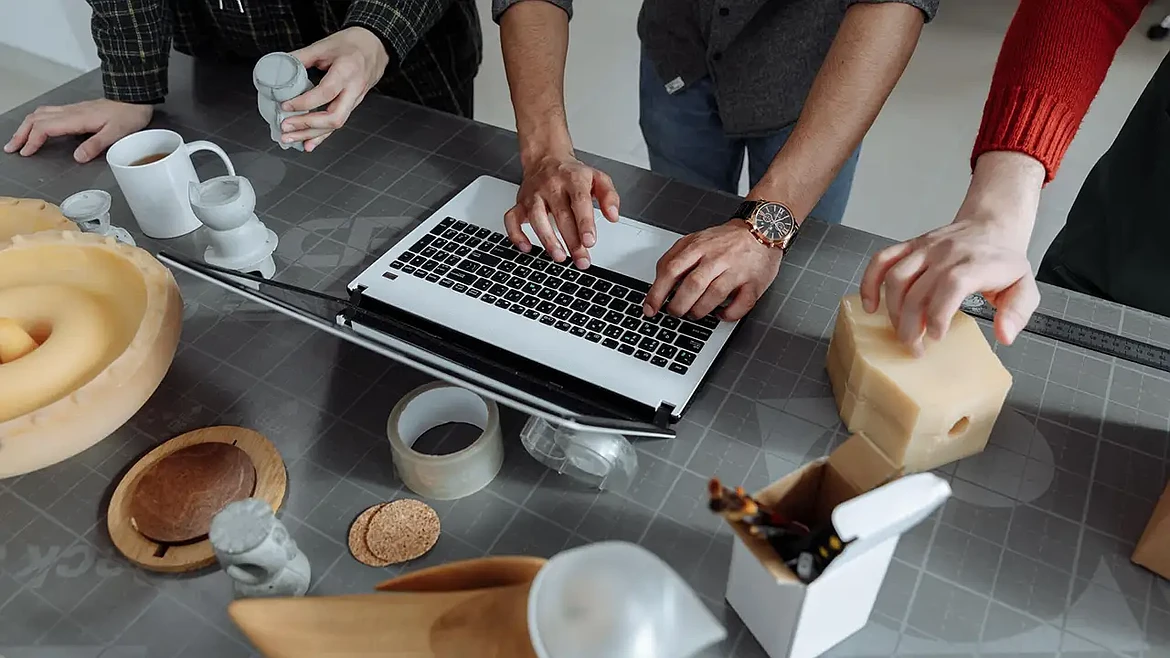
Product validation is becoming a routine part of business planning because companies need stronger evidence that an idea solves a real customer problem before committing significant resources. Testing demand, gathering feedback, and challenging early assumptions can help teams make smarter decisions while an idea is still flexible.
A product concept can look flawless during a Monday morning meeting and start falling apart the moment potential customers see it. Maybe they hesitate at the price, misunderstand its purpose, or simply do not care enough to buy it. Those reactions are valuable when they arrive before months of development and a costly launch.
Product validation brings that reality check into everyday planning, giving businesses a chance to refine, rethink, or abandon ideas before the stakes climb.
What Is Product Validation?
Product validation is the process of determining whether a product idea addresses a genuine customer need before a business commits significant resources to developing or expanding it. The process tests assumptions about the product against feedback and behavior from people who could realistically become customers.
Validation can happen at different stages of development. A business might speak with potential customers before designing anything, test an early prototype, introduce a limited version to a small audience, or evaluate an existing product before making a major change. The method depends on what the company needs to learn.
Validation Techniques: Test Demand
Testing demand gives businesses a clearer sense of whether an idea can attract real customer interest before development moves too far. Early tests can focus on how people respond to the problem, the proposed solution, and the amount of effort they are willing to make to access it.
A company might start with:
- A landing page
- A limited pilot
- A preorder offer
- An early-access signup
- A waitlist
- A product demo
Businesses can use platforms like goahead when they want another way to put an idea in front of potential customers and gather feedback before making a larger investment.
The strongest signals usually come from behavior rather than compliments. A prospective customer who signs up, requests pricing, returns to test the product again, or commits money is providing more useful evidence than someone who simply says the concept sounds interesting.
Gather Feedback
Customer feedback becomes most useful when businesses have a consistent way to organize and interpret it. Instead of treating every comment as an instruction, teams can separate recurring concerns from individual preferences and determine which observations have broader relevance.
Context matters when reviewing responses. A complaint from someone unfamiliar with the product may expose an onboarding issue, while feedback from an experienced user could reveal limitations that only appear after extended use. Recording these differences can prevent unrelated concerns from being treated as the same problem.
Teams should also document why changes are made. Keeping a record of customer concerns, resulting decisions, rejected suggestions, and unresolved questions creates useful context for future planning. It can also prevent the same discussions from resurfacing each time the product is reviewed.
Competitor Research
Competitor research helps businesses understand the environment a product will enter. Established companies have already made decisions about pricing, distribution, customer service, branding, and product positioning, giving new entrants useful information about how the category operates.
Businesses should examine where competitors sell their products, how frequently they introduce updates, which audiences receive the most attention, and how their offerings differ across price levels. These observations can reveal patterns that may not be obvious from looking at individual products alone.
Changes in competitor activity are also worth watching. A company that introduces a lower-priced option, expands into a new market, or removes a longstanding service may signal a shift in its priorities. Businesses can consider these moves alongside their own plans without automatically following them.
What Happens After a Product Successfully Passes Validation?
Successful validation gives a business a reason to move forward, but it does not mean the product is ready for an unrestricted launch. The next stage is turning the validated concept into a practical plan for:
- Production
- Operations
- Sales
- Customer support
Teams can establish a realistic development schedule and determine what resources will be required to bring the product to market. Responsibilities should also be clear so that decisions made during validation carry through to development rather than getting lost as additional departments become involved.
Businesses should preserve the elements that generated a positive response during validation. Adding unnecessary features or changing the original value proposition at this stage could move the finished product away from what customers responded to in the first place.
A gradual rollout may provide a smoother path to market. Releasing new products to a controlled audience before expanding distribution gives the business time to address operational issues and prepare for greater demand.
Frequently Asked Questions
How Can Businesses Validate Subscription Products?
Businesses can validate subscription products by testing whether customers see enough ongoing value to keep using and paying for the offering. A limited release can show how frequently customers use the product and what causes them to continue or cancel.
Pricing should also be tested as part of business strategy before a broader launch. Businesses can compare different:
- Subscription structures
- Billing periods
- Introductory offers
- Service levels
What Happens When Leadership Disagrees With Validation Results?
When leadership disagrees with validation results, the team should examine the evidence before changing course. Reviewing the testing method, participants, assumptions, and limitations can reveal whether the disagreement points to a genuine weakness in the research or simply conflicts with expectations.
If uncertainty remains, businesses can run another focused test rather than dismissing inconvenient findings. Setting decision criteria before validation begins can also reduce the chance that results are accepted only when they support the outcome leadership originally wanted.
What Is Feature Creep?
Feature creep occurs when a product gradually accumulates extra functions beyond its original scope. It often starts with seemingly reasonable additions based on:
- Customer requests
- Competitor offerings
- Internal ideas
- Requests from major clients
- Emerging technology
Too many additions can make a product harder to develop, use, and maintain.
Product Validation: Now You Know
Product validation is complicated, but it'll make it a lot easier to succeed in the open market.
Do you need more help optimizing your products? Make sure you explore our other articles.
This article was prepared by an independent contributor which helps us continue delivering quality content to our audiences.