
Travel binoculars: Why 10x isn't better than 8x on a game drive
Shikha D | Coeur d'Alene Press | UPDATED 1 month, 3 weeks AGO
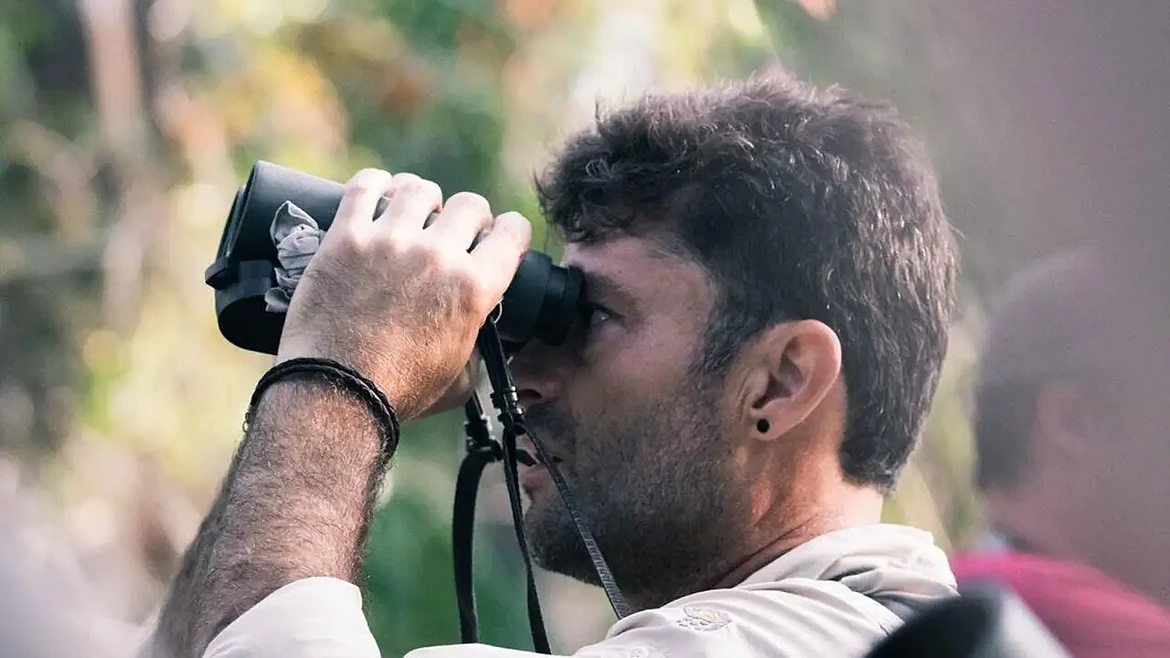
Some things to think about when buying travel binoculars are that a wider field of view can be valuable for a game drive, stability matters more than you expect, and long viewing sessions favor comfort. Think also about low-light conditions when thinking about your safari packing list.
Everyone dreams one day of going on a game drive through the beauty of African safaris and capturing some brilliant photographs of the wildlife there. If you are thinking about going on a game drive soon, one of the most important pieces of travel gear you will want to take with you is binoculars.
Spotting a lion resting after a hunt under a tree or a herd of elephants across a distant plain becomes so much easier when you have a good pair of binoculars attached to your neck. Wildlife viewing isn't possible without these trusted pieces of travel gear.
However, when choosing a pair of binoculars, it's more than just higher magnification equals better quality. You might end up choosing 10x models instead of 8x because of that misconception. However, there's more to that, especially when it comes to a moving game drive.
Magnification Is Only Part Of The Equation
The "8x" or "10x" number refers to magnification.
An 8x binocular makes an object appear approximately eight times closer than it would to the unaided eye, while a 10x binocular provides approximately ten times magnification. At first glance, 10x may seem like the obvious choice for observing distant wildlife.
But magnification also affects how easy it is to find and follow an animal.
The more magnified the image becomes, the narrower the field of view generally becomes. That can make locating a moving animal more challenging, particularly when the subject is surrounded by vegetation or other wildlife.
A Wider Field Of View Can Be Valuable
Game drives are often unpredictable.
An animal may suddenly emerge from tall grass, move across an open area, or disappear behind vegetation. With 8x binoculars, the wider view can make it easier to locate the subject and keep it within the frame.
This is particularly helpful when observing fast-moving animals or birds.
A wider field of view also makes it easier to appreciate an animal within its surroundings. Instead of seeing only the subject, you may be able to observe nearby members of the herd, changes in behavior, or interactions happening around it.
Stability Matters More Than You Might Expect
Higher magnification also makes hand movement more noticeable.
Even when your hands are relatively steady, the image through 10x binoculars can appear to shake more than the same subject viewed through 8x binoculars. This difference can become particularly noticeable when you are standing, leaning against a vehicle, or using binoculars for an extended period.
On a Tanzania Safari, there may not always be a convenient surface to rest your arms. The slightly lower magnification of 8x binoculars can therefore provide a steadier viewing experience.
Long Viewing Sessions Favor Comfort
Wildlife watching is not always about quick observations.
You might spend several minutes watching a leopard resting in the shade or following a group of antelope as they move across the landscape. Holding binoculars to your eyes for extended periods can become tiring.
The following can matter just as much as magnification:
- Comfort
- Weight
- Balance
- Ease of focusing
An 8x model that feels natural and stable may ultimately provide a better experience than a more powerful binocular that is difficult to hold steady.
Low-Light Conditions Can Change The Experience
Wildlife is often most active around early morning and late afternoon, when light levels are lower. Binocular performance in these conditions depends on more than magnification. The following can all influence how bright and detailed the image appears:
- Objective lens size
- Optical quality
- Coatings
- Pupil size
- Overall design
For example, an 8x42 binocular is a popular general-purpose configuration because it combines moderate magnification with a relatively large objective lens. This can provide a useful balance of brightness, field of view, and portability.
Frequently Asked Questions
Why Is It Important to Practice Using Your Binoculars Before a Trip?
Whichever binoculars you choose, practice using them before leaving home. Don't pull out your binoculars for the first time from their case on your first safari outing. It's going to be a steep learning curve, and you might miss out on sightings.
Learn how to adjust the focus quickly and practice bringing the binoculars to your eyes without losing sight of a moving subject. This can make a major difference when a guide suddenly points toward an animal in the distance.
If you aren't sure about how to do all of this, watch a few videos on YouTube on the matter, or speak to your safari guide before you are out on the game drive for advice on using your travel binoculars.
You want to spend your game drive watching wildlife, not searching for it through unfamiliar equipment.
What Else Should You Bring Along on a Safari?
There are so many other items you should think about bringing on a safari. Of course, you will want to have a good backpack that you can carry for hours, especially if you are going hiking. A good bottle of water, sunscreen, and a hat will all ensure you stay comfortable on the game drive.
Don't forget to carry a camera, besides your phone, so you can capture the beauty of African safaris. You are not going to be able to carry any food on the game drives with you, as the animals can smell it and it can be dangerous, so keep that in mind if you have young children with you.
Get the Right Travel Binoculars for the Next Safari
Are you ready to go on the adventure of your lifetime? It's probably one of the most epic trips you will take, going on an African safari, and you shouldn't forget your trusted travel binoculars when you do so. Use our tips to pick the best pair for the upcoming trip.
Please check out related articles on our website.
This article was prepared by an independent contributor which helps us continue delivering quality content to our audiences.