
Here is what you need to know about preventing soil erosion in your yard
Daily Inter-Lake | UPDATED 1 month, 2 weeks AGO
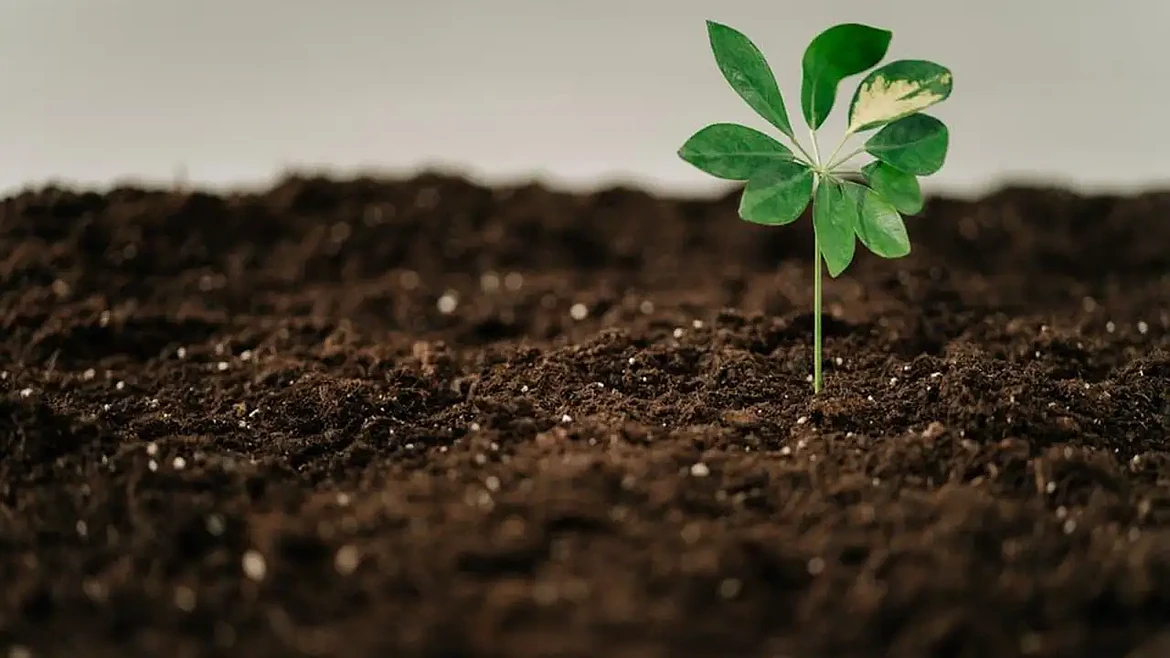
You can prevent soil erosion in your yard by managing your backyard's drainage before it becomes a problem and building pathways that keep foot traffic off vulnerable soil. You can also use landscaping features to break up long slopes and keep garden soil protected between growing seasons.
GreenPal reports that most American homeowners spend two to three hours per week on lawn work, and 91% care about how their lawn looks. When done correctly, yard work can make a property shine and stand out in the neighborhood.
The caveat is that because the lawn is a living thing, many homeowners experience soil erosion, which can detract from the overall look.
Can You Reverse Soil Erosion?
Yes, you can stop soil erosion and even repair the damage done, but the approach will depend on how much soil is lost and what caused the problem in the first place. The important thing is not to just replace missing soil; you need to address the conditions that caused it to wash or blow away.
Once you've controlled the erosion, maintaining continuous plant cover and avoiding unnecessary soil disturbance can help prevent the damage from returning.
How Do I Stop Soil Erosion in My Backyard?
The good news is that if your yard is experiencing soil erosion, you can put a stop to it. These are the best ways you can go about soil erosion prevention.
Manage Your Backyard's Drainage Before It Becomes a Problem
One of the most effective ways to fight against soil erosion is to control where rainwater travels with good landscape drainage. Don't just let runoff move unpredictably across your property; instead, you should direct it toward areas where water can safely infiltrate or disperse.
As part of your yard drainage solutions, you should also check that the gutters and downspouts discharge away from vulnerable landscaping, foundations, and slopes. A good way to do so is to observe where water collects or moves quickly during heavy rain. This can help you avoid creating drainage routes that just transfer the problem to another part of the property.
Build Pathways That Keep Foot Traffic Off Vulnerable Soil
You may have already noticed that repeated walking can damage your backyard soil, especially around:
- Gardens
- Slopes
- Gates
- Frequently used areas
This is because constant foot traffic compresses the ground and can destroy vegetation, and this leaves exposed areas more susceptible to runoff.
A good solution is to establish defined pathways, as this gives people and pets a durable route. Plus, it protects the surrounding landscape.
You should keep the paths aligned with the natural layout of your property rather than create shortcuts across sloped ground. You can even consider permanent access routes between planting beds so you don't have to keep walking through the same soil.
Use Landscaping Features to Break Up Long Slopes
Long and uninterrupted slopes give runoff plenty of space to gain speed, but if you change the landscape's shape, you can help reduce the amount of water moving rapidly downhill. For slope stabilization, you can consider creating several smaller planting zones instead of one continuous incline. You can use:
- Custom retaining walls with Rhino Vet
- Low landscape borders
- Strategically positioned garden beds
- Terraces
These things should follow your property's natural contours instead of forcing water toward a single low point. You can utilize decorative features to divide runoff paths, too, such as:
- Rock borders
- Logs
- Planted berms
If there are larger grading projects, then get a professional assessment.
Keep Garden Soil Protected Between Growing Seasons
With backyard landscaping, the soil can become particularly vulnerable when annual plants die back, or the beds are cleared at the end of the growing season. You shouldn't leave the soil completely exposed, though; plan for what will protect the beds during periods when things aren't growing.
For example, you can use cover crops to provide living protection, and use organic mulch to protect the surface. When you're preparing beds, avoid unnecessarily pulverizing the soil into a fine texture.
Having planting schedules helps, too. You can establish vegetation before periods of expected heavy rainfall.
Frequently Asked Questions
What Causes Soil Erosion?
Soil erosion happens when soil particles are detached and transported by forces like water, wind, or human activity. One major cause is rainfall since intense downpours can dislodge exposed particles. Wind can have a similar effect, especially in dry and uncovered areas.
Backyard activities can also speed erosion, such as:
- Removing vegetation
- Digging frequently
- Constructing structures
- Compacting soil
- Allowing water from downspouts to discharge onto bare ground
The soil characteristics matter, too. Loose and sandy soils can be easily transported, and compacted soils can produce more surface runoff since water struggles to infiltrate.
What Are the Seven Types of Soil Erosion?
The seven types of soil erosion are:
- Sheet: Removes a relatively thin and widespread layer of soil across the surface
- Rill: Happens when runoff forms small channels
- Gully: Creates larger and deeper channels that are more difficult to repair
- Splash: Begins when raindrops strike bare soil and dislodge particles
- Streambank: Happens when flowing water gradually wears away the soil along a watercourse
- Wind: Happens when exposed, dry soil particles are picked up and transported by moving air
- Tunnel: Develops below the surface when water moves through cracks, channels, or dispersive soils
Several types can occur simultaneously, especially if your property gets heavy rainfall.
What Is the Best Ground Cover to Stop Erosion?
The best ground cover to stop erosion is dense, deep-rooted vegetation. The roots help hold the soil together, and the foliage and stems slow rainfall and surface runoff. Examples of what you can use are:
- Turfgrass for relatively gentle slopes with regular foot traffic
- Native grasses, ground-cover plants, and low-growing shrubs for steeper or less frequently used areas
- Erosion-control blankets or other biodegradable coverings can provide temporary reinforcement
- Mulch can supplement living ground cover
Prevent Soil Erosion in Your Yard
You've worked so hard to create such a beautiful yard, so don't let soil erosion ruin it all. By using a combination of the strategies we've presented, you can maintain beautiful greenery all year round.
For more informative posts, keep browsing our website now.
This article was prepared by an independent contributor which helps us continue delivering quality content to our audiences.