
Flathead organization maps out hypothetical valley-wide bus system
Whitefish Pilot | Whitefish Pilot | UPDATED 1 month, 1 week AGO
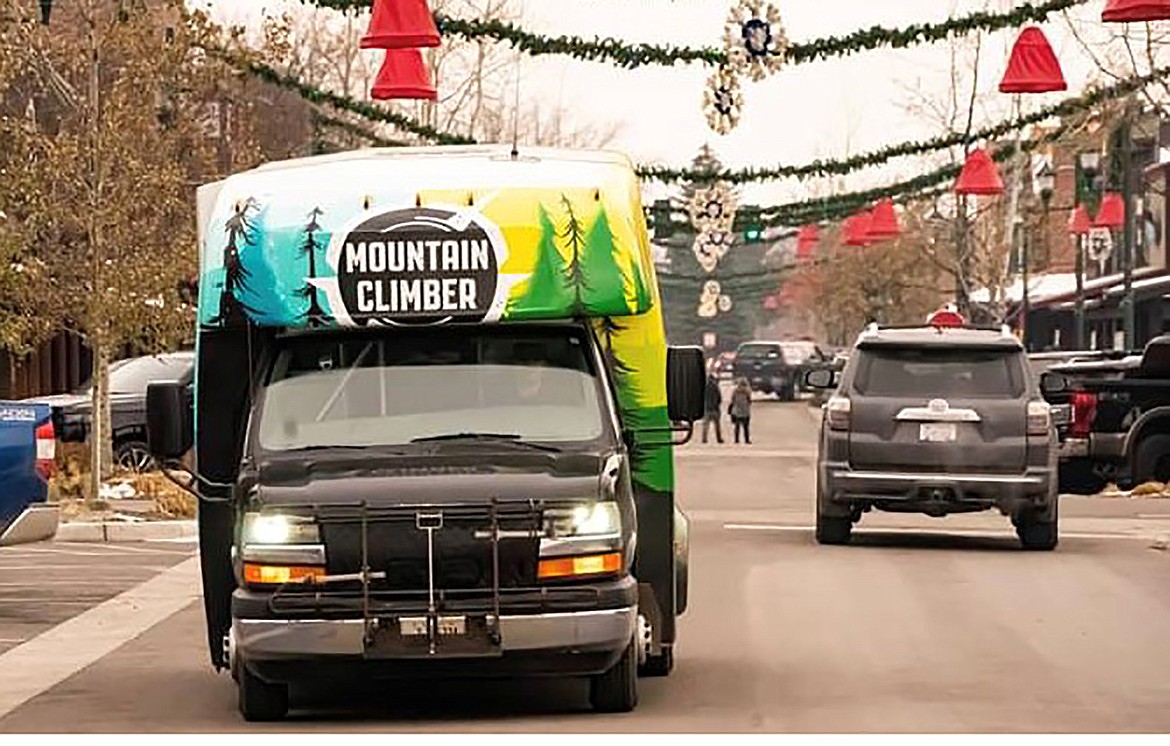
Mountain Climber
Livable Flathead published the Flathead Connector, a hypothetical plan for public bus service across the Flathead Valley. Fully built out, the system would have 10 routes, 132 stops, 866 bus trips a day, and a bus at Glacier Park International Airport for every scheduled flight.
Livable Flathead was formed in August 2025, backed by a grant from Shelter WF. Nathan Dugan serves as the organization's executive director.
The Flathead Connector plan can be seen in detail at livableflathead.org/flathead-connector.
Schedules, fares and costs on the Flathead Connector site are modeled from public data, so residents and local governments can see what it would take to make a reality.
The first phase links Kalispell, Whitefish, Columbia Falls and the airport with four routes.
According to the model's data, it would cost a typical home about $47 a year in property tax.
The extended network adds routes to Bigfork, Lakeside, West Glacier, Kila and Marion and runs a bus every 15 minutes all day on the two busiest lines, for about $130 a year in property tax on the typical home. Modeled fares start at $2 and rise to $4 for the longest trips, with a $20 fare to or from the airport. Seniors and low-income riders pay half. Riders 18 and under ride free.
Flathead County has no fixed-route bus service. Glacier Park International handled 1,114,491 passengers in 2025 and has no public transportation. Whitefish has the busiest Amtrak station in Montana, with 46,400 riders a year. The county's on-demand service, the Mountain Climber, gives about 52,000 rides a year with limited hours throughout the week.
Elizabeth Wood, Mountain Climber director, told the Whitefish Pilot that a ride between the three cities is "one of the top phone calls we have to say no to," followed by the airport and Glacier National Park.
The Connector aims to meet all of these needs at full buildout.
"This is what a bus system for the whole valley looks like, and we made sure that it meets the clusters of early morning and late-night flights at our airport, which present a significant challenge," Dugan said. "We built it so the conversation can start from a real plan instead of an idea that people can’t visualize."
The Connector proposes a single transit district and one tax rate on every property in the county. It could be built in three phases over about five years.