
The New Way Locals Are Finding Businesses - And It's Not Google
April D. Lee | Bonner County Daily Bee | UPDATED 4 weeks AGO
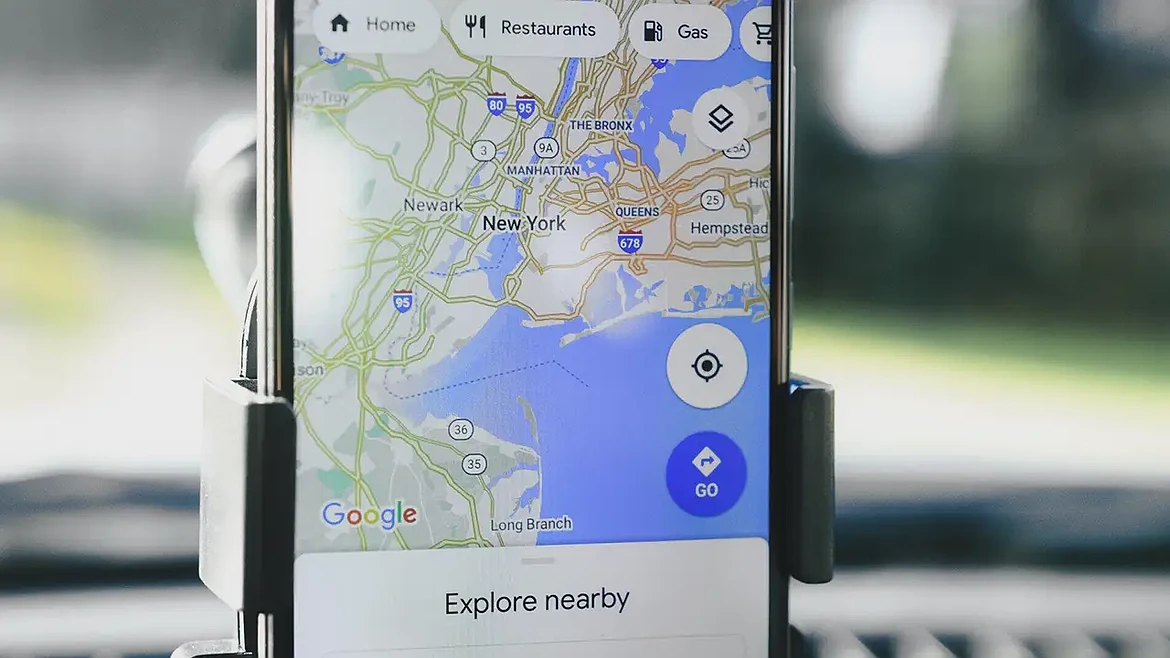
Local consumers today are no longer relying on one search engine to choose where to eat, shop, hire, or visit. People now move between AI tools, social platforms, maps, reviews, and websites when finding businesses and deciding which ones deserve attention.
A nearby customer may be ready to buy before a company knows it. Google matters, yet it is no longer the only doorway into local discovery. Brands that understand this can improve business visibility before competitors catch up.
How Are People Finding Businesses Without Google?
People increasingly find local companies through social media, AI assistants, maps, reviews, and online communities. Consumers often confirm what they find elsewhere.
Online discovery now happens across several platforms. A searcher may see a restaurant video, ask AI for nearby options, check a map, and read reviews.
What Is Replacing Google for Local Search?
No single platform is replacing Google. The larger change is a network of search choices that work together.
Most users still verify AI suggestions, so websites, listings, reviews, and social profiles remain important. The newest search trends point toward a blended system, not a single winner.
Local Search Is Becoming a Multi-Channel Journey
People rarely move directly from search to purchase. A customer may:
- Watch a local creator review a service.
- Ask an AI assistant for nearby choices.
- Compare ratings on a review platform.
- Check hours and directions on a map.
- Visit the company's website before calling.
Remember this:
- Social content can create interest.
- AI can narrow choices.
- Reviews can build trust.
- Maps can confirm convenience.
The strongest local presence is no longer one high-ranking page. It is a consistent identity across the places customers already use.
AI Recommendations Are Becoming a New Front Door
AI tools let users ask detailed local questions in normal language, such as finding a family-friendly restaurant or well-reviewed contractor.
AI may answer with a short list instead of pages of links. A business can rank well in traditional search and still be missing from AI recommendations.
Companies need to know how AI systems describe them and which competitors appear beside them. A tool to track how AI describes your brand can help teams review those signals. NextNet AI says its platform tracks citations and competitive visibility across major AI engines.
Social Platforms Work Like Search Engines
Users now search for food, services, products, activities, and local recommendations inside social apps.
Short videos can show what a place looks like. Comments provide quick opinions. Creator posts can introduce a business before formal search begins.
Changing consumer behavior gives visual platforms an advantage. Searchers can see atmosphere, product quality, crowd size, or service style in seconds.
Every public profile can become an entry point into the buying journey.
Business Visibility Depends on Consistent Digital Signals
Fragmented search makes consistency more important. Conflicting hours, outdated phone numbers, or weak descriptions can create doubt.
Strong business visibility starts with accurate details across:
- Websites
- Maps
- Reviews
- Social profiles
- Directories
Consistency helps people confirm a company is active.
Local Marketing Must Follow the Customer
Effective local marketing requires more than ranking for a few keywords. Businesses should understand the following:
- Where discovery begins
- Where trust is built
- Where decisions are confirmed
Teams should review:
- Search data
- Social engagement
- Referral traffic
- Reviews
- AI mentions
Those signals show which channels influence real customers.
Businesses should create location-specific content that answers common questions about:
- Parking
- Delivery areas
- Accessibility
- Appointment availability
Email and text message campaigns can bring previous customers back when they include:
- Timely offers
- Reminders
- Updates
Partnerships with nearby businesses can introduce a company to new audiences through shared promotions and community events. Local sponsorships and in-person activities can strengthen recognition among residents who may not encounter the brand online.
Fast responses to questions and complaints can also shape public perception and encourage customers to choose the business again.
Frequently Asked Questions
Can Small Businesses Appear in AI Recommendations?
Yes. AI systems can reference small local companies when reliable information about them is available online. Clear service pages, accurate location details, reviews, and trusted mentions can improve the information AI tools use.
Businesses should also check whether AI descriptions are correct. An outdated service, wrong category, or missing location can affect how a brand appears. AI visibility should be reviewed on the regular because sources can change.
Businesses can strengthen their chances by publishing helpful answers to common customer questions. They should also keep in mind that their business name, address, phone number, and service details should be consistent across every major platform.
Why Do Reviews Matter Outside Google?
Reviews can influence discovery across many platforms. Consumers may read them on:
- Yelp
- TripAdvisor
- Industry sites
- Marketplaces
- Social posts
AI tools may also summarize review information when forming recommendations. Reviews provide details a basic listing cannot, including:
- Reliability
- Service quality
- Recent experiences
A steady flow of detailed reviews can give customers stronger context than old ratings alone. Recent reviews can also signal that a business remains active and responsive.
Companies should be sure to invite honest feedback and respond professionally to both positive and negative comments. Responding thoughtfully can also reassure potential customers who are evaluating the business for the first time.
Should Local Businesses Focus More on Social Media or SEO?
Most businesses need both. SEO helps customers find accurate information when they have clear intent. Social media can create awareness before formal search begins.
The best mix depends on the audience, service, and location. Companies should measure which channels produce calls, visits, inquiries, and repeat customers instead of chasing attention alone.
Businesses with limited resources can begin with the channel their customers use most often. Over time, performance data can guide how much effort and budget each channel receives.
How Businesses Can Stay Visible Wherever Locals Search
Local search is becoming wider and more personal. Companies that keep accurate information, useful content, strong reviews, and active profiles can stay visible when people are finding businesses across the discovery journey. Google still matters, yet local attention now moves through many digital doors.
Explore our other guides and articles for practical insights on technology, search, and local commerce.
This article was prepared by an independent contributor which helps us continue delivering quality content to our audiences.