
Do you struggle to find durable access solutions that handle heavy traffic flows?
Stephanie Heron | Bonner County Daily Bee | UPDATED 1 month AGO
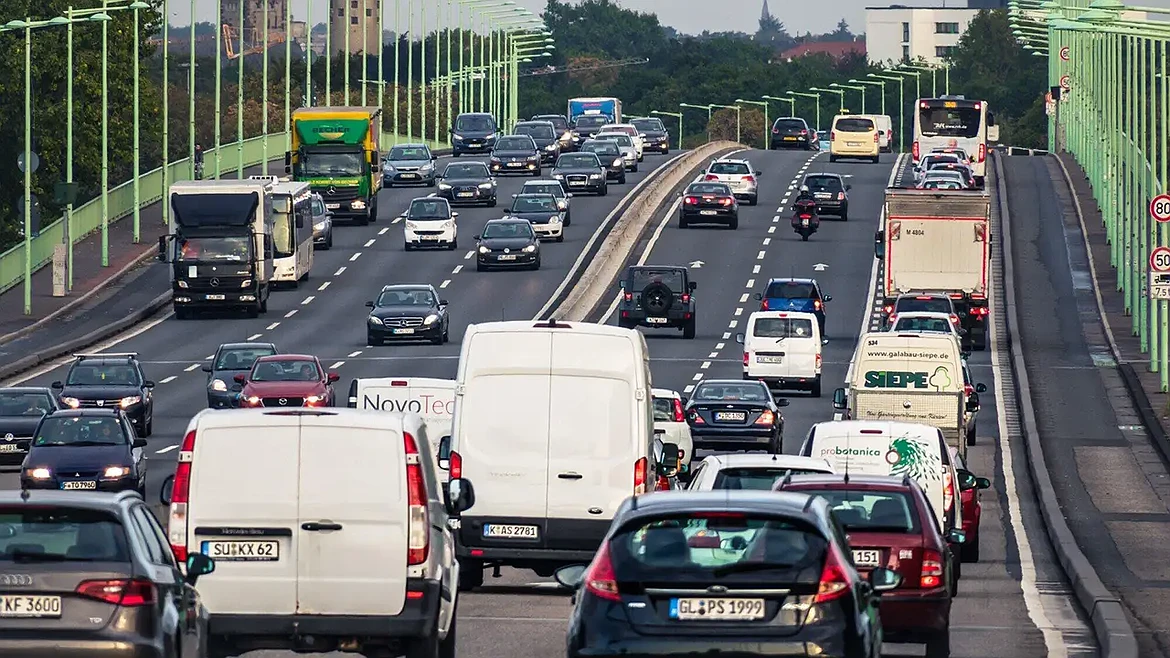
Commercial developments that can help with traffic solutions and access include designing multiple access points around major commercial developments and creating internal circulation that keeps local trips off public roads. You can also plan commercial entrances around existing transportation infrastructure and use phased development to match transportation capacity.
At the end of 2025, NPR reported that traffic congestion hit a record high, with the average American spending 63 hours a year stuck in traffic. Considering that traffic has reached pre-pandemic levels and even exceeded them, it's essential that we implement measures to alleviate this pressure.
These are the commercial developments that can provide traffic solutions and access.
What Are Some Solutions to Heavy Traffic?
You can address heavy traffic by managing both the number of vehicles on the road and how efficiently roads operate. You can take care of both things by giving drivers practical alternatives to private cars, such as:
- Buses
- Rail
- Commuter services
If they also have flexible work schedules and remote work, they can spread their trips across different times of day and relieve pressure on traditional rush hours. Cities can also assist by coordinating traffic signals and adjusting lane configurations.
Better land-use planning also matters. If people can locate housing, workplaces, shopping, and services closer together, then they can shorten their total trips.
What Are Commercial Developments for Traffic Solutions and Access?
Broader solutions can help with heavy traffic flow, but to truly alleviate pressure, you have to go more granular. Here are some solutions communities can implement.
Design Multiple Access Points Around Major Commercial Developments
The best way to reduce access problems is to avoid dependence on a single entrance or exit. With multiple property entryways, you can distribute vehicle movements. As a result, this reduces the chances that one driveway becomes a bottleneck, especially during busy periods.
For the best site navigation, position the entrances carefully to avoid creating closely spaced intersections. They should also avoid interfering with existing traffic patterns. Solutions such as double-lane timber vehicular bridges can also allow drivers to reach different areas without returning to major public roads, such as parking areas, buildings, and adjacent parcels.
Other things developers should consider include:
- Emergency vehicle access
- Service vehicles
- Deliveries
- Employee traffic
- Customer trips
Create Internal Circulation That Keeps Local Trips Off Public Roads
A well-designed area should be able to handle most of its vehicle movement internally instead of forcing drivers onto surrounding streets for short trips between buildings. You can make movement smoother with:
- Connected parking areas
- Shared drive aisles
- Pedestrian pathways
- Clearly defined loading zones
This can be very useful for mixed-use projects that have multiple locations.
Make sure that the load capacities account for delivery trucks and other large vehicles, as they can potentially obstruct customer traffic. This may be possible with clearly separated loading and service areas. You can also use directional signs, pavement markings, and appropriately positioned entrances.
Plan Commercial Entrances Around Existing Transportation Infrastructure
Developers should look at the existing transportation infrastructure before finalizing site access. In addition, they shouldn't treat roads and entrances as separate design considerations.
When it's possible, commercial sites should connect with existing:
- Sidewalks
- Trails
- Bike routes
- Adjacent streets
You may need to coordinate with transportation agencies, as they can help you identify planned roadway projects that can affect your future traffic patterns. Designing around existing and planned infrastructure is key, as this prevents access conflicts. It also allows your property to remain functional, even as its surroundings change.
Use Phased Development to Match Transportation Capacity
Opening at full planned scale is hardly practical, nor feasible in most cases. It's better to rely on phased development, as transportation improvements can keep pace with increases in activity. For example, later construction phases can be tied to the completion of specific roadway connections or intersection upgrades. This gives developers and transportation officials the chance to evaluate actual traffic conditions.
Phasing is also very useful for:
- Large retail centers
- Office campuses
- Industrial parks
- Mixed-used developments
These can all expand over several years, so it's important not to wait until congestion becomes a serious problem. Developers can instead establish transportation benchmarks and improvement requirements for long-term success.
Frequently Asked Questions (FAQs)
What Are Some Effective Solutions for Traffic Congestion Around the World?
You can address traffic congestion by combining transportation policy, infrastructure, and urban planning. Some places focus on congestion- and emissions-related charging in designated areas (e.g., London), while others invest heavily in cycling infrastructure (e.g., Copenhagen).
Not every strategy is universally transferable, though, as costs, geography, population density, and political structures vastly differ. They can demonstrate that congestion needs several coordinated measures, though.
What Are Some Ways To Reduce Traffic Speed?
You can reduce traffic speed by designing roads so that lower speeds are appropriate for the environment. Clever ways to do this include:
- Narrower travel lanes
- Raised crossings
- Speed humps
- Curb extensions
- Tighter intersections
- Roundabouits
Specifically in areas with lots of pedestrian activity, you can use raised intersections or crossings. This can make drivers more aware that there's a slower speed environment.
In general, the most effective approach will require a combination of appropriate limits with physical road designs and consistent enforcement.
What Are 10 Ways To Improve Road Safety?
Ten ways you can improve road safety across different types of streets and highways are:
- Improve intersection design to reduce confusing vehicle movements
- Maintain pavement and markings so drivers can clearly identify things
- Provide adequate lighting at intersections, crossings, and other high-risk locations
- Separate pedestrians and vehicles if traffic volumes or speeds make the situations unsafe
- Create protected bicycle infrastructure
- Use clear and consistent signage so drivers have plenty of time to adapt
- Improve sight distances by addressing obstructions
- Install appropriate traffic signals where there are controlled crossings
- Manage roadside access to limit unnecessary conflicts
- Respond to crash data by identifying recurring problem locations and addressing the underlying design issues
Commercial Developments Can Help Ease Traffic Concerns
Congestion is only going to get worse as time goes on, so it's crucial that we tackle this issue now. If organizations utilize key commercial developments, then we can keep traffic flowing and congestion under control.
Check out more of our pages to keep reading interesting articles.
This article was prepared by an independent contributor which helps us continue delivering quality content to our audiences.