
Boating season brings fun on the water, but hidden risks can sink your budget fast
Bonner County Daily Bee | UPDATED 4 weeks, 1 day AGO
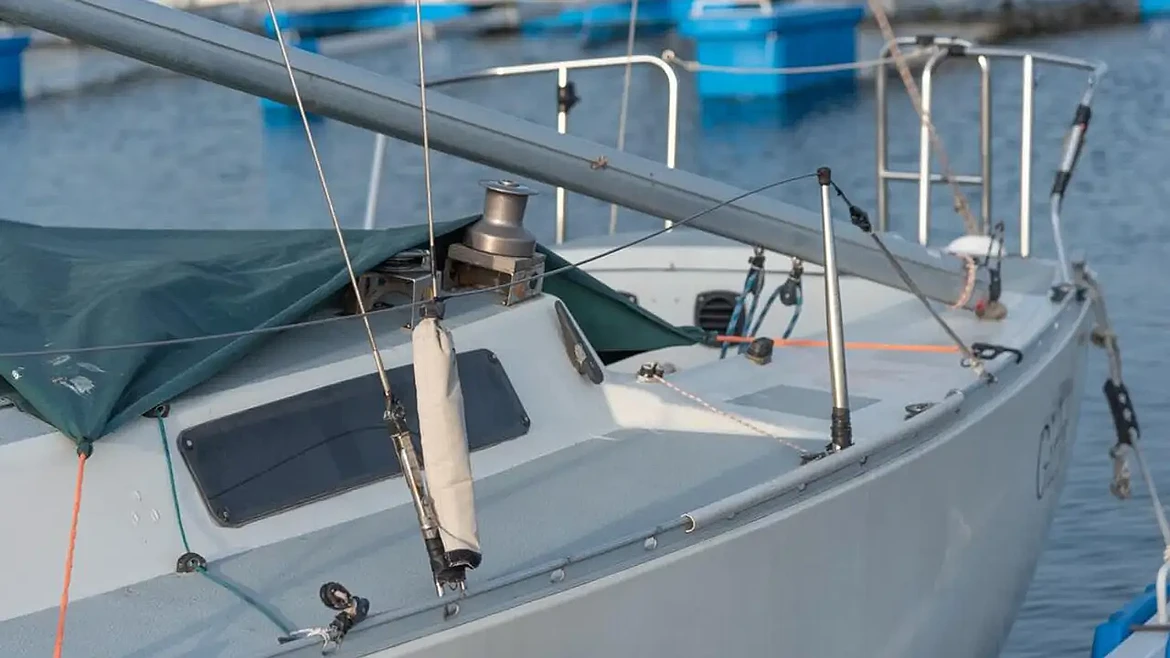
Set sail safely and affordably this boating season by following procedures, from proper boat maintenance to having liability insurance in case of a collision. Always calculate how much fuel you'll need with a surplus for emergencies, and understand potential on- and offshore risks, from theft to equipment failure to unpredictable weather.
The National Safe Boating Council reported that the Coast Guard counted 3,887 incidents that involved 556 deaths in 2024. Those deaths can be accidental, from being lost at sea to injuries from accidents. You can reduce the likelihood of such tragedies by having life jackets and functional communication devices.
What Hidden Risks Come with Boating Season?
Your boat isn't just a tool for fun and relaxation, but a vehicle that can develop operational malfunctions. The engine or transmission can fail at sea, putting your safety in danger. A rescue can be very expensive once you see the cost to tow the boat back for repair.
Beyond mechanical failures, collisions or property damage can happen at sea, and a lack of protective storage can leave your boat exposed to the elements. If passengers are injured in a collision on your boat, it can lead to potential lawsuits that can become financially devastating without proper liability insurance coverage.
Preventative Checklist
Use extra caution before sailing by running down your boat maintenance checklist before leaving dock.
Start by:
- Inspecting your hull and top side for fiberglass cracks
- Checking drain plugs
- Clearing the bilge pump
- Inspecting the engine
- Checking the oil and replacing filters
Always have enough fuel to get you to your destination and back to port, and have a reserve supply in case of an emergency.
Watercraft safety involves emergency supplies such as:
- Flares
- Life jackets
- Fire extinguishers
Your boat should have enough life jackets for everyone on board and properly fit each person. If you have children on board, you need ones in child sizes. Replace expired flares and verify that your fire extinguishers are charged.
Don't forget to check weather conditions. If the forecast predicts a rough storm, you should reschedule your outing for another time.
Always understand the boat laws of the area you're in if you're visiting a different zone.
How Can I Mitigate Boat Ownership Costs?
Having boat and marine insurance protects you in case of unexpected events, including:
- Harsh storms
- Theft and vandalism
- Lability claims
- Collisions
Before the boating season starts, review your policy to understand how much coverage you have and what exclusions there are. Choose your coverage based on your existing boat value, how much you use it, and where you store it.
As with auto insurance, you can save on boating insurance with a clean claims history and bundling some policies. Positively affect your premium by taking a boat safety course.
Proper storage helps reduce the amount of:
- Natural deterioration
- Water damage
- Corrosion
Avoid vandalism- or theft-related repairs or replacements by keeping it properly inaccessible. Covered storage facilities and secure marinas provide ideal property damage protection. However, if you store it at home, increase its security by having it behind a locked gate or using a trailer or wheel lock.
Is a Boating Safety Course Worth Taking?
Whether you're a newbie or an experienced boater, a safety course can help avoid marine liabilities by ensuring you know emergency procedures and navigation rules.
Formal boat education can expand your range. If you want to operate specific vessel types like motorized watercraft or a personal Jet Ski, you'll need a course.
You may have a discount on your insurance after the course. Keep refreshing your knowledge no matter how many years you've been on the water.
Should I Consider Fractional Ownership?
If you enjoy sailing but don't do so frequently, fractional boat ownership may be for you. Instead of purchasing and maintaining a boat, you'll be a part of a multiple-ownership scenario that shares the cost and use of one.
Those shared costs include maintenance, registration, and storage. However, the downside may be time usage, as multiple owners must coordinate who can use the boat and when.
Frequently Asked Questions
What Is the 1/3 Rule in Boating?
This rule focuses on how well you manage your boat fuel when sailing. It divides your usable fuel into three equal parts, with the first portion focused on your outward destination. The second portion makes up the return trip to the dock, and the final 33% you should keep untouched as an emergency reserve.
Following this rule can help boat owners handle unpredictable conditions such as rough waves or strong currents that can make your engine work harder than normal, burning more fuel.
A fuel reserve is a buffer in case you have mechanical problems or detours. Your gauge can develop problems like false readings when moving. That's why it's best to conserve fuel where possible.
What Is the Golden Rule of Boating?
The golden rule of boating is to treat it as a responsible mode of transportation, like a car or other means. That also involves treating your fellow boaters on the water as you'd want to be treated.
Therefore, you should slow down to minimize your wake near docks, swimmers, or other boats. Keep your distance when passing or anchoring near others, and politeness and working efficiently at boat ramps and fuel docks go a long way. Have a good time on your boat with music and laughter, but be aware of your noise level, especially at night or near quiet coves.
Avoid a Tidal Wave of Issues with Proper Boat Safety
Getting out on the water to fish, spotting marine animals, or just having a good time with friends is one of many reasons to look forward to boating season. However, your boat comes with responsibility and can become potentially dangerous if you don't use caution.
Starting each sail with a checklist for fuel usage, equipment maintenance, and checking emergency supplies can keep you safe and under budget. Proper management and ongoing boat education can help avoid marine liabilities like injuries or fatalities from accidents, costly replacement after theft, and higher insurance premiums.
Learn more about how to enjoy recreational activities while staying safe by finding similar content on our website.
This article was prepared by an independent contributor which helps us continue delivering quality content to our audiences.