
Do you struggle to break free from negative patterns when stress takes over your day?
Dax Janel Valencia | Coeur d'Alene Press | UPDATED 3 weeks, 1 day AGO
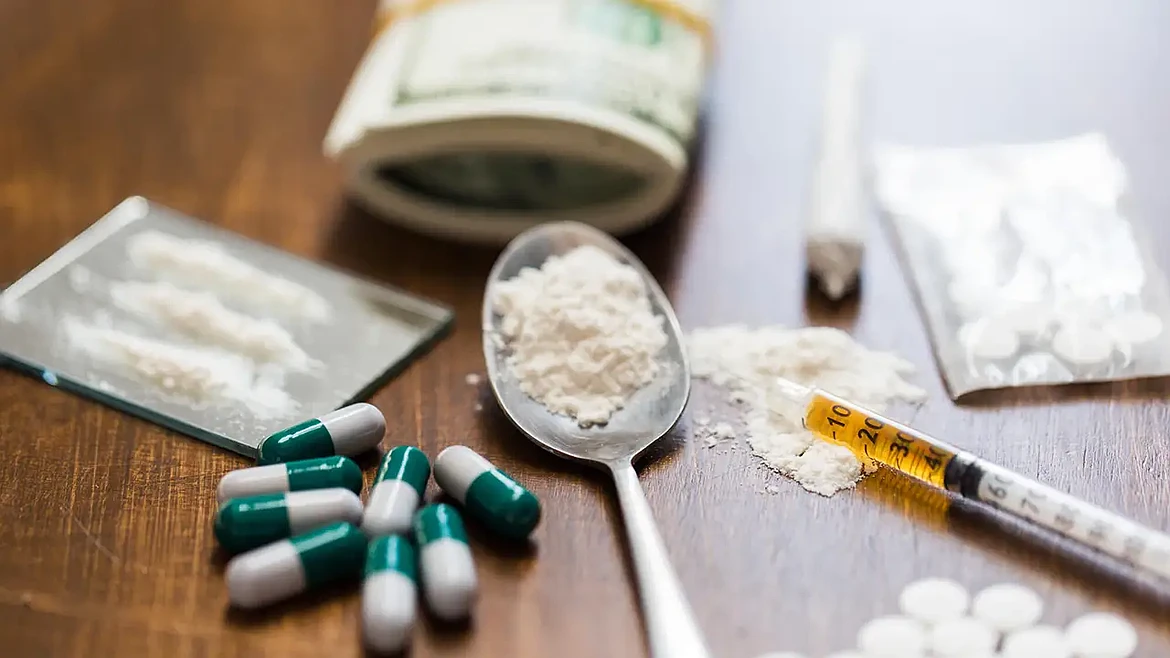
Stress can make it more difficult to break free from negative patterns and substance abuse, but practical ways, including making healthy physical and lifestyle changes, can help. Techniques like mindfulness and journaling can also be effective, and so can healthy distractions.
The need to reduce substance use disorder (SUD) risk is now even more vital, as drug overdose deaths have increased considerably. KFF reported in July 2026 that suicide and substance use mortality rates have risen by almost 40% over the past decade.
If those with SUD and their loved ones understand how strategies like long-term stress management and sustained positive behavior change can help, they're more likely to reduce relapse risks.
What Is Substance Abuse?
Substance abuse refers to the habit of using chemicals or substances in excess or for purposes other than what they're for. Such unhealthy actions can result in physical, social, and emotional harm and destruction.
Substance abuse is the same as SUD, although health and medical experts prefer to use the latter. SUD is now also the term used for official diagnosis in manuals like the Diagnostic and Statistical Manual of Mental Disorders, Fifth Edition (DSM-5).
What Are the Most Common Substances Abused?
In an article dated December 2025, the Addiction Policy Forum noted that as of 2024, 48.4 million people in the U.S. aged 12 or older had SUD. Alcohol use disorder (AUD) affected 27.9 million, while 28.2 million had drug use disorder (DUD). Under DUD are the following specific classes, based on substance type, and their prevalence:
- Marijuana use disorder, affecting 20.6 million
- Opioid use disorder, affecting 4.8 million
- Stimulant use disorder, affecting 4.3 million
How Does Stress Make It Difficult to Break Free From Negative Patterns and Substance Abuse?
Stress can make it hard to break away from negative patterns and substance abuse because, over time, it can alter the brain's chemistry and functionality. The longer a person experiences high levels of stress, the more likely they are to seek reprieve from chemicals.
Alcohol and drugs trigger an artificial "change" in the brain's chemistry, providing temporary relief from stress. They boost depleted supplies of feel-good hormones or neurotransmitters (e.g., dopamine and serotonin) while also numbing emotional distress.
Such reactions mimic a reward response, increasing one's risk of becoming "hooked." From there, a person may develop the habit of turning to these chemicals and substances for immediate stress relief.
Unfortunately, the more a person consumes alcohol or uses drugs, the more damaged the natural neurotransmitter production gets. Cravings also intensify, strengthening the addiction cycle and further raising one's vulnerability to stress.
What and How Positive Daily Routines Can Help Address Negative Patterns and Substance Abuse
Stress almost always gets a bad rep, but if it's manageable and only occurs in the short term, it can help enhance focus, mental clarity, and performance. It can boost motivation and help prepare the body to take on challenges.
Stress isn't completely avoidable, either, but it's highly manageable with tactics like routine building and implementing wellness strategies that replace habits with healthy behaviors. Here are some examples of practical methods and tactics.
Making Healthy Physical and Lifestyle Changes
Making healthy physical and lifestyle changes is a start to replacing stress-induced negative habits that can be a hindrance to one's recovery journey or make them more likely to use.
An example is going for a nature walk or outdoor jog after each long and stressful day. The adoption of physical activity replaces the habit of turning to alcohol or drugs to cope or relieve stress.
As the University of Washington's Nature and Health website explains, spending time in nature helps relieve stress. Research even shows an association between time in nature and:
- Decreased anxiety
- Decreased sadness
- Higher sense of purpose
- Overall wellness
Practicing Mindfulness and Journaling
Mindfulness means being fully aware of and present in one's surroundings and what they're doing. It involves intentionally directing one's attention to a single task or thing, focusing on the present moment rather than thinking about the past or the future.
As for journaling, it's an outlet for self-expression, offering a safe space for recollection and venting. It involves the regular, intentional practice of writing down one's daily:
- Experiences
- Feelings
- Thoughts
- Goals
Making these two a crucial part of stress-busting routines can aid in soothing frayed nerves and calming the nervous system. They help process heavy emotions, and by turning them into daily habits, they can break the painful cycle of relying on chemicals or substances for stress relief.
Engaging in Healthy Distractions
Healthy distractions are intentional activities and behaviors that redirect attention and focus away from stress and cravings toward something more positive. Creative outlets, like drawing and painting, and productive tasks, such as cooking a nutritious meal or baking artisan bread, are some examples.
Frequently Asked Questions
What Are the Signs and Symptoms of Drug Abuse?
Drug abuse often manifests as behavioral changes, such as becoming neglectful of school, work, or home responsibilities. Being more secretive, defensive, and lying can also indicate SUD. Some people who develop AUD or DUD may show undeniable loss of interest and social withdrawal, too.
Friends and loved ones of someone who may have a drug abuse problem should also be on the lookout for physical symptoms, including appetite and weight changes (sudden weight gain or loss) and sleep issues. Self-neglect, such as no longer caring about grooming or personal hygiene, can point toward SUD, too.
Can Substance Abuse Cause Mental Health Disorders?
Yes. Substance abuse or SUD can cause, contribute to, or exacerbate mental health disorders. Indeed, many people in the U.S. have both SUD and a mental illness, also referred to as "co-occurring conditions."
Data published by the U.S. CDC in September 2026 even show that one in three people who died due to an overdose had evidence of a mental health diagnosis. Anxiety, depression, and bipolar disorder are just to name a few.
Break Free From Negative Patterns and Overcome Substance Abuse
Negative patterns and substance abuse can be deadly, which is why breaking free is crucial and should be a top priority for anyone with SUD. From making healthy physical and lifestyle changes to practicing mindfulness, journaling, and healthy distractions, these can all help support long-term recovery.
Keep exploring our site for the latest health and lifestyle guides and coverage of the latest news and current events.
This article was prepared by an independent contributor which helps us continue delivering quality content to our audiences.