
Managing a loved one's property can be overwhelming, but clear agreements simplify the process
Rob McManus | Bonner County Daily Bee | UPDATED 3 weeks AGO
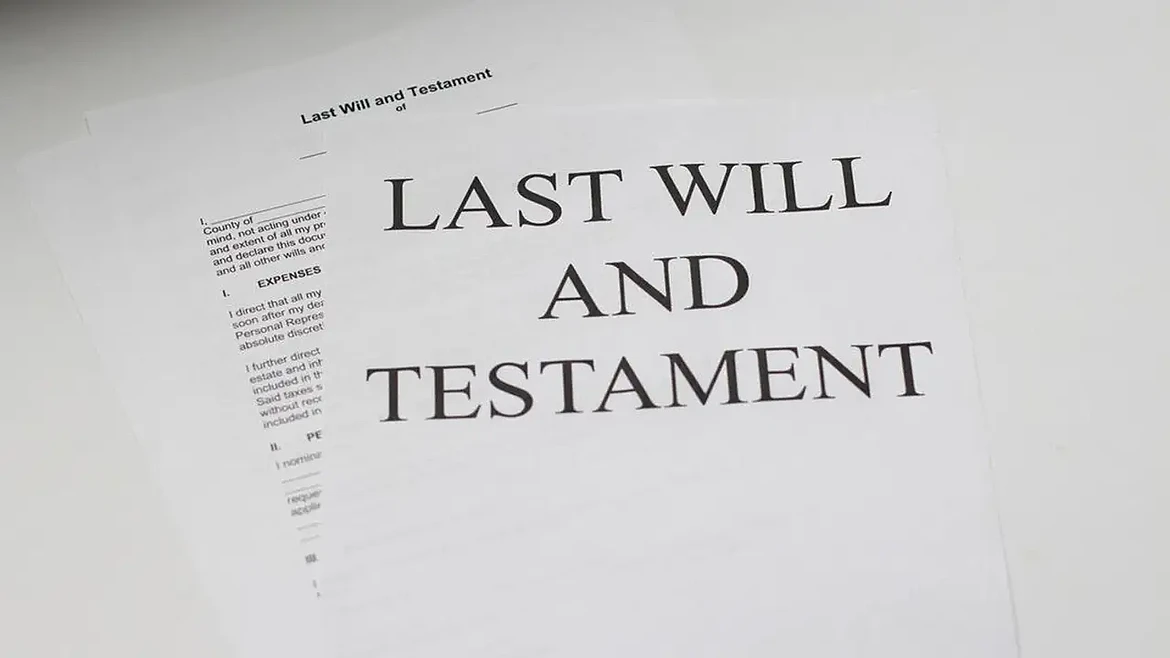
Your loved ones may have a hard time managing your property if you don't leave instructions on how they can use it or share it among themselves. Use family estate planning to decide who pays for specific bills or maintenance. Setting rules for major decisions will also help avoid conflict down the line.
According to Pew Research Center, only 32% of US adults have a will describing what loved ones should do with their belongings and assets after they die. It will be quite hard for your loved ones to manage your property if everyone has a different opinion of what they should do.
Avoid co-heir disputes by creating clear agreements instead of hoping there won't be any issues.
Can I Give My Children Their Inheritance While I'm Alive?
Yes. If you decide to give your children their inheritance while you're still alive, they might have to:
- Pay taxes or deal with gift-tax reporting requirements
- Take on property ownership and related expenses
- Take responsibility for mortgages
It's important to consider your needs, too. Ask yourself if you're ready to give away an asset you still live in or rely on for income. When you consult experts, you'll understand the legal and tax consequences of your decision before you go ahead with the transfer.
Is It Better to Gift a House or Put It in a Trust?
It depends. When you gift your child property, they'll gain control and can make decisions about it. They might also find it hard to maintain it if they don't all live in the same area.
Create a trust if you want to provide more structure. Always give instructions on how to go about:
- Handling future changes
- Distributing assets
- Managing the property
Considering your goals and asking yourself how much control you want to keep can help you choose between the two options.
Simplifying Inheritance Sharing With Family Estate Planning
You shouldn't just write instructions about who receives what when planning your estate. Go through your plan to ensure it won't later cause asset management disagreements.
Decide What Happens if Someone Wants to Sell
Even if you might want your loved ones to keep the property you leave them, some of them might prefer to sell and use the money for something else. Explain how to go about the sale when one of the heirs wants out.
Establishing a real estate buyout process might help keep the property in the family. Other heirs can choose to pay the one who wants out in a lump sum or several installments.
State laws often affect the level of control other heirs get when one of them wants to sell. Researching these can help you answer questions like: Can siblings force the sale of inherited property? You shouldn't just assume the process that works in one state will automatically apply to yours.
Prepare for Co-Heir Disputes
You might think your heirs will automatically get along and make fair decisions about the property you left them. Unfortunately, that isn't always the case. A small disagreement can quickly turn into a huge dispute and damage relationships.
One sibling may believe everyone should split repair costs equally. Another may want the person living in the house to cover more expenses than the rest of them. During estate planning, ensure you specifically create rules about:
- Property taxes
- Insurance
- Repairs
- Utilities
You should also explain who can approve major projects. When you give instructions about property use, everyone will know what to do and what to avoid.
Get Probate Guidance Before Problems Start
Estate administration can be complex if you have debt or are planning to transfer the property earlier on. Don't wait until problems start to look for help. Get probate guidance so your entire family will know what happens to your assets after your death.
You can have a meeting with a professional when everyone is around and explain ownership rights. Mentioning the solutions they may have during disputes also helps your loved ones prepare mentally.
Prepare for Trust Administration
A trust will help organize property after your death. You'll still need someone to manage it, and it's important to pick someone who will be able to handle:
- Paperwork
- Making property decisions
- Facilitating communication amongst your heirs
- Working with attorneys and other people involved in the estate
Your trustees shouldn't struggle to find important documents when they need them. Make the property deed accessible and share insurance information with them.
Providing the mortgage documents, too, can make it easier to keep up with the payments to avoid losing the property.
Frequently Asked Questions
How Should I Divide Personal Belongings Among My Children?
You can make them a part of your child's inheritance. Leave instructions about how you want your loved ones to share sentimental items amongst each other.
If you have valuable collections, you might divide them or give them to the person you feel will value them the most. Once your trustees locate these items, they won't struggle to determine who should receive what.
Do I Need to Tell My Children About My Estate Plan?
Not really. Talking about your general wishes can prevent surprises later on. However, you don't have to go into detail about things like how much money you have in your account.
When you have a basic conversation, you'll also give your children room to ask any questions they might have. It can even help you identify issues you haven't addressed in your estate plan.
Can I Leave Property Directly to a Grandchild?
Absolutely. Ask yourself if your grandchild is currently in a position to manage what you want to leave them. It might be better to create a trust instead.
Inform your estate planning lawyer about your plans before you make any decisions. They'll help you pick an arrangement that protects your grandkids' future and still work well with the rest of your plan.
Navigating Estate Planning Better
Taking the time to do family estate planning avoids conflict, and it can allow your loved ones to manage your property better. Don't assume they'll automatically know what to do once you pass.
Leave clear instructions and get legal guidance so you can make informed decisions. Browse the latest Bonner County news on our page.
This article was prepared by an independent contributor which helps us continue delivering quality content to our audiences.