
Discover how material handling equipment helps local businesses expand their warehouse operations
Rob McManus | Daily Inter-Lake | UPDATED 2 weeks, 5 days AGO
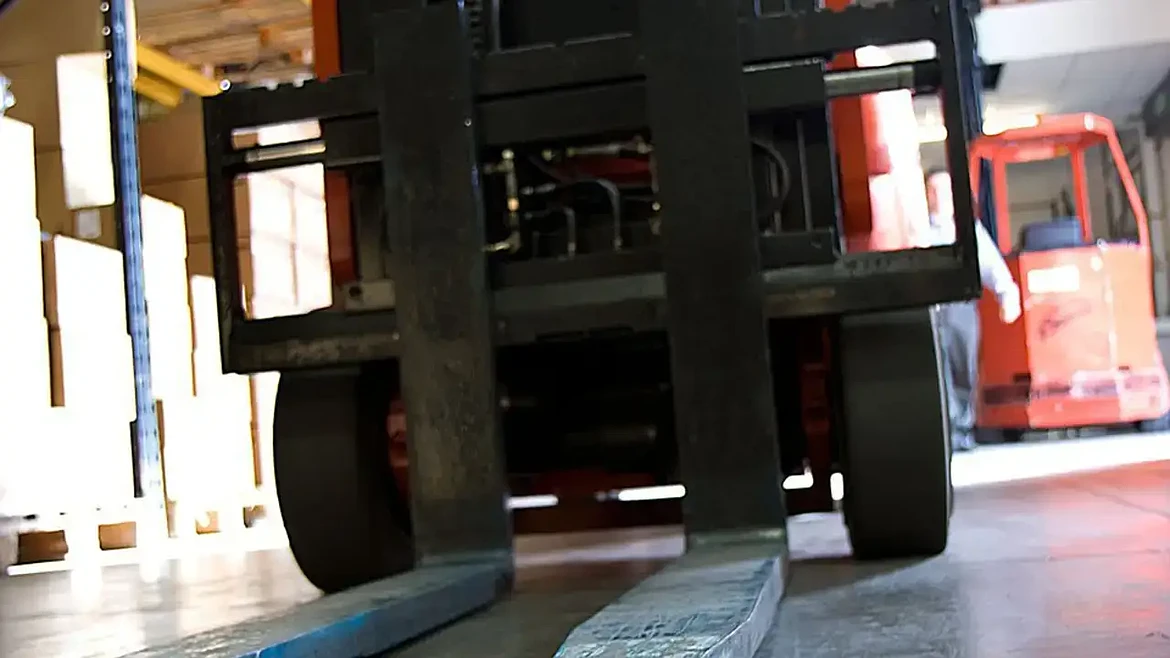
When you have the right material handling equipment in your business, you'll be able to handle more products better and maximize the available space. Protect your workers from straining by simplifying their work. Handling more inventory becomes so much easier once you get the equipment your warehouse needs.
According to the US Bureau of Labor Statistics, the warehousing and storage industry recorded 4.8 nonfatal injury and illness cases per 100 full-time workers. You should have efficient equipment to help your employees handle heavy and hazardous products to avoid such cases.
Applying warehouse safety practices can make them more productive, and it allows your business to grow.
What Is Meant by Material Handling?
Moving, storing, protecting, and controlling goods. You shouldn't just focus on moving goods from one point to another. Try to ensure all of these processes are safe, including:
- Unloading deliveries
- Moving pallets
- Placing products on racks
- Preparing shipments
Which Material Handling Equipment Do I Need?
It depends. The kind of equipment you need in your warehouse might be completely different from what another business needs. Most warehouses often have:
- Transport equipment
- Lifting equipment
- Storage systems
You can check out SIP Industrial Equipment and Services to compare your options. Ensure you pick solutions that actually match your workflow so you don't waste resources.
Improving Safety and Efficiency With Material Handling Equipment
When expanding your warehouse, you shouldn't focus on renting more floor space or adding more shelves for material storage. It's important to ensure you have a safe and efficient way to move the inventory.
Increase Storage Capacity Without Adding Floor Space
Renting more warehouse space as your operations grow will quickly become quite expensive. Look for equipment to help you maximize the available space instead.
If you want to expand your vertical storage, use racking systems. You can then stack items using forklifts. You'll be able to store more inventory in your warehouse without reducing the aisle space employees and equipment need to move around.
Always choose racks that can handle the weight of your products. Keeping heavier loads on the lowest or middle shelves is often a smart move. It improves stability and reduces the risk of an injury in case things fall.
Move More Inventory With Less Manual Work
How many times do your workers walk across your warehouse carrying boxes that they could easily move with equipment? If they spend a lot of time moving heavy or bulky items, they're highly likely to get muscle strain injuries.
They might miss work to recover, which will lead to additional costs since you have to hire people to stand in for them.
If employees are now making more trips across your warehouse than they did a few months ago, it's time to support them better. Material handling equipment will help them reach things in high areas and move them in less time.
They can also arrange inventory much faster and have spare time for other tasks. Don't just get your team new equipment without offering the right training. Covering topics like forklift safety helps everyone know how they should use different machines to avoid causing injuries or damage.
Speed up Loading and Unloading
Your warehouse will look disorganized if deliveries arrive faster than workers can unload them. You need to speed up the process to avoid product mix-ups. Once you get forklifts, you can use them to move palletized products from trailers to designated storage areas.
Having pallet jacks also simplifies movements. Let your employees know the maximum amount of time they can leave deliveries in the loading areas before arranging them. Share the delivery schedule with them so they can plan their work well.
Support a Growing Workforce
Even if hiring more employees can solve some of the material handling issues you're facing, it isn't a long-term solution. Their productivity will be low if they have to:
- Navigate crowded aisles
- Learn how to follow inefficient manual processes
- Struggle to find the industrial equipment they need to handle materials
After you invest in the right equipment, your existing workforce will be able to handle more work without unnecessary steps.
Strengthen Supply Chain Management
The activities going on in your warehouse are most likely connected to other parts of your supply chain. Once suppliers send inventory, employees will then:
- Store it
- Move it to the packing area after clients place orders
- Load items for deliveries
Ensure your material handling equipment helps you simplify each of these steps. When employees working in all these departments have the right tools, they can support each other's work. They'll also avoid delays.
Frequently Asked Questions
Can Material Handling Equipment Help During Seasonal Demand?
Yes. Your workers don't always have to rush their work during busy periods and risk making mistakes. Handle seasonal spikes without overwhelming them by getting the right equipment.
Don't wait until you notice mistakes or get negative feedback to act. Coming up with a reliable seasonal planning strategy will help you make the most out of peak demand.
When Should I Replace Warehouse Equipment?
Replace it if your current equipment keeps breaking down. It might not be efficient to keep using the same equipment you had when you were running a small warehouse. Consider upgrading as your operations expand.
Doing so can avoid safety issues, and it also allows you to handle your workload with less stress. Don't keep using equipment with damaged parts since it puts your employees at risk.
How Can Businesses Reduce Warehouse Congestion?
Identify the areas where you often deal with congestion and look for the best solutions. Moving equipment to the sections where employees often use it can clear up space in other areas.
Consider designating specific areas for each task instead of using the same space for receiving, storage, and shipping. Once you separate them, your warehouse will look more organized. There will be enough space for your equipment to move around, too.
Support Your Growing Warehouse Operations
Material handling might become very stressful if your operations grow before you get the equipment you need. Invest in forklifts to maximize your floor space instead of spending more money on extra space.
You should also keep your workers safe by offering them the training they need to use new machines. Explore more business growth insights on our page.
This article was prepared by an independent contributor which helps us continue delivering quality content to our audiences.