
What that strange taste in your tap water might be trying to tell you
Nicole Melchionda | Bonner County Daily Bee | UPDATED 2 weeks, 2 days AGO
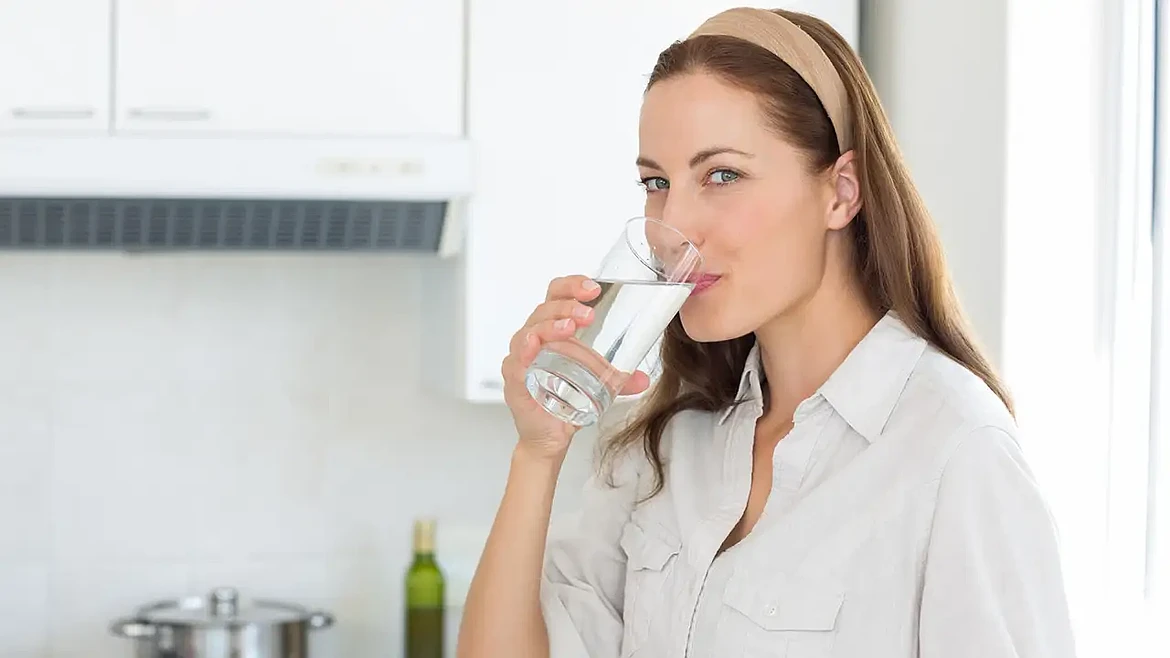
A peculiar taste in your tap water might be due to anything from disinfectants and dissolved minerals to corrosion, sediment, or even changes in the water source. An unusual flavor doesn't always mean your water quality is unsafe, but a sudden or lasting change can signal something else.
It's an unfortunate fact that water can pick up different tastes as it travels through treatment systems, distribution lines, and so on. Mineral-rich water may taste chalky or slightly bitter, for instance. Pinpointing when the taste appears and whether it affects every faucet can provide useful clues.
What Can the Cause of a Metallic Taste in Tap Water Be?
A metallic flavor is one of the more common complaints about drinking water, and several different causes can lead to it. The following can all contribute to a metallic taste:
- Iron
- Copper
- Manganese
- Zinc
- Corrosive water
Copper and iron usually cause metallic flavors, while corrosion can allow metals from household plumbing to enter the water.
Water that tastes metallic only after sitting in a faucet or pipe for a few hours or so may point toward the plumbing rather than the municipal supply. There's no denying that older pipes and fixtures can release metals into water, especially when water chemistry encourages corrosion.
Iron can create both rusty colors and sediment. Copper may lead to blue-green staining. Manganese can contribute darker discoloration and a particularly bitter metallic taste.
Why Does My Water Taste Salty, Bitter, or Like Chemicals?
A salty or slightly bitter tap water taste can be associated with several dissolved substances. Examples include the following:
- Chloride
- Sulfate
- Elevated total dissolved solids
Chloride and sulfate can contribute to briny flavors, but higher total dissolved solids are more linked to hardness, deposits, and staining, as well as an unusual taste.
Hardness itself isn't necessarily a sign that water is dangerous to drink. Calcium and magnesium are natural hard water minerals, and water with substantial amounts of them can leave scale on the following:
- Faucets
- Showerheads
- Kettles
- Other equipment
A chlorine-like flavor is yet another possibility, particularly in treated municipal water. Disinfectants are intentionally used to control harmful microorganisms, so detecting some chlorine odor or taste doesn't always mean there's a contamination.
Water quality can also vary because of changes in everything from treatment and source water to distribution conditions.
A BOROUX countertop water filter is considered a convenient point-of-use option for people who want to filter drinking water at the kitchen counter.
Should I Test My Water If It Has a Weird Change in Taste?
A sudden change is a solid reason to investigate. People using private wells have an extra reason to take changes seriously because federal regulations that apply to public drinking water systems don't cover private ones.
For private well owners, well water testing and plumbing maintenance are particularly vital.
Water Quality Is Important for Taste and Safety
While a funny taste in your water doesn't necessarily mean that your water quality is hazardous, it's a good idea to take a closer look. By running the right tests, you can decide whether to invest in sediment filters if necessary.
Residents know that they can always come to us for the latest news, tips, and more. We post quality content regularly, so be sure to subscribe now to avoid missing out later.
This article was prepared by an independent contributor which helps us continue delivering quality content to our audiences.