
Stress-free weekend getaway setup tips for first-time caravan travelers
Cristal Dyer | Hungry Horse News | UPDATED 1 week, 5 days AGO
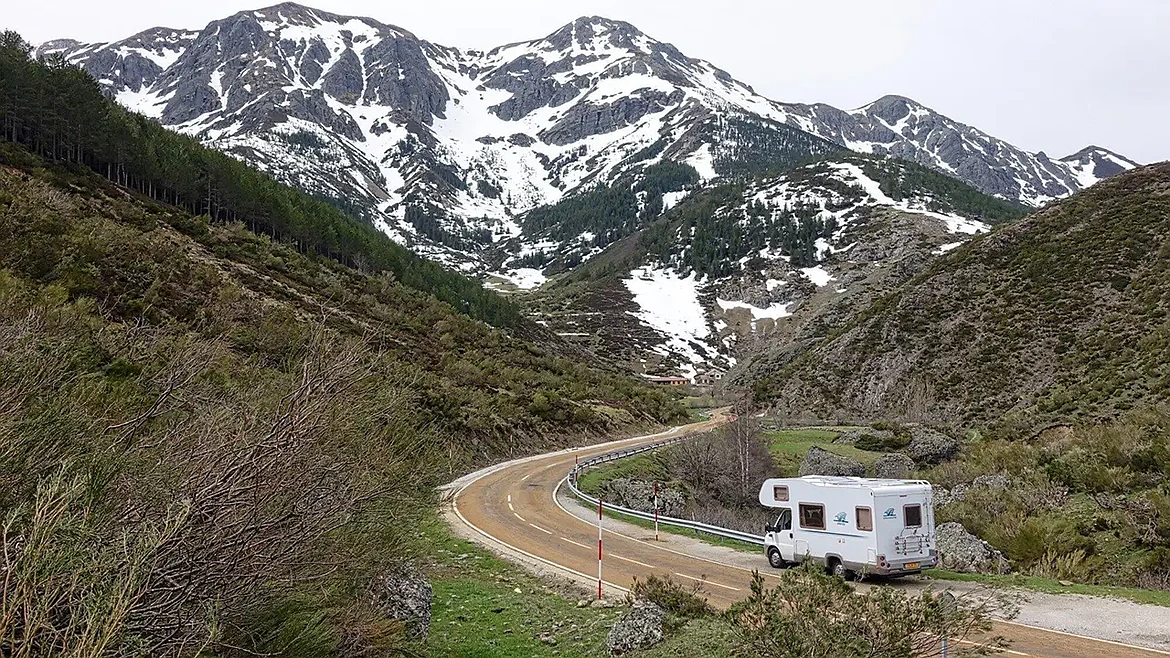
A stress-free caravan setup rests on three habits: practice your routine at home first, arrive with two to three hours of daylight left, and follow one setup sequence every time (position, level, chock, unhitch, connect utilities, then unpack outdoor gear last). Get that order right, and the rest is straightforward.
The National Park Service logged a record 13 million overnight stays in 2025, even during the longest government shutdown on record. Many of those overnight guests are caravan travelers pulling in for the first time, and first-hookup nerves fade fast once you have a system you trust.
What Should You Do Before You Leave Home?
Good beginner caravan advice always starts before you ever leave your driveway. A short trial run at home can save you a lot of stress later.
Try hitching, towing, and parking in a quiet lot first, so the real trip feels familiar instead of new. Pack light, and put heavier items low and near the axles for better balance on the road.
It often helps to build a small kit of mobile living essentials that stays in the caravan year-round, things like a first-aid kit, basic tools, and a torch. That way, you only need to add food and clothes before each trip, which saves time.
Check your tires, lights, and hitch connections, too, since these safety basics really matter more than most people expect. A dashboard note with your caravan's height can save you from a nasty surprise at a low bridge, too. Downloading offline maps helps, especially for areas with patchy phone signal.
Smart Driving and Timing Tips for the Road
Driving a caravan feels different from driving alone, so slow down and give yourself more room. Corners take longer to clear, and stopping distances grow quite a bit with the extra weight behind you.
Wide mirrors help you see around the caravan's extra width, and it's worth checking them before you pull out of the driveway. Wind and rain make the caravan sway more than expected, so easing off the pace helps even more in bad weather.
Try to reach your site two or three hours before sunset, if you can. That way, you set up in daylight instead of fumbling around with a torch after dark.
How Do You Set Up Your Caravan Site Without the Stress?
Caravan park setup gets much easier once you follow one order every time. First, park with your door facing where you want it, and think about your awning space and access to power and water. Level the caravan with a small spirit level, then lower the corner steadies onto solid pads so it doesn't rock.
Chock the wheels before you unhitch, and only then disconnect the tow vehicle, just to be safe. Typically, you connect the electric cable to the caravan first, then the water and waste hoses, checking for leaks as you go.
Now you can unpack chairs, tables, and outdoor gear, once everything else is secure. CARAC and similar caravan accessory retailers often stock jockey wheels and leveling gear, if yours needs replacing before a trip. Most caravan parks post their site rules at the office, so it's worth a quick read when you check in.
A few signs tell you the caravan still isn't sitting level, and it helps to catch these early:
- A door that swings open or shut on its own
- Water pooling on one side of the shower tray
- A marble or ball rolling across the counter
- Drawers sliding open on their own
Comfort and Convenience Hacks for First-Time Caravan Travelers
Comfort comes down to a few small habits and the right camping accessories. Many first-time caravan travelers pack too much and organize too little, and that's often where the stress creeps in. A handful of simple additions can make a huge difference to how the caravan feels inside.
Family camping trips especially benefit from a bit of extra organization, since kids tend to add mess fast. Labeling storage bins by category makes packing up almost automatic by the second trip.
A few items are worth keeping on hand:
- Anti-slip mats for cupboards, drawers, and the floor
- Sticky hooks and small bins for loose gear
- A doormat and hand wipes near the entrance
- A small repair kit with tape, cord, and a multi-tool
- Solar lights that need no extra setup
Evening Wind-Down and Departure Prep
Evenings on caravan trips run more smoothly with one simple habit: cleaning as you go. Wipe counters, store food, and tidy outdoor gear before bed, so mornings feel calmer.
It really helps to secure the awning and check the weather forecast before you turn in, too. Pack dirty clothes in a bag, set wet shoes by the door to dry, and do one last walk around the site to catch anything you might leave behind.
Frequently Asked Questions
How Much Daylight Do You Really Need to Set Up?
Most first-time caravanners actually do fine with about an hour of daylight for a simple site. If you are still learning to level and hitch, though, give yourself closer to two hours so you are not rushing.
What Is the Safest Way to Reverse Into a Tight Site?
Get out and look at the space before you start backing in, every single time. A partner guiding you from outside the caravan, using simple hand signals, tends to work better than shouting directions through a window.
Do You Need Special Insurance or a Permit to Tow?
Most regular driving licenses cover towing a small caravan, but weight limits vary by state, so it is worth checking your local rules first. Caravan-specific insurance is optional in many places, yet it typically covers things a standard car policy leaves out, like the caravan's contents.
Setting Up With Confidence
Every calm caravan weekend comes down to the same three habits: a short trial run at home, an early arrival with daylight to spare, and one setup sequence followed in the same order every time. Handle those basics, and the trip-day stress that catches so many caravan travelers off guard on their first outing mostly disappears, leaving more room for the reason you packed the van in the first place: slowing down and enjoying the site you chose.
For more guides like this, explore the rest of our site.
This article was prepared by an independent contributor which helps us continue delivering quality content to our audiences.