
Bring home a native plant and help our community bloom
Columbia Basin Conservation District contributed column | Columbia Basin Herald | UPDATED 1 week, 3 days AGO
This fall, our community will have an opportunity to learn more about native plants and take some home at the Tapteal Native Plant Pop-Up on Oct. 11 in Moses Lake. The first 50 attendees will receive a free native plant, generously donated by BFI Native Seeds.
The Columbia Basin Conservation District (CBCD) team will be at the Native Plant Pop-Up to help answer questions and share ways residents can make their landscapes more water-wise and wildlife-friendly. We’ll have information about our Urban Water Efficiency Program, the Heritage Garden Program and the Shoreline Nutrient Assessment Program, which helps residents identify ways to reduce nutrients and runoff reaching Moses Lake.
There are plenty of other reasons to make a morning of it. Grab a coffee, explore the nursery and gift shop, and see what plants might be a good fit for your yard. If you ordered plants from Tapteal Native Plants, you can pick up your order at the event. If you didn’t order ahead, you can still shop for native plants and find something new to bring home.
Why native plants?
Native plants are adapted to the climate, soils, and growing conditions of our region. For residents, that makes them a practical choice for creating beautiful landscapes while conserving water and providing valuable food and habitat for local wildlife and pollinators.
If you’re wondering where to start, here are two native plants worth getting to know.
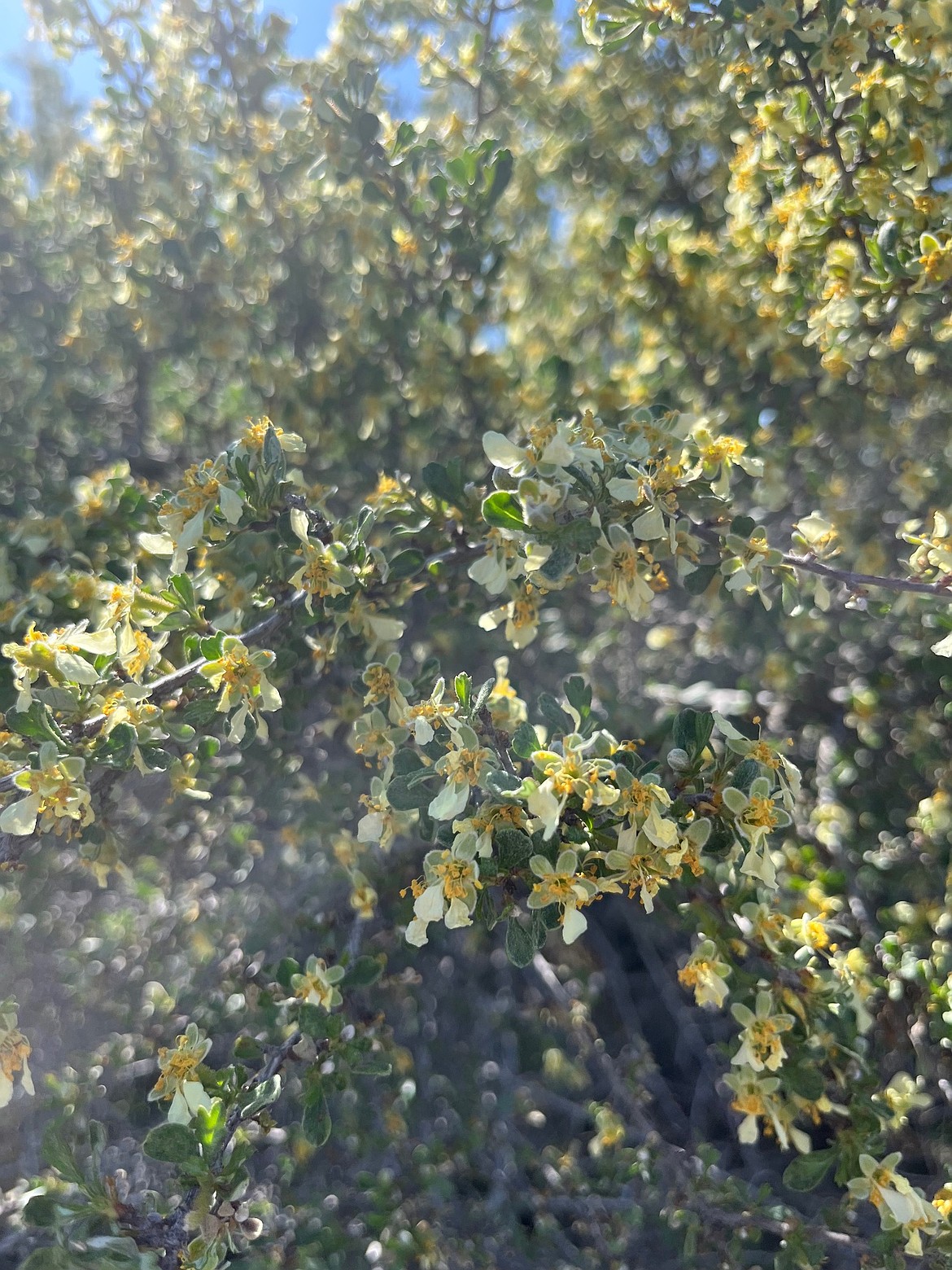
One native shrub you may already see around the Columbia Basin is antelope bitterbrush (Purshia tridentata).
Covered in beautiful flowers in the spring, bitterbrush can be an attractive focal point or a start to a windbreak. It is also valuable to wildlife, providing forage for animals such as antelope and deer, seeds for rabbits and birds, and nesting cover.
Once established, bitterbrush is exceptionally drought-tolerant and requires no supplemental water. It can reach around seven feet tall, making it a great option for those back corners of the yard where you want something you can forget to water.
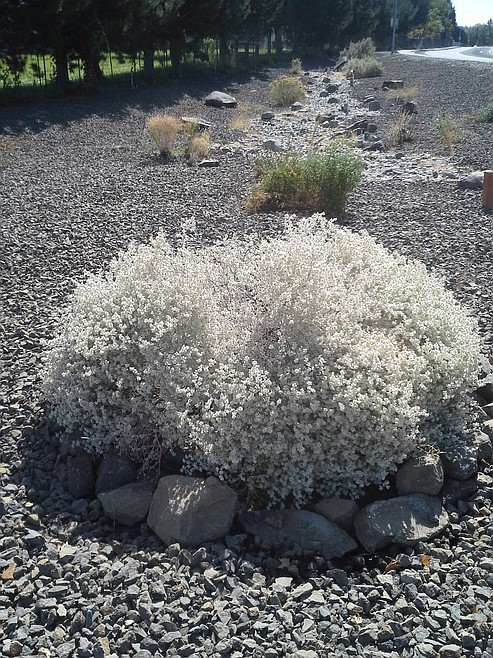
Another underrated native is snow buckwheat (Eriogonum niveum), a compact woody subshrub with distinctive silvery foliage.
Snow buckwheat does need additional water for establishment and brings unique color and texture to a landscape with very little maintenance. It is also hardy for our beginning native gardeners and, in my opinion, is easier to grow than a cactus!
But one of our favorite things about it is when it blooms. Snow buckwheat is one of our native plants that provides flowers later in the growing season, when fewer other plants are blooming. Those late-season flowers provide an important food source for pollinators as they prepare for winter.
Start small
Adding native plants to your yard doesn’t mean you have to completely change your landscape. A few native flowers mixed into an existing garden, a native shrub near your home, or a small garden bed can all make a difference.
In fact, you only need five native plant species to qualify for certification through CBCD’s Heritage Garden Program.
So bring a friend, grab a coffee, and come see what’s growing at the Tapteal Native Plant Pop-Up. To learn more about native plants, visit www.columbiabasincd.org.
Tapteal Native Plant Pop-Up
10 a.m.-1 p.m. Oct. 11
Crab Creek Nursery
801 N. Stratford Road
Moses Lake
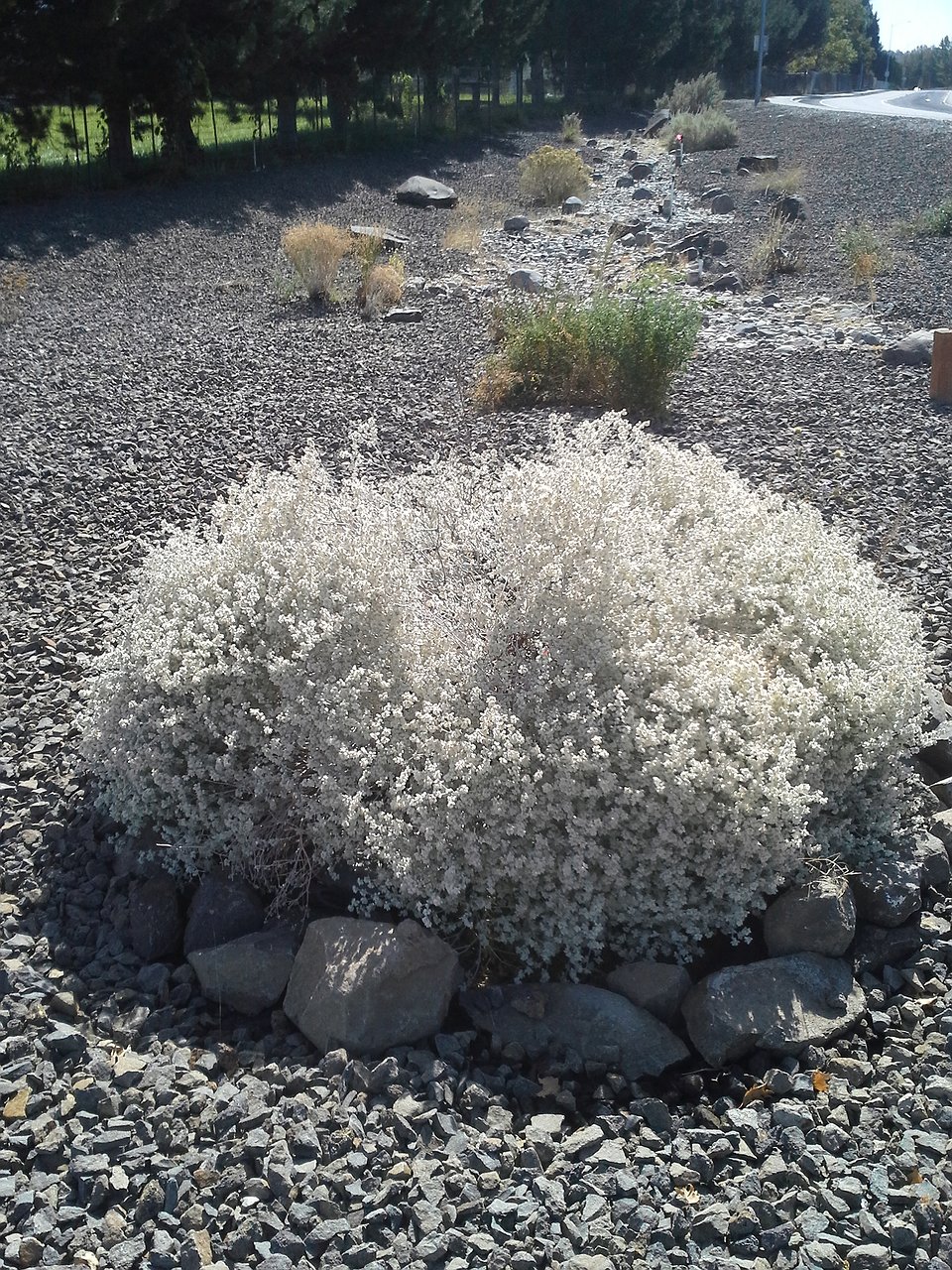 Snow buckwheat is a tough plant that's great for beginning gardeners.