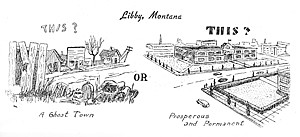
Over the past four weeks, I have written about Libby and the severe economic challenges confronting it. Not wanting our community to forget what once was possible here, I included a brief synopsis of Libby’s once lively and progressive natural resource-based culture and economy.
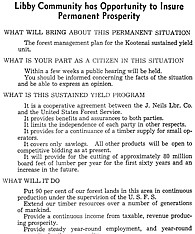
From its inception, the United States Forest Service operated under a general guideline of “the greatest good for the greatest number.” It considered itself an agency that nurtured the lands it controlled and the many communities enveloped by the United State’s forests.
Through its roughly 120 years of existence, Libby has seen three economic transformations. First, following its founding as a new town built near the just-arrived Great Northern Railroad, mining and the search for the ever-elusive mother lode occupied the energies of Libby’s early pioneers.