
EPA says CFAC cleanup will protect water supply
CHRIS PETERSON | Hagadone News Network | UPDATED 4 years, 7 months AGO
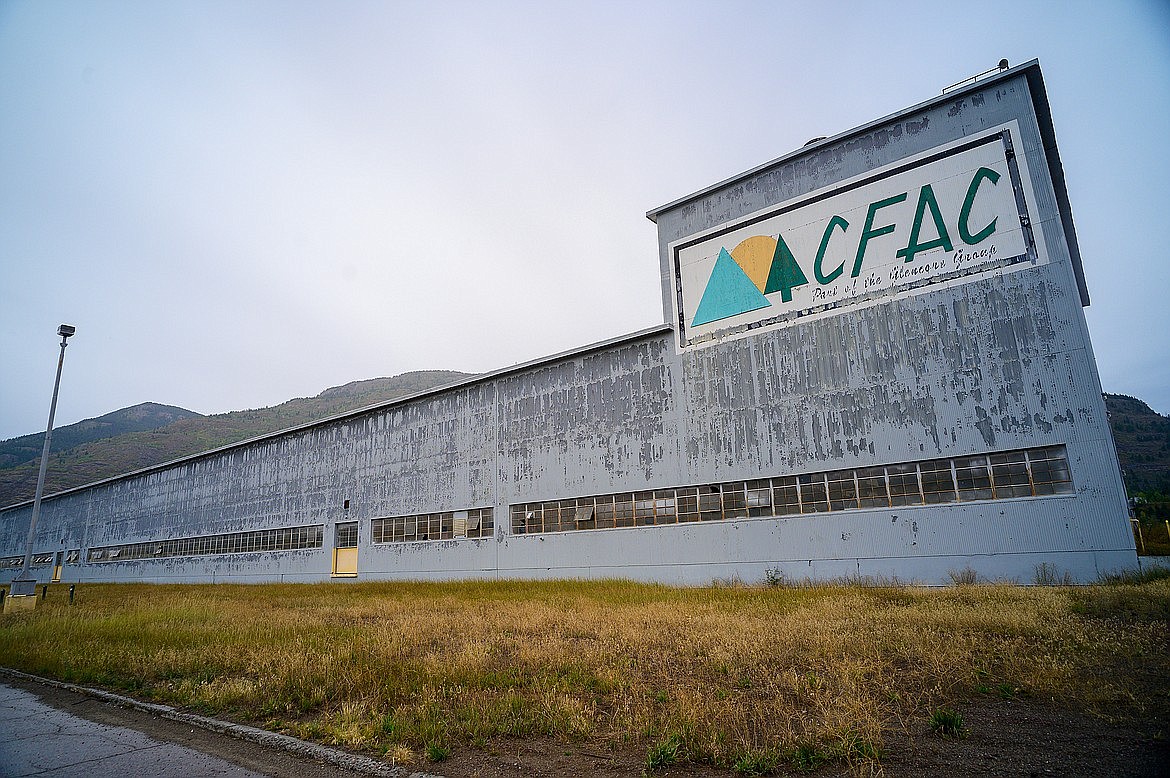
The defunct Columbia Falls Aluminum co. plant is seen in this file photo. (Hungry Horse News)
Chris Peterson is the editor of the Hungry Horse News. He covers Columbia Falls, the Canyon, Glacier National Park and the Bob Marshall Wilderness. All told, about 4 million acres of the best parts of the planet. He can be reached at [email protected] or 406-892-2151. | March 8, 2022 11:00 PM
Officials from the Environmental Protection Agency met via Zoom last week with the Columbia Falls City Council to give an update on where the agency is with its end of the Columbia Falls Aluminum Co. Superfund cleanup plan.
CFAC in 2021 released a remedial investigation and feasibility study that suggested a cleanup plan that would consolidate and contain waste at the plant through the use of a “slurry wall” that would contain waste leaking out of old landfills, dumps and ponds. That plan has a price tag of about $57 million.
Since then, progress has languished, as the EPA hadn’t hired a contractor to examine CFAC’s investigation and devise the agency’s final proposed action for cleanup.
“Our goal is to have a contract in place (in March),” outgoing project manager Ken Champagne said.
The EPA named a new project manager — Amanda Bartley — who will take over the oversight of the project.
The proposed action should be completed later this year and will then go out for public comment.
“We will ensure the alternative will protect the city’s drinking water,” Bartlett said.
But city leaders have already expressed displeasure with the feasibility study, because it leaves contaminants like fluoride and cyanide onsite, but simply contains them behind the wall. They want the waste hauled away to an approved landfill.
The feasibility study rejected that option, saying it was not only far more expensive, but could potentially release contaminants in town, as the soils could fall off trucks en route to a landfill.
Councilman Mike Shepard also openly wondered why more testing of soils wasn’t done outside of the footprint of the plant.
He was concerned about carbon waste from the plant, which was buried onsite, but often blew in the wind across town when the plant was operational.
EPA officials said some testing was done offsite.
“We don’t have any information that offsite testing is needed,” Champagne said. But officials added that they would be willing to investigate it further.
The cleanup plan should see a record of decision next year, which, in short, finalizes the cleanup plan.
It will then take about another six years to design and implement an actual cleanup.
It’s already taken a long time to get to this point. The site was place on the Superfund National Priorities List in 2016.
CFAC isn’t the only responsible party when it comes to paying for cleanup, either.
Last summer, Missoula District Court Judge Donald Molloy ruled that the Atlantic Richfield Co., the former plant owner, is responsible for 35% of future cleanup costs and about $4.3 million in costs CFAC has spent to date.
ARTICLES BY CHRIS PETERSON
If Pursuit gets permit to cross BPA power lines, it would be a first for the administration
If Pursuit is successful in securing the permits and building a tram up Columbia Mountain, it might be the only structure of its type that transports humans over Bonneville Power Administration transmission lines, a BPA spokesman noted last week.

Mountain goat study results in changes to rivers plan
Glacier National Park has been examining the movements of mountain goats and whether recreational use of the Middle Fork of the Flathead River is having an impact on them.
Man faces charges for shooting incident
A Hungry Horse man has been charged with allegedly shooting at a neighbor on Sept. 29.