
Dementia at home
CHERYL SCHWEIZER | Hagadone News Network | UPDATED 2 years, 2 months AGO
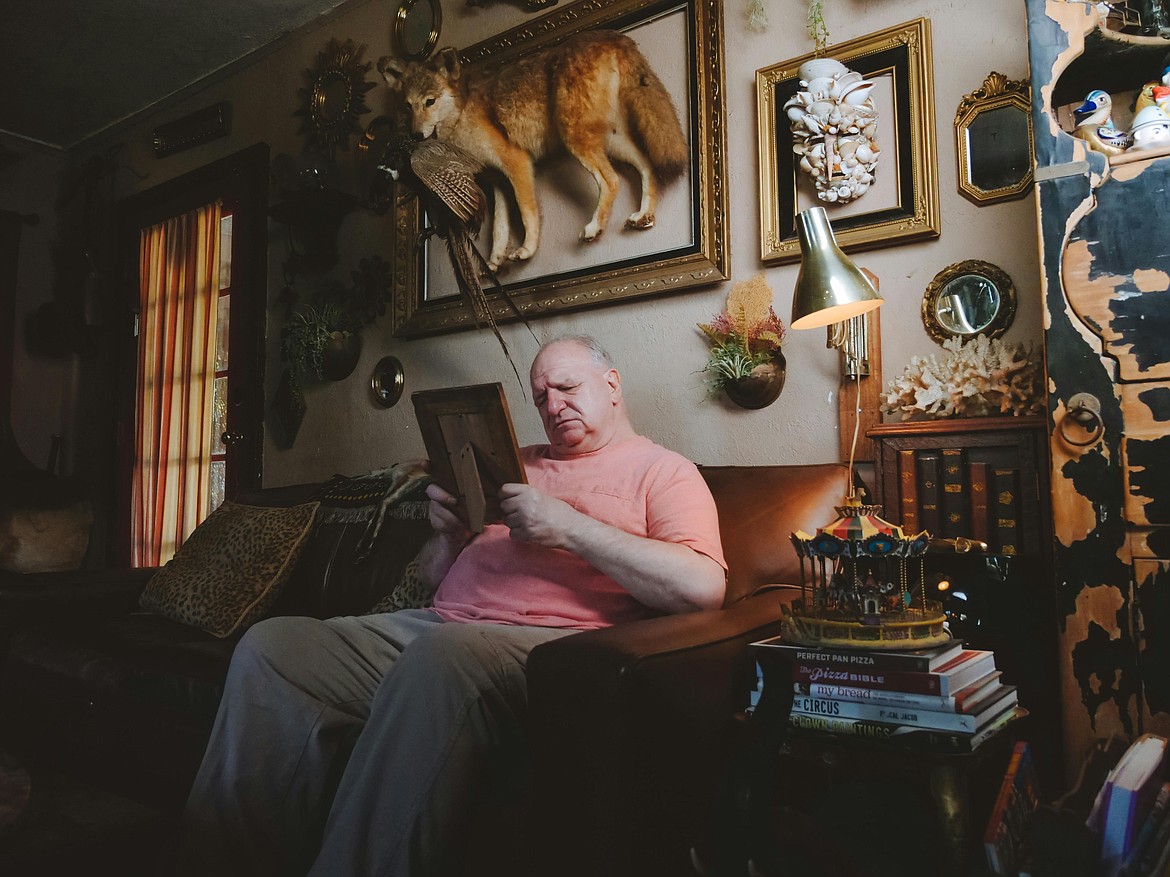
Dementia and conditions like Alzheimer's Disease can cause physical mobility and other safety issues. Planning ahead for the course the condition takes can help relieve stress and prevent injuries.
KINDEL MEDIA
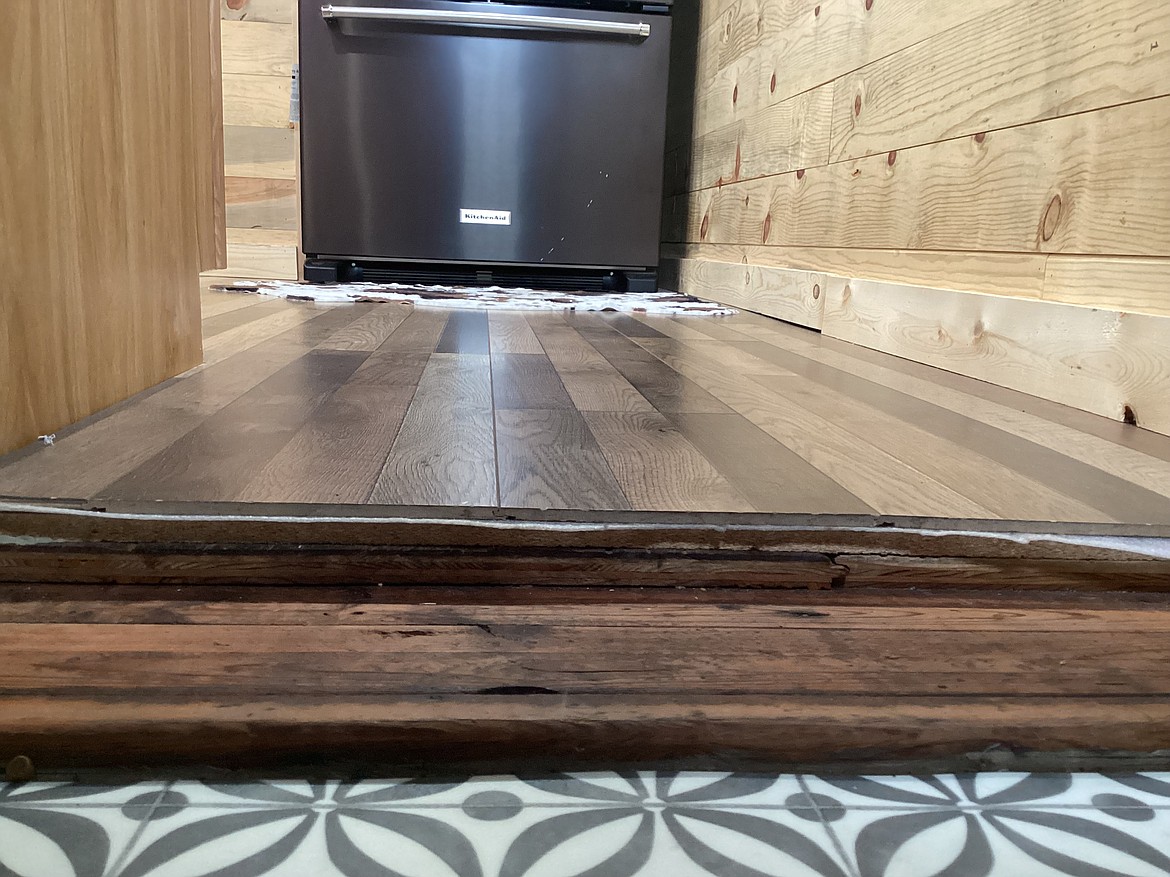
An uneven floor could cause a hazard for residents with dementia. It’s one of the things people should look for when evaluating a home to make it less hazardous for a dementia patient.
Senior Reporter Cheryl Schweizer is a journalist with more than 30 years of experience serving small communities in the Pacific Northwest. She began her post-high-school education at Treasure Valley Community College and enerned her journalism degree at Oregon State University. After working for multiple publications, she has settled down at the Columbia Basin Herald and has been a staple of the newsroom for more than a decade. Schweizer’s dedication to her communities and profession has earned her the nickname “The Baroness of Bylines.” She covers a variety of beats including health, business and various municipalities. | June 28, 2024 3:00 AM
MOSES LAKE — A dementia diagnosis is a tough thing to hear, and it changes things all around the patient. Those changes extend all the way to how a patient’s home is arranged.
“Most homes are not designed with the needs of someone living with dementia in mind,” wrote Jennifer Reeder, director of educational and social services for the Alzheimer’s Foundation of America.
Karisti Cox, community resource director for Summer Wood Alzheimer’s Special Care Center in Moses Lake, said the progression of the disease means the response of family and patient will change over time.
“There are several different stages (that) require different approaches on things,” Cox said.
There are things families should think about immediately, Cox said, starting with legal arrangements.
“This is the first thing you should do, the moment you suspect (dementia) is, go appoint someone to (have power of attorney) over everything,” Cox said. “Because once you are diagnosed with dementia, you are now considered to be incapable of making decisions.
“That person that has the POA does not have to use it, but at least get it put into play,” she added. “Once you have that established, then go get diagnosed so that you know what kind (of dementia) you have. Because that’s going to tell you what your roadmap looks like.”
Cox said that while all cases of dementia have similarities, symptoms will be different for each person. Families need to take that into account when thinking of a safety plan.
“We have this concept that what it is, is that you’ve lost your memory. And it’s not just that you’ve lost your memory, it’s that it also alters your ability to do daily activity,” Cox said.
The National Institute on Aging has published a checklist of home safety tips for families of dementia patients, and it includes installing door alarms.
Cox said that becomes more important over time.
“As their disease progresses, (dementia patients) get very active at night time. They get their time frame confused. All of that gets distorted — what time is it? What day is it?” she said. “So having some sort of alert on the doors so that if they do get up, (caregivers) can be alerted.”
Cox suggested installing a whiteboard and keeping track of daily activities on it.
“Only put information on there that’s absolutely pertinent,” she said. “What is today’s date? If there are any sort of activities that (the caretaker) might be doing. If they have a doctor’s appointment, it’s good to put (that information) on so they can see it.”
The Alzheimer’s Association suggests that people do a walkthrough of the house, checking for safety hazards. Those can include things like tools and cleaning supplies.
The AFA suggested that people take advantage of technologies that can help make it easier to manage a home. Smoke detectors and carbon monoxide alarms can be checked remotely, and can be programmed to talk. Talking alarms can alert people to the location of a fire or elevated carbon monoxide levels. People should check them periodically to make sure they’re in working order. They should be installed in or near the kitchen and around all bedrooms.
Thermostats also can be controlled remotely; some dementia patients have trouble telling the difference between heat and cold. Video doorbells enable caregivers to get notifications if someone is entering or leaving the house, and talk to them through the doorbell.
People should have — and periodically check — fire extinguishers. Automatic fire extinguishers are available that attach to the hood of a stove and dispense baking soda.
Part of evaluating a house is removing clutter and the potential for falls, the AFA wrote. Falls are the leading cause of death for adults 65 years of age and older, and dementia can affect a patient’s balance and gait. Bathroom rugs should have a rubberized backing to reduce the potential for slipping.
Cox said dementia can affect a patient’s sight and hearing, and the AFA suggested adding contrasting colors to floors, walls and furniture to help people navigate.
There are small adaptations that can make a substantial difference, the AFA said. People can install floor-level night lights with motion sensors to light up hallways and floors. Bedrooms, the kitchen, other spaces around the house should have a night light.
The sharp edges for furniture and counters should be covered with rubber corners, and grab bars in showers and around the toilet will help in movement. Locks should be removed from the bathroom door so the patient can’t get locked inside.
Childproof door latches should be installed on storage cabinets with breakable or dangerous items, and any drugs, prescription or over-the-counter, should be stored in locked cabinets. Family members should store a key outside the house so they can get inside. Indoor locks should be removed, so patients don’t lock themselves in a room.
Cheryl Schweizer can be reached via email at [email protected].
HOME SAFETY CHECKLIST:
SOURCE: CENTERS FOR DISEASE CONTROL AND PREVENTION
- Ensure stairs aren't used for storage which can cause trip hazards.
- Make sure steps aren't loose or uneven.
- Make sure stairways are well-lit and have switches available at the top and bottom of the steps.
- Ensure carpet on stairways is firmly attached and doesn't have bubbles. Removing carpet and putting traction strips on wooden stairs may be the best option.
- Ensure handrails for steps inside and outside the home are secure and well-maintained.
- Make sure furniture is arranged for easy movement throughout the home.
- Remove rugs or use double-sided tape to secure them to the floor. Rugs are one of the most common injury risks for the elderly and others with mobility concerns.
- Keep floors clear of obstacles such as piles of books or toys.
- Coil or tape cords next to the wall to avoid trip hazards. Tape them down if necessary or have an electrician install an outlet to avoid cords crossing foot traffic pathways.
- Keep items used often in lower shelves or easy-to-reach drawers and cupboards.
- Make sure a step stool, preferably with a support post, is available to get items out of reach.
- Place a lamp near beds or have switches moved closer to beds to ensure easy access to lighting.
- Put in night lights in hallways and other places that may see frequent nighttime traffic.
- Install grab bars in showers and where they can be reached from the bath tub and toilet.
- Install a nonslip mat or strips in tubs and showers.
 An uneven floor could cause a hazard for residents with dementia. It’s one of the things people should look for when evaluating a home to make it less hazardous for a dementia patient.
 ARTICLES BY CHERYL SCHWEIZER
Road projects on hold for Labor Day weekend
MOSES LAKE — With Labor Day weekend dead ahead, drivers will be able to move freely about the state. Most road projects are on hold for the holiday weekend. Nobody will be working on the Hansen Road overpass on Interstate 90, but the lane restrictions that are in effect will continue through the end of the project.

Cost estimates for water source alternatives given to Moses Lake City Council
Protected under the U.S. Endangered Species Act, efforts are ongoing to keep it self-sufficient
MOSES LAKE — It’s going to cost a lot of money to provide alternative water sources for the city of Moses Lake, but some of the possible alternatives will cost more than others. City officials provided the Moses Lake City Council with costs for various alternatives Tuesday.
Dryer vent cleaning is important -- but often overlooked
MOSES LAKE — Not all the maintenance a house needs is visible. Sometimes a potential problem just goes unnoticed until it causes trouble, sometimes serious trouble. But a lot of potential problems give off warning signs. Clothes dryers often do when they need a good cleaning.