
Post-secondary training, education key to filling jobs in future, report says
CHERYL SCHWEIZER | Hagadone News Network | UPDATED 1 year, 10 months AGO
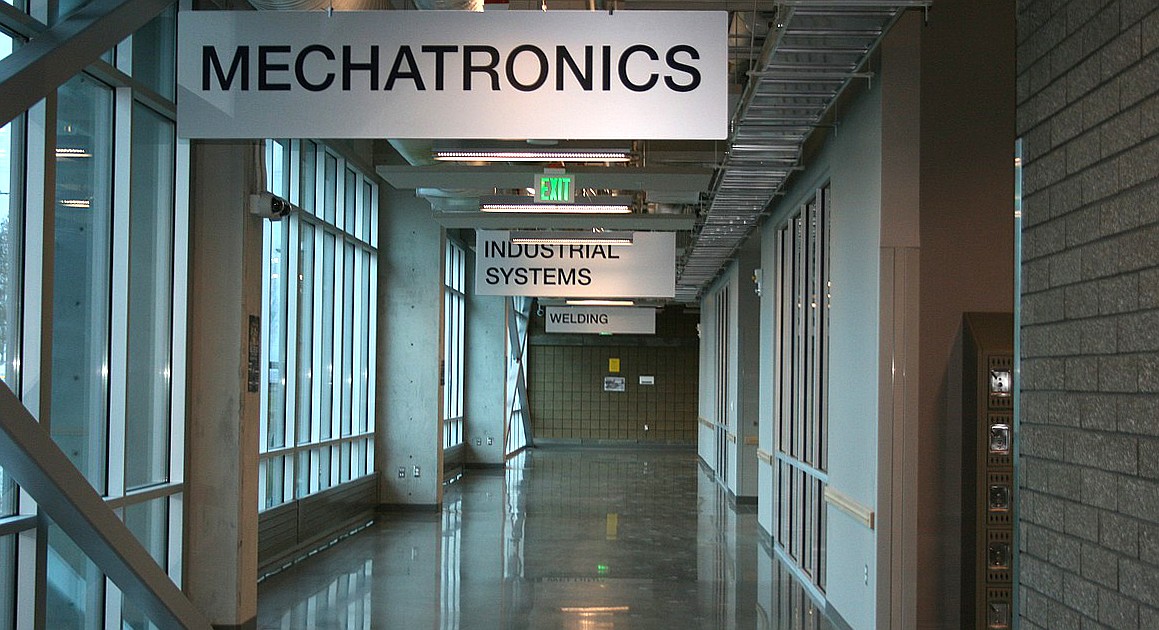
Most jobs available over the next 10 years will require some kind of post-secondary training, according to a report presented Wednesday by the Washington Student Achievement Council and the Washington Roundtable. The Workforce Education Center at Big Bend Community College is pictured.
FILE PHOTO
Senior Reporter Cheryl Schweizer is a journalist with more than 30 years of experience serving small communities in the Pacific Northwest. She began her post-high-school education at Treasure Valley Community College and enerned her journalism degree at Oregon State University. After working for multiple publications, she has settled down at the Columbia Basin Herald and has been a staple of the newsroom for more than a decade. Schweizer’s dedication to her communities and profession has earned her the nickname “The Baroness of Bylines.” She covers a variety of beats including health, business and various municipalities. | October 11, 2024 1:00 AM
OLYMPIA — Washington’s economy will need a lot of workers in the next decade, and both business and government will have to figure out ways to train them, according to a report from the Washington Partnership for Learning and the Washington Roundtable. The report was released Wednesday.
The partners commissioned a study of projected job growth, industries where that growth will happen and what kind of qualifications those jobs will require. Marc Casale of Kinetics West, which conducted the study, said Washington has enjoyed job growth that beat the national average over the last decade, and that’s expected to continue in the next decade. The challenge, Casale said, will be filling those jobs.
About 45% of the projected job growth is in sectors that will require at least a bachelor’s degree, he said.
Steve Mullin, president of the Washington Roundtable, said that means 55% of them won’t need a bachelor’s degree, but most of them will require some kind of post-high school training.
“If you look at the top in-demand occupations that lead to a living wage, there are a number of them that don’t require a two- or a four-year degree, but do require a post-secondary certificate,” Mullin said.
Casale said the research showed the state’s existing training system won’t be able to produce enough people to fill most of those jobs. The only category where there will be more workers than jobs is in sectors that don’t require some form of post-secondary training, he said.
In addition, Central Washington University President Jim Wohlpart said high school enrollment is projected to start dropping after about four years.
Mike Meotti, executive director of the Washington Student Achievement Council, said it’s not likely the state can fill the jobs it will have by relying on students graduating high school and going directly to college.
To fill the gap, Brian Jeffries, policy director for the Partnership for Learning, said the group is advocating a strategy where business and government agencies take advantage of all the training options available. He called it “all of the above.”
There’s room for more students at most of the public colleges within the state that award bachelor’s degrees, Jeffries said; education administrators should be looking for ways to fill those classes.
“Here’s the critical piece for the state of Washington,” Wohlpart said. “Before the (COVID-19) pandemic, 59% of our students went on to post-secondary education. During the pandemic that dropped to almost 50%. We are one of the bottom (states) in the nation for post-secondary enrollment. So even though it is true that the number of high school students will go down starting in about four years, we have so much bandwidth in terms of getting more students interested in going to college, that we could actually see an increase in college-going attainment over the next 10-15 years if we reverse those trends.”
One key to increasing college enrollment is to give high school students more opportunity to receive college credits while they’re still in high school, Wohlpart said. Jeffries said the report recommends college make sure students are getting the guidance they need to avoid dropping out and complete college in a timely fashion.
Guaranteed college admission, making financial aid available and making sure that credits from high schools can transfer to college are other keys, Jeffries said. Students also can be encouraged to take advantage of other college options, like the online programs offered by universities, he said.
The report also recommends supporting training programs sponsored by employers.
“Employers obviously play a key role in post-secondary education system and production, and employers can take a more direct leadership role in workforce development,” Jeffries said.
Among other things, they should work with four-year and community colleges to explain the training they need for their workforces, he said.
Meotti said many of those jobs will be filled by people who didn’t go to college right after high school but returned to school later in their lives.
“The future of our ability to meet the needs for high-level credentials will be more in the hands of that person in their 20s who, right now, is thinking about a career or technical education program, or maybe even a training program without formal credit,” Meotti said.
He added that job training higher education programs should take into account that many Washington residents don’t live in urban areas, and can’t, or don’t want to move.
“We’re involved with a number of rural partnerships, trying to understand there are dynamics we may not think of,” Meotti said.
ARTICLES BY CHERYL SCHWEIZER
Road projects on hold for Labor Day weekend
MOSES LAKE — With Labor Day weekend dead ahead, drivers will be able to move freely about the state. Most road projects are on hold for the holiday weekend. Nobody will be working on the Hansen Road overpass on Interstate 90, but the lane restrictions that are in effect will continue through the end of the project.

Cost estimates for water source alternatives given to Moses Lake City Council
Protected under the U.S. Endangered Species Act, efforts are ongoing to keep it self-sufficient
MOSES LAKE — It’s going to cost a lot of money to provide alternative water sources for the city of Moses Lake, but some of the possible alternatives will cost more than others. City officials provided the Moses Lake City Council with costs for various alternatives Tuesday.

Dryer vent cleaning is important -- but often overlooked
MOSES LAKE — Not all the maintenance a house needs is visible. Sometimes a potential problem just goes unnoticed until it causes trouble, sometimes serious trouble. But a lot of potential problems give off warning signs. Clothes dryers often do when they need a good cleaning.