
Water rate study planned for Quincy
CHERYL SCHWEIZER | Hagadone News Network | UPDATED 1 year, 10 months AGO
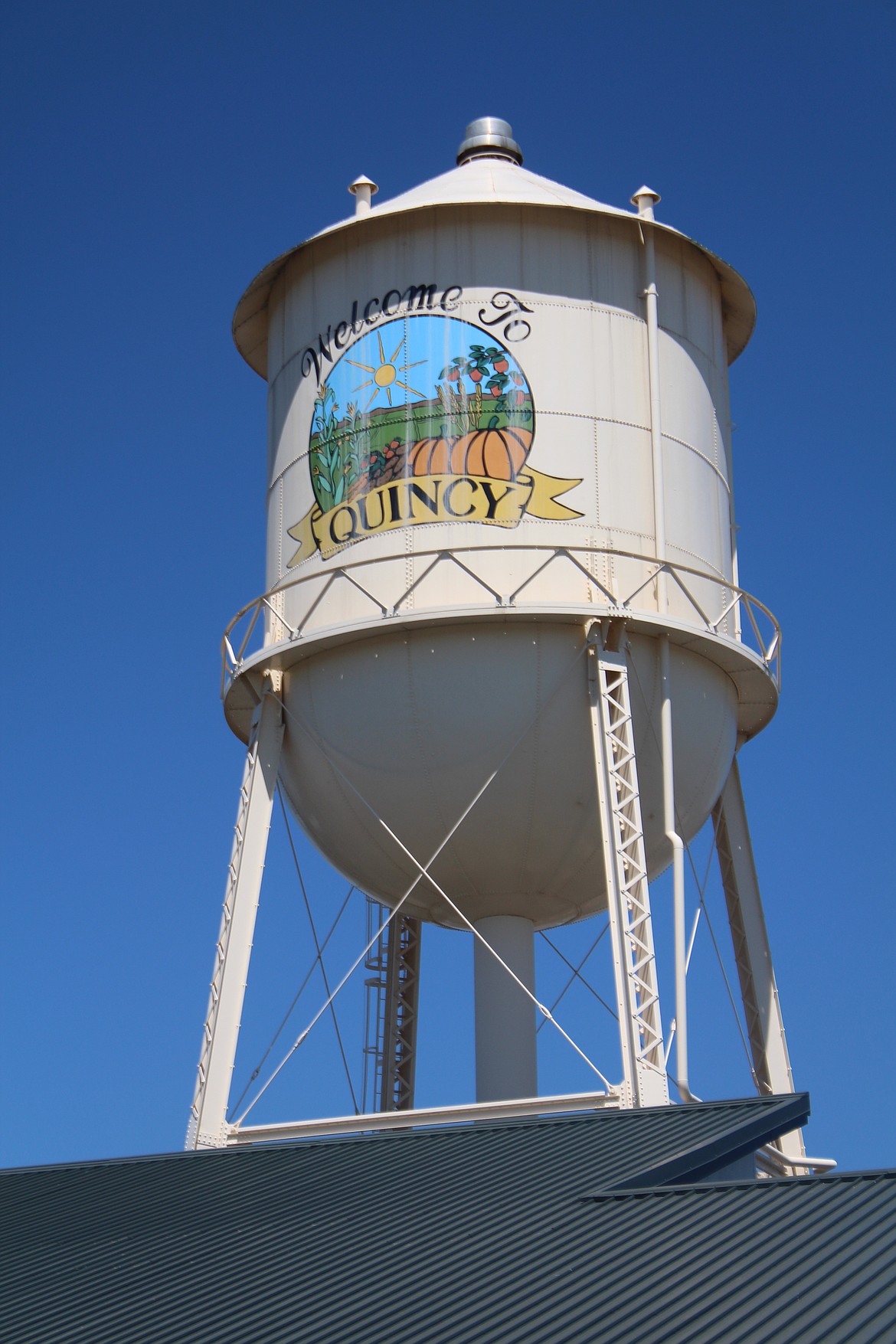
Quincy city officials will be reviewing the city’s water rates to determine if changes will be needed to help pay for upgrades to the city water system.
FILE PHOTO
Senior Reporter Cheryl Schweizer is a journalist with more than 30 years of experience serving small communities in the Pacific Northwest. She began her post-high-school education at Treasure Valley Community College and enerned her journalism degree at Oregon State University. After working for multiple publications, she has settled down at the Columbia Basin Herald and has been a staple of the newsroom for more than a decade. Schweizer’s dedication to her communities and profession has earned her the nickname “The Baroness of Bylines.” She covers a variety of beats including health, business and various municipalities. | October 25, 2024 1:50 AM
QUINCY — Quincy City Council members will be asked to commission a study of the city’s water rates and rate structure as part of a long term project to upgrade its water system.
Quincy City Administrator Pat Haley said not only is the city growing, but its water system is aging. Council members approved an updated water plan Tuesday, which included recommendations for addressing some of the system’s challenges. Haley said the rate study will help determine what’s possible, and how to pay for it.
Quincy Water Program Manager Bob Davis provided a summary of recommended projects to the council in the water system plan. The estimated cost was about $98.8 million over 10 years. Quincy, Haley said, doesn’t have that kind of money.
“We don’t have the cash reserves. We’re going to have to borrow the money,” Haley said.
Quincy has a permitted limit of 2.81 billion gallons of water per year, and Davis told council members in June that 2023 data showed the city was using almost all of it.
“We’re really, really close, guys, to our limit,” Davis said.
The water plan recommended buying water rights, finding new sources and working on conservation and reuse. The estimated cost was $22.2 million.
Demand is expected to increase as Quincy grows. In 2023 the city used about 2.06 billion gallons. That’s expected to grow to about 2.86 billion gallons by 2033.
Davis’s report estimated demand would exceed both capacity and the city’s existing water rights by 2033. More water use will require more water reservoirs; demand for storage capacity also is forecast to exceed existing supply by 2033.
The report also estimated the city’s water lines would need to be enlarged to meet the demand. What that means, Davis wrote in the presentation, was that the city will need more pumping capacity, more water rights and more storage.
Building the necessary storage was projected to cost about $20.5 million. The cost of upgrading the distribution system was estimated at $43 million through 2033.
Haley said some upgrades will be required regardless of growth – the existing system is old, and upgrades are required to maintain compliance with its operating permits.
“We don’t have a lot of choice,” Haley said. “We’ve got to get some of this taken care of.”
The report also recommended improving water quality. Davis told the council in June that the city has to find ways to reduce nitrate concentrations in its existing wells. Federal regulations have a limit of 10 milligrams per liter of drinkable water.
“If we have nitrates over the limit, that well will be shut off,” Davis said.
Nitrate levels in Quincy’s water are below the limit but have increased since 1995. One city well has approached the limit in the last two to three years.
The projected costs of water quality improvements are $8.65 million.
Quncy’s growing, and that has negative and positive effects, Haley said.
“Our growth is both a cause and a solution to some of our needs,” he said.
Growth has driven demand, but it also spreads the cost over more businesses and residents, he said.
Quincy has some advantages when it comes to applying for grants, Haley said, and city officials are considering hiring a company that specializes in finding and writing grants to increase the city’s odds. But grants usually pay back the recipient for expenses, he said, so the city will still need other sources of funding.
‘We’re going to have to borrow to do (the upgrades) and in order to do that, you’re going to have to have the rate structure in place,” Haley said.
The study will look at the existing rate structure and see if it will still work for the city’s needs. Currently, the city charges customers based on the volume of water used, and that might be the best way, Haley said, or it might not.
The study also will include an analysis to determine whether or not customers are being charged appropriately.
City officials hope to conduct the rate study in 2025, he said.
By the Numbers
Upgrading water distribution: $43 million
Sater rights/ new water sources and conservation/reuse: $22.2 million
Building water storage: $20.5 million
Water quality improvements: $8.65 million
ARTICLES BY CHERYL SCHWEIZER
Road projects on hold for Labor Day weekend
MOSES LAKE — With Labor Day weekend dead ahead, drivers will be able to move freely about the state. Most road projects are on hold for the holiday weekend. Nobody will be working on the Hansen Road overpass on Interstate 90, but the lane restrictions that are in effect will continue through the end of the project.

Cost estimates for water source alternatives given to Moses Lake City Council
Protected under the U.S. Endangered Species Act, efforts are ongoing to keep it self-sufficient
MOSES LAKE — It’s going to cost a lot of money to provide alternative water sources for the city of Moses Lake, but some of the possible alternatives will cost more than others. City officials provided the Moses Lake City Council with costs for various alternatives Tuesday.

Dryer vent cleaning is important -- but often overlooked
MOSES LAKE — Not all the maintenance a house needs is visible. Sometimes a potential problem just goes unnoticed until it causes trouble, sometimes serious trouble. But a lot of potential problems give off warning signs. Clothes dryers often do when they need a good cleaning.