
Confluence Health refunding $1.8M following AG investigation
NANCE BESTON | Hagadone News Network | UPDATED 4 months AGO
“This resolution underscores our shared goal of improving processes and maintaining trust. We are grateful for the opportunity to work alongside regulatory partners to reinforce our values and ensure patients receive excellent care supported by clear, consistent policies.” — Confluence Health Corporate Communications
Program Manager Adam MacDonald
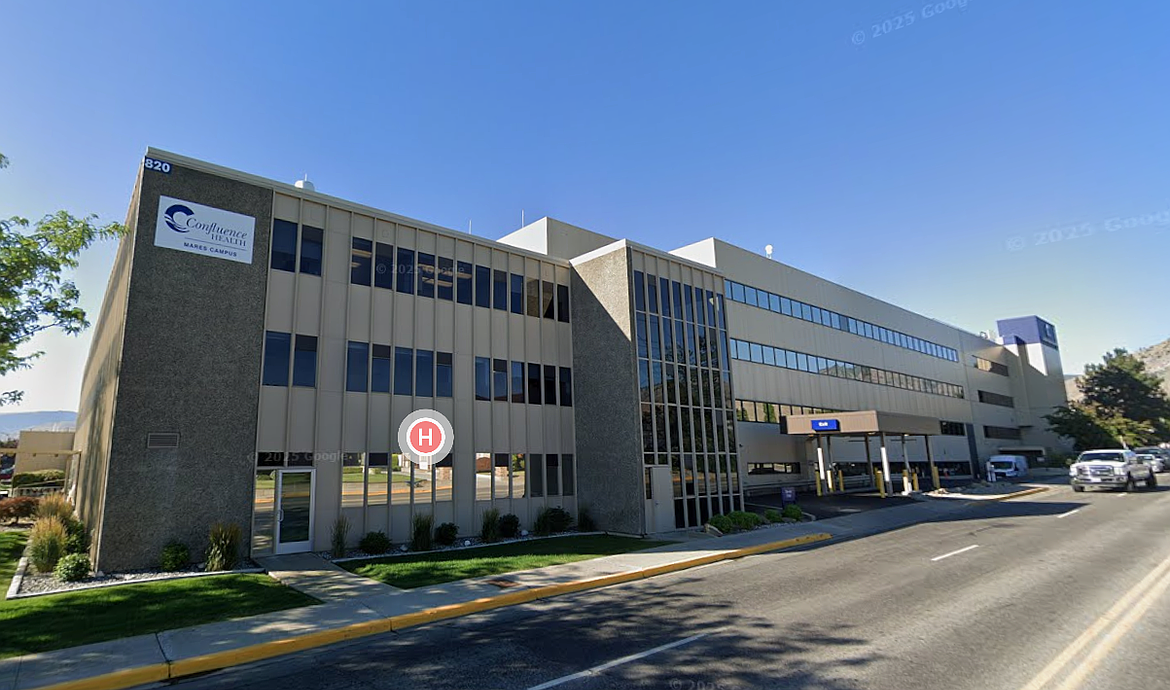
OLYMPIA — After an extensive investigation by the Washington State Attorney General's Office, Confluence Health has agreed to refund over $1.8 million to thousands of patients who were eligible for charity care but did not receive appropriate reimbursements for medical fees. The investigation revealed that Confluence Health, operating two hospitals in Central Washington, failed to refund payments made by patients who qualified for charity care after they had already incurred out-of-pocket costs.
“Confluence Health is committed to integrity, transparency, and serving patients across North Central Washington,” reads an email from Confluence Health Corporate Communications Program Manager Adam MacDonald. “We appreciate the constructive collaboration with the Attorney General’s Office and share a commitment to ensuring our practices meet the highest standards.”
Attorney General Nick Brown announced the resolution in a statement, emphasizing the importance of adhering to Washington’s charity care laws.
“Our charity care laws protect Washingtonians who would otherwise face crippling medical debt or have to choose between financial security and their health,” Brown said in the statement. “Thanks to the work of our staff and Confluence’s willingness to cooperate, we were able to get thousands of people the refunds they deserve without resorting to litigation.”
The Assurance of Discontinuance, filed with the Chelan County Superior Court, outlines the findings of the Attorney General’s investigation, which began in 2024. Investigators discovered that from 2021 onwards, Confluence Health had not refunded approximately 4,729 patients who had made payments prior to applying for charity care. The Attorney General's office raised concerns that Confluence's actions amounted to “unfair or deceptive acts or practices” in violation of the Washington Consumer Protection Act.
“When we identified a deviation in the implementation of our charity care policy that needed correction, we initiated a comprehensive review in partnership with state regulators,” MacDonald wrote. “Over the course of six months, a dedicated team worked to ensure that every patient eligible for charity care received the appropriate refund they deserved and to identify any areas where we could improve to ensure consistency and adherence to our mission.”
Per the legal agreement, Confluence acknowledges that its practices regarding charity care applications and refunds were inconsistent with its own established policies. While the organization does not admit fault regarding violations of the law, it has agreed to adhere strictly to the stipulations laid out in the Assurance of Discontinuance. This includes a commitment not to engage in unfair practices identified during the investigation.
Under the terms of the agreement, Confluence Health will be making a payment of $150,000 to the Attorney General’s Office and has already reimbursed patients nearly $1.82 million. This refund amount includes interest, as required by law, for patients who were not refunded in a timely manner.
“Confluence attests, and the State acknowledges, that Confluence has paid $1,819,885 in restitution to consumers impacted by the conduct described above,” the Assurance document states.
MacDonald said Confluence Health plans to provide more than $30 million in charity care this year.
“Throughout this process, we focused on getting it right, strengthening our systems, and educating staff to prevent future misinterpretations. This care matters to our community and getting it right matters to us,” MacDonald wrote in an email.
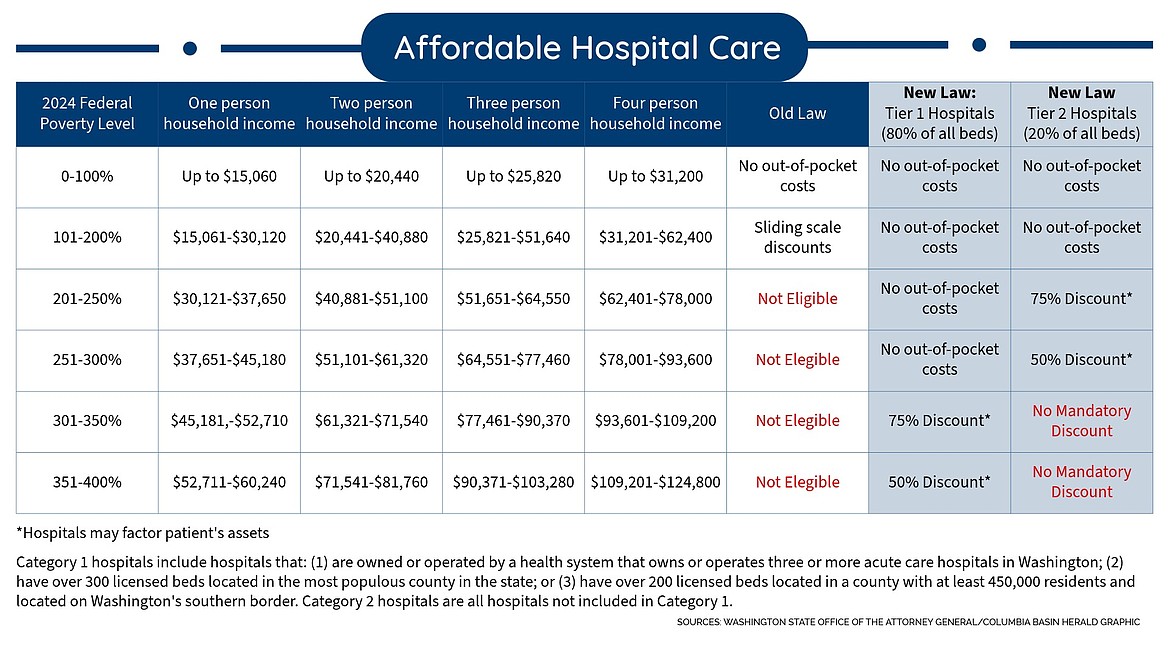
Washington’s Charity Care Act mandates that hospitals provide financial assistance to those with limited incomes while also covering out-of-pocket costs associated with medical care. This legislation, originally passed in 1989, has seen significant expansions, allowing an estimated 4 million Washingtonians to qualify for free or discounted hospital care. This helps low-income individuals who might struggle with high medical bills, even if they possess insurance coverage.
As stated in the press release, the renewed regulations are intended to ensure that “financial assistance varies based on income and the size of a hospital,” delineating the responsibilities of larger hospital systems compared to smaller establishments.
Brown’s statement said hospitals are required not only to implement these charity care measures but also to inform patients comprehensively about their rights and options for financial assistance.
According to national statistics provided by Brown’s office, two-thirds of individuals who file for bankruptcy cite medical issues as significant contributing factors. Brown's office, according to the statement, aims to combat this trend through vigilant enforcement of charity care laws and consumer protection.
“This resolution underscores our shared goal of improving processes and maintaining trust,” MacDonald wrote. “We are grateful for the opportunity to work alongside regulatory partners to reinforce our values and ensure patients receive excellent care supported by clear, consistent policies.”
The Attorney General’s office invites individuals who believe they may have been impacted by similar practices to file complaints at the AG website found at atg.wa.gov/file-complaint.
ARTICLES BY NANCE BESTON

1 arrested after Highway 17 stop; detectives recover fentanyl, firearms
MOSES LAKE — The Moses Lake Street Crimes Unit conducted a traffic stop on Highway 17 near Randolph Road and executed a search warrant Friday morning as part of an ongoing narcotics investigation.

4th-year drought declaration in WA, subtle effects in the Columbia Basin
EPHRATA — Washington’s fourth straight year of drought is expected to hit some regions hard, but in Grant and Adams counties, the impacts will look different – quieter, less visible and centered underground. Statewide, the Department of Ecology issued an emergency drought declaration after a warm winter left Washington with about half its usual snowpack, raising concerns about low summer streamflows, stressed fish populations and heightened wildfire risk. Seven of the past 10 years have included drought somewhere in the state. “If you look at our mountains, the challenge we are facing is clear,” Gov. Bob Ferguson said during a press conference Wednesday. “We’re taking emergency action to protect fish, farmers and communities across Washington.”

Sleep Diagnostic Center to close after doctor’s sentencing
MOSES LAKE — The Central Washington Sleep Diagnostic Center announced it will be closing its doors effective April 30. This includes locations in Moses Lake, Spokane Valley, Brewster and Wenatchee. The announcement follows the March 25 guilty plea from Dr. Eric Edward Haeger, 57, in United States District Court to adulterating and misbranding medical devices with the intent to defraud or mislead, according to a statement from the U.S. Attorney’s Office. “The adulterations by Dr Haeger show a dangerous disregard for the safety of his patients,” Washington Attorney General Nick Brown said in a statement. “This is a win for patient safety, for protecting public dollars from fraud, and for ensuring citizens of Washington get necessary healthcare. This case exemplifies the great work our team is doing in collaboration with our federal partners to fight fraud and protect Washingtonians.”