
Dangerously warm temperatures create ‘magnificent’ avalanches
KELSEY EVANS | Hagadone News Network | UPDATED 1 year, 1 month AGO
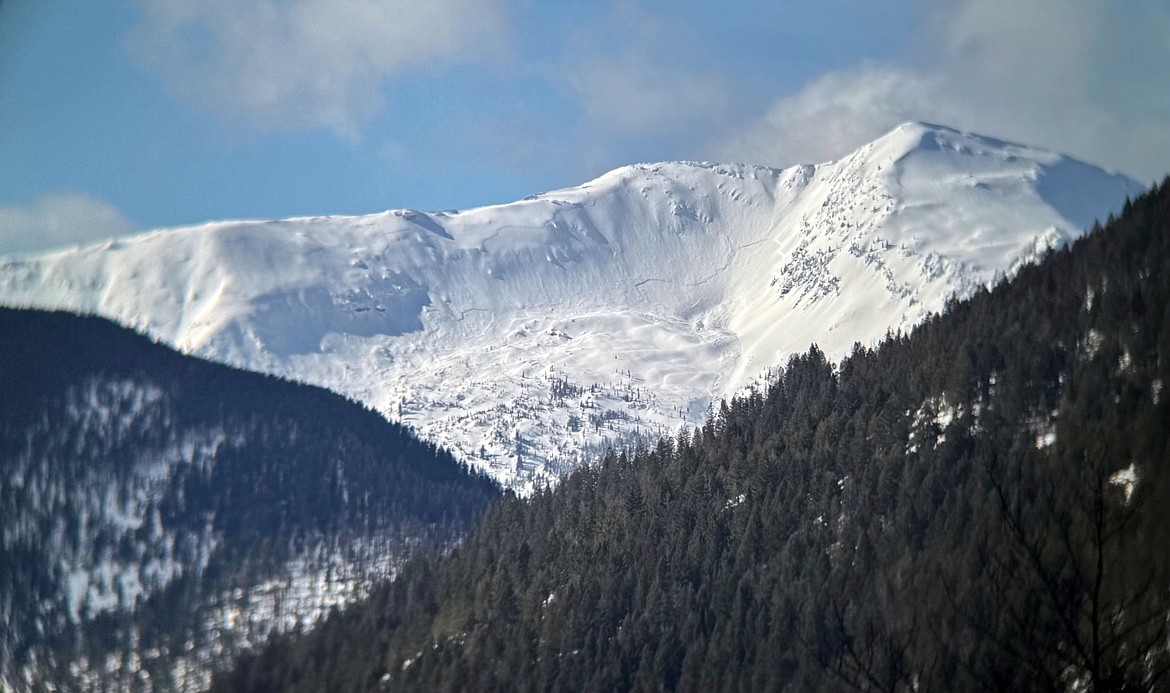
Sheep Creek Headwall, R4D4 avalanche observed by Glacier National Park Snow Ranger Jackson George on Feb. 24, estimated to have occured on Feb. 23. (Jackson George Photo via Flathead Avalanche Center)
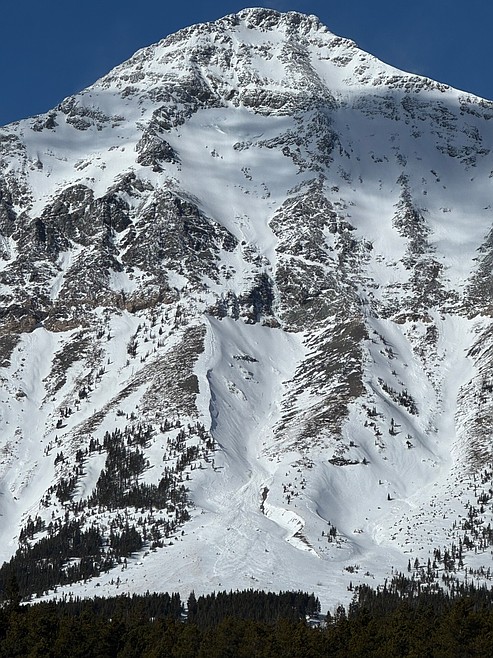
A D3 avalanche on Little Dog Mountain observed on Feb. 24. Photo by Jackson George.
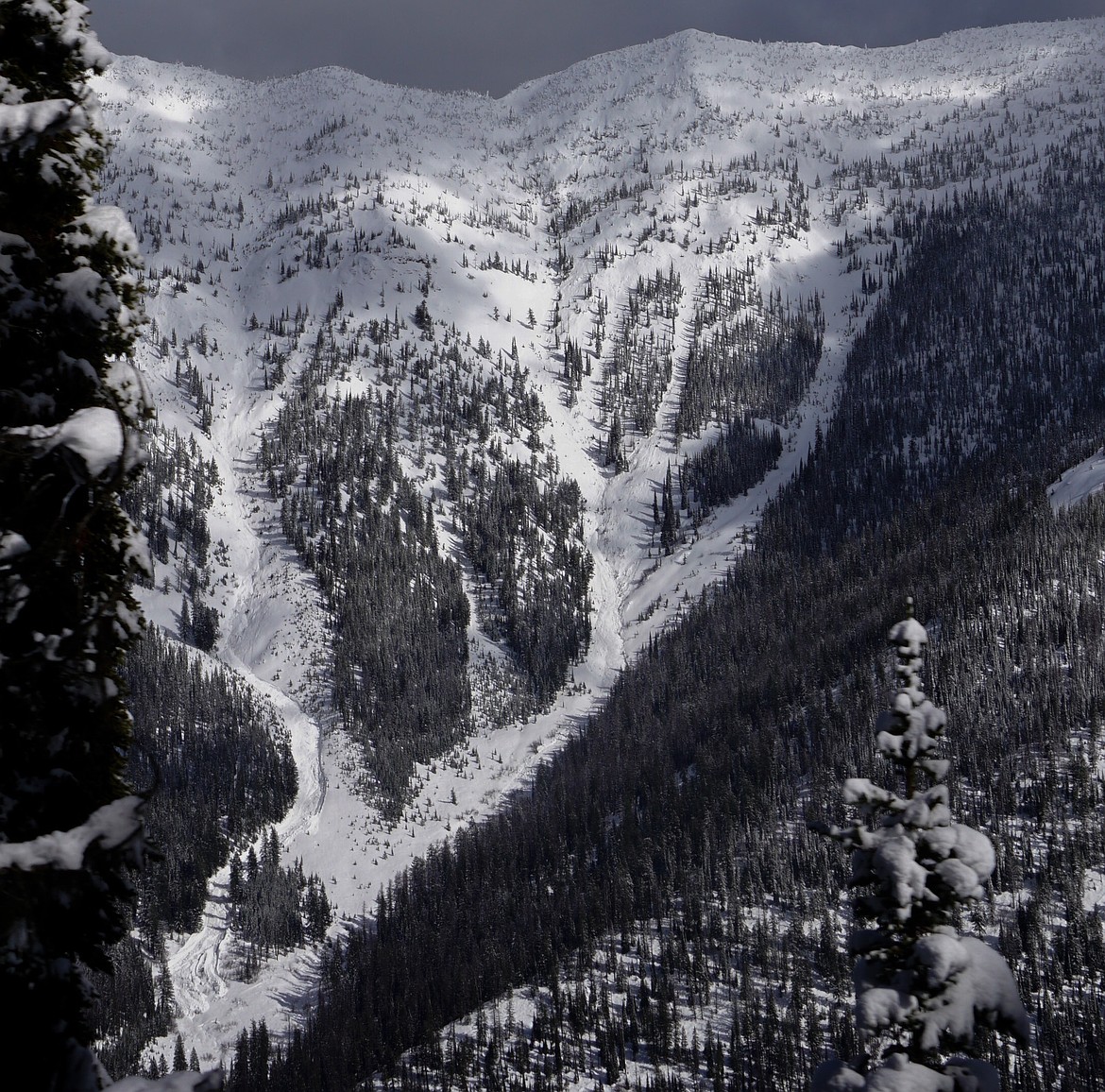
Avalanche on Stryker Ridge in the Upper Whitefish Range. Photo by Grant Hughes with Great Northern Powder Guides.
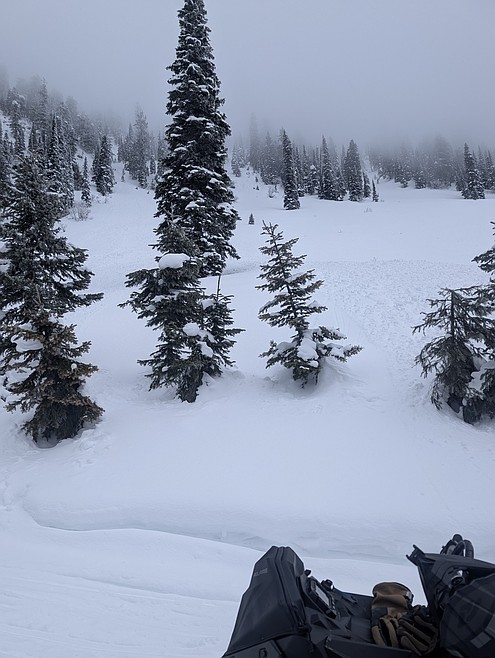
A user submitted photo on Flathead Avalanche of instability on a snowmobile trail in the Whitefish Range near Red Meadow Lake on Feb. 22.
A drastic winter thaw created dangerous avalanche conditions last weekend as temperatures rose to the mid-40s and rain and snow fell.
The Flathead Avalanche Center issued an avalanche warning on Sunday for the Whitefish, Apgar, Swan and Flathead ranges, and portions of Glacier National Park, the McDonald Valley and peaks near Marias Pass. The warning extended to Tuesday morning.
The Flathead Avalanche Center warned that wet snow avalanches were likely below 6,000 feet. Above that elevation, large to very large natural and triggered avalanches were likely; these could involve 1 to 2 feet of new and drifted snow or break deeper in the snowpack on buried weak layers.
“In the wake of this weekend’s atmospheric river, many destructive avalanches decorated the mountains,” observed Glacier National Park Snow Ranger Jackson George during a driving assessment Monday, Feb. 24.
George observed dozens of slides, which he described as large to very large in size, and one was “historic.”
“Today's grand prize goes to the Southern Flathead Range,” George wrote, “with an undeniably destructive and tremendously impressive slide that reached at least 3/4 of a mile across the Flathead Crest/Sheep Creek Headwall.
“This deadly beauty appears to have had humble beginnings as a very large wind slab that battled its way to victory by successfully unstitching and unloading a D4 persistent slab in the basin below. It was an honor to observe this magnificent slide,” George wrote.
Flathead Avalanche observer Mark Dundas noted 20-25 crowns of soft slab avalanches on north, east, and south aspects at mid and upper elevations in the Flathead Range bordering Glacier National Park near Rescue Creek and Nyack Mountain. Dundas’ crew observed 10-15 hard slab avalanches that were generally D2-2.5. At least two D3 slides were noted.
As visibility cleared, BNSF Avalanche Patrol observed 12 slides near John F. Stevens Canyon on Feb. 24.
In the northern Whitefish Range near Olney, Grant Hughes with Great Northern Powder Guides observed that “about half of the historic paths that I could visually identify had slid sometime in the last 24 hours.”
“Crowns were often at mid-elevations leading to less than historic runouts but some impressive ones nonetheless. The heavily logged areas around Stryker Ridge had some decent sized slides,” Hughes noted.
The numerous avalanches observed Feb. 24 were no surprise following multiple reports of instability and cracking across Flathead and Whitefish ranges Feb. 21-23.
A Feb. 21 public observation in John F. Stevens Canyon submitted by backcountry skier Kyle Bitney stated, “Between the poor snow quality, the low snowpack and the mega boosh, we had an infamous Middle Fork exit. Time to put the touring skis away for a few days.”
An additional observation along U.S. 2 logged by BNSF Avalanche Safety on Feb. 23 observed crowns of recent slab avalanches on surrounding mountains in the canyon.
A Feb. 22 BNSF observation on Snowslip Mountain in the Flathead Range recording small, wet and loose sluffs on steep slopes above the river and U.S. 2.
A Feb. 22 public observation from a snowmobiler reported a natural, wet slide in the Whitefish Range close to Red Meadow Lake by the Hay Creek drainage.
Multiple reports of collapsing in the Whitefish Range came in on Feb. 22, with reports from east of Hellroaring Peak, in the Retirement Bowl, and in an area known as Chicken Bones near Ghoulies Peak.
Elsewhere in Montana, the West Central Montana Avalanche Center issued a warning for the Rattlesnake and Bitterroot regions, while in south-central and southwestern Montana, the avalanche danger was moderate in the Bridger, Madison and Gallatin Ranges.
While it rained in the valley, Whitefish Mountain Resort’s snow report for Monday, Feb. 24 stated that the precipitation came down as snow as low as the Base Lodge, where it fell wetter and heavier. About 6 inches accumulated at the summit from Sunday to Monday morning, bringing the season total to over 200 inches.
As of Tuesday, Feb. 25, skiing conditions are less crunchy on the groomers on the backside of Big Mountain. Skiers are advised to be cautious of deep tree wells due to deep snow and higher winds.
Near record high temperatures are set to continue through the weekend in the valley, with Whitefish’s high forecasted to reach 51 degrees on Saturday, tying the March 1 record high.
Consult http://www.flatheadavalanche.org/ for more detailed information.
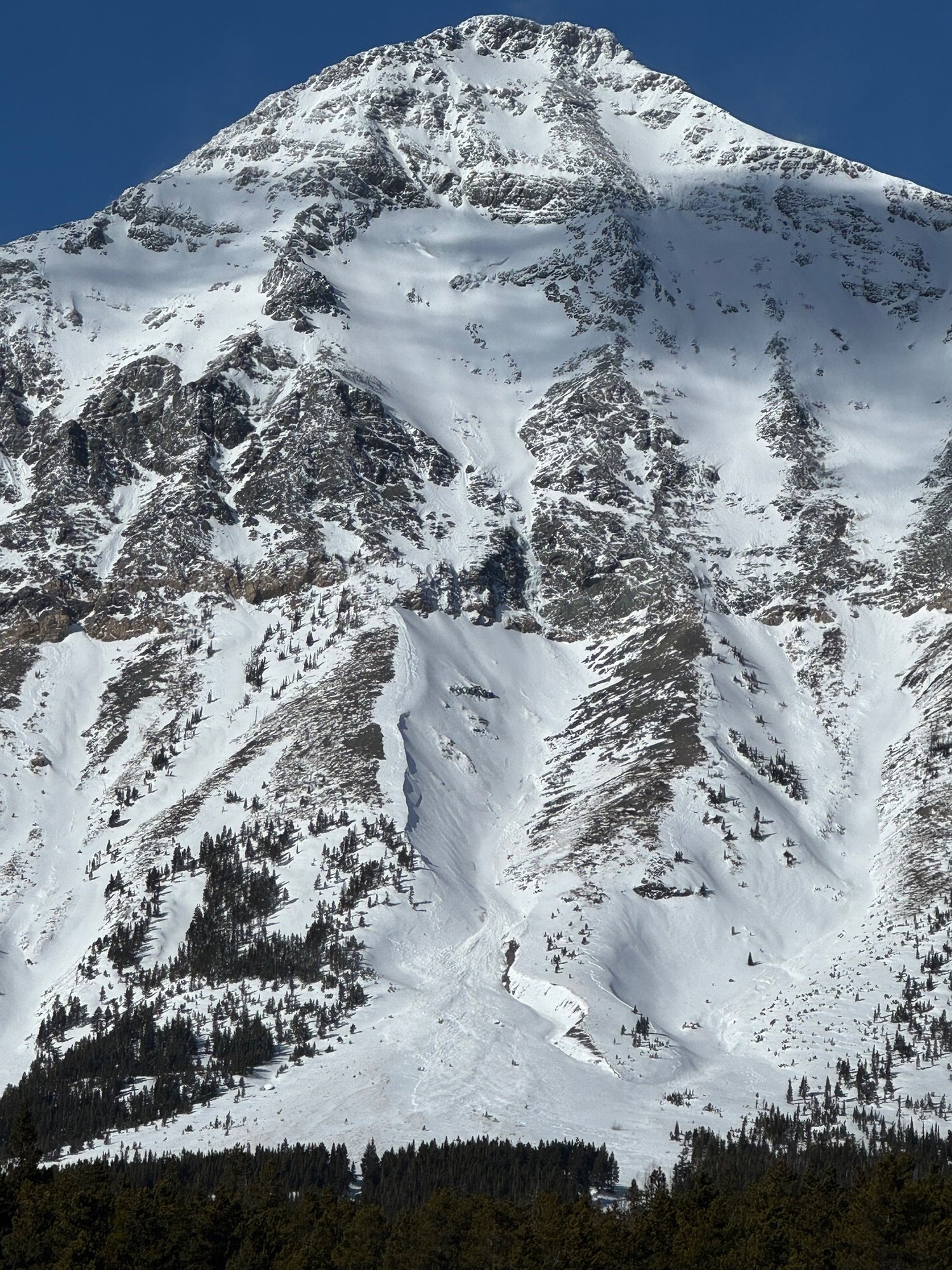 A D3 avalanche on Little Dog Mountain observed on Feb. 24. Photo by Jackson George.
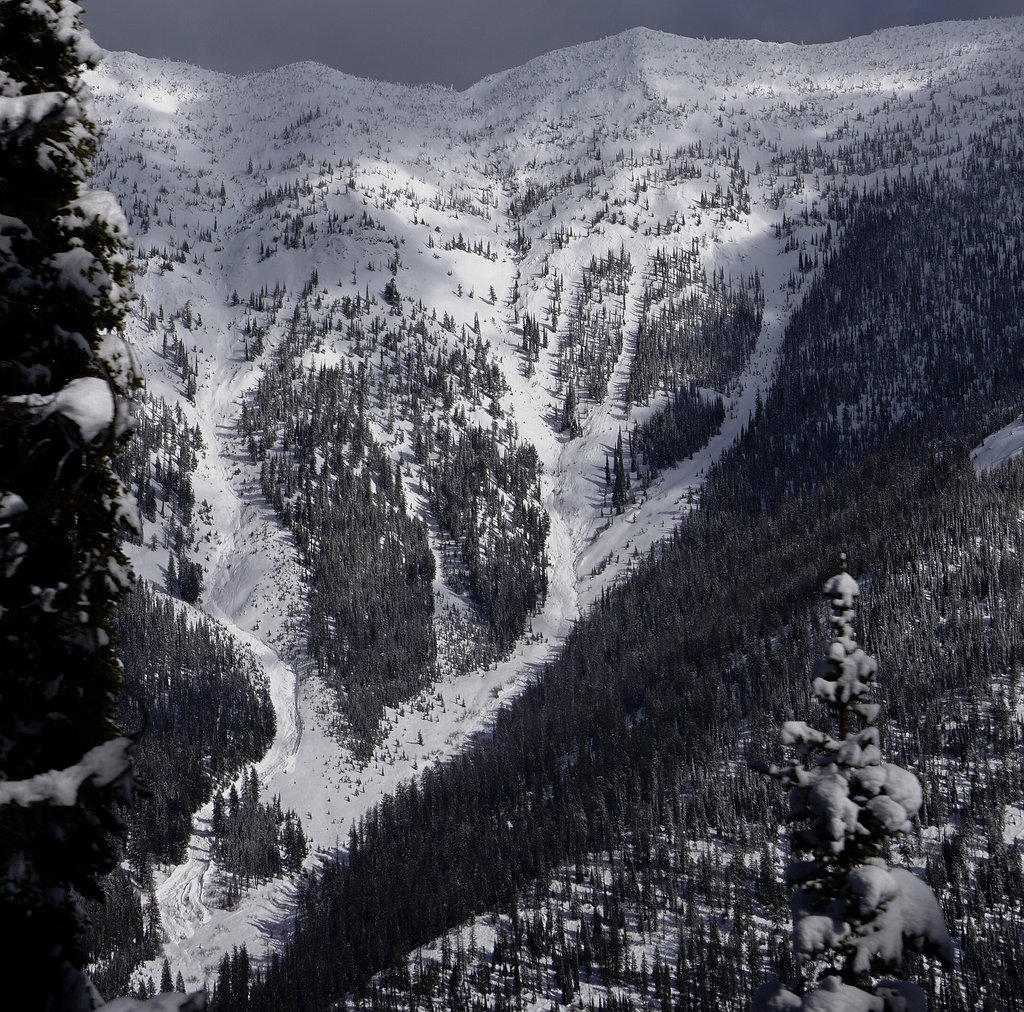 Avalanche on Stryker Ridge in the Upper Whitefish Range. Photo by Grant Hughes with Great Northern Powder Guides.
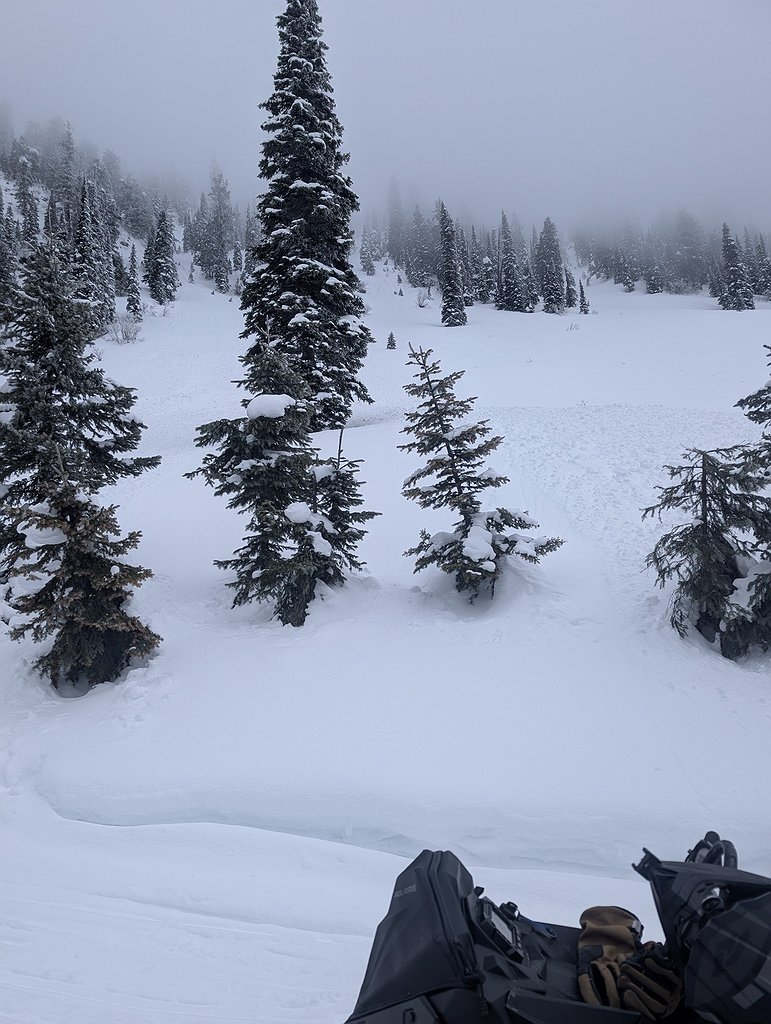 A user submitted photo on Flathead Avalanche of instability on a snowmobile trail in the Whitefish Range near Red Meadow Lake on Feb. 22.
ARTICLES BY KELSEY EVANS
Solid freshman class to bolster track and field teams past adversity
The sunny and brisk Monday afternoon was a pseudo first day of practice for the Bulldogs, who have to sharpen up quickly after spring break for this weekend’s debut meet: the ARM Invite.
Skimo North American champion hails from Big Mountain
Whitefish eighth grader Porter Shehan skinned, climbed and skied his way to a skimo North American title and a national title this season.
Casual eatery Grouchy Grizzly to open in Whitefish this summer
Whitefish’s Last Chair Kitchen and Bar, a restaurant at Lakeshore Drive and Reservoir Road, has been sold and will undergo a phased transformation, into a casual, fun-focused eatery called Grouchy Grizzly.