
Justice of the Peace candidate Buffy Kelly
MONTE TURNER | Hagadone News Network | UPDATED 1 day, 5 hours AGO
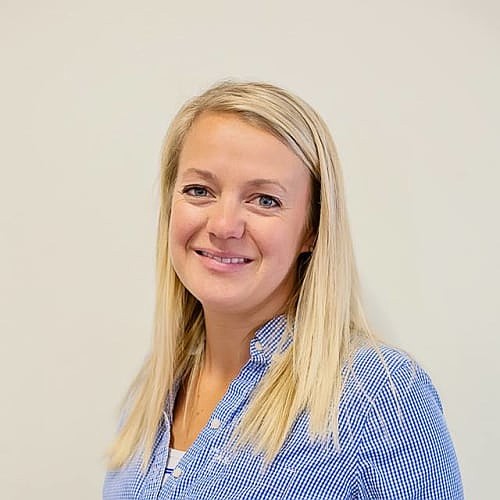
Buffy Kelly
I’m Buffy Kelly, a longtime Mineral County resident, business owner, and I’m running for Justice of the Peace to bring fairness, integrity, and sound judgment to the bench. I believe our community deserves a court that is impartial, professional, and firmly grounded in facts. My approach is straightforward: listen carefully, follow the law, weigh the evidence thoroughly, treat every person equally, and make decisions with consistency, respect, and common sense.
When the law seems clear but the outcome feels harsh, how do you approach the decision?
If the law pointed one way, but the outcome felt too harsh, I would slow down and make sure I had the full picture. I would review the law, look at similar cases, and carefully examine the facts to make sure there were no errors or misunderstandings. If there was room for a fairer outcome within the law, I would consider those options and make the most balanced decision I could.
What are your solutions on non-English reading/speaking CDL operators on I-90 involved in accidents?
The law is clear in regards to any non-English reading/speaking CDL operators in Montana and the United States. Consequently, CDL operators found to not be able to adequately speak or read English would be taken out of service and have their CDL suspended in my court room. I would work to provide an interpreter service such as Propio for the individual so that they could be made aware of my decision and their rights regarding any incidents or accidents on I90.
If you believed a search warrant request was weak but coming from a respected officer, what would you do?
If a search warrant seemed weak, I would slow it down and require more information before approving it. A warrant should be based on facts and credible evidence, not just suspicion or general allegations. The officer would need to clearly explain where they want to search, what they are looking for, and why there is probable cause to believe evidence of a crime will be found there. I would take that responsibility seriously, because people’s rights matter.
How would you prepare yourself for legal questions or cases outside your experience?
If I were faced with a legal question or case outside my experience, I would take the time to prepare by carefully researching the law and making sure I understood the issue in front of me. That would include reviewing the relevant statutes, looking at how similar cases have been decided, and studying how the law has been interpreted. I would also consult with the county attorney when appropriate to confirm my understanding before making any decision or providing any guidance.
Describe your process for making a difficult ruling when facts are disputed.
When the facts are disputed, my job would be to slow down, look at the evidence carefully, and apply the right legal standard. I would listen to both sides, evaluate the credibility of the witnesses, and compare their statements to the other evidence presented. Then I would decide whether the facts meet the burden of proof required by law. I also believe people deserve to understand how a decision was reached, so I would clearly explain the facts I relied on and the reason for my ruling.
How would you ensure that people representing themselves understand the court process?
I believe people representing themselves in court deserve clear information about how the process works. I would support access to simple forms, easy-to- understand instructions, and self-help resources before they ever step into the courtroom. MontanaLawHelp.org is a strong resource that offers do-it-yourself legal information and step-by-step guidance. There are also self-help centers in several Montana cities that can help people better understand the court process and prepare for their case.
What challenges are unique to administering justice in a rural community?
There are many challenges to administering justice in a rural community. The biggest ones I see are limited access to legal professionals, transportation barriers, financial hardship, a lack of specialized services, and the risk of bias. In rural Montana, there are fewer attorneys available, which can make it difficult for people to find legal representation. For many residents, even getting to court or meeting with an attorney can be a real hardship because of distance, transportation issues, and cost. Economic barriers also matter. When families are already stretched thin, hiring private counsel or accessing other support can feel out of reach. Another serious challenge is the shortage of specialized services, including mental health care, substance use treatment, and juvenile support. Without those resources, it can be harder for people to get the help they need and harder for the justice system to support real accountability and rehabilitation. Finally, bias and lack of trust can be especially difficult in a small community, where people may know each other or have long family histories in the system. That is why a judge must stay focused on the facts, apply the law fairly, and make decisions without outside influence.
How should courts handle people who cannot afford fines or travel long distances to court?
Justice should not depend on whether someone has money for a lump-sum payment or the ability to drive a long distance to court. For people facing financial hardship, courts can offer payment plans based on ability to pay and, when appropriate, community service as an alternative. For those who live far away or cannot easily travel, remote court appearances can also help improve access while still maintaining the court process.
ARTICLES BY MONTE TURNER
St. Regis mill expanding operations, adding employees
Driving along Montana 135 just outside St. Regis, it’s hard to miss the towering stacks of bundled posts and poles, and the large building at Big Sky Forest Products.
Superior students send postcards from the British Isles
Every two years, Superior teacher Jeff Schultz organizes an unforgettable European tour for students and locals touring different countries.
Legion begins refurbishing highway fatality markers
Ray Welch American Legion Post 13 in St. Regis is responsible for maintaining fatality markers along Interstate 90 from Lookout Pass to mile marker 77, just east of Alberton, as well as along Montana 135 from St. Regis to the Sanders County line.