
4th-year drought declaration in WA, subtle effects in the Columbia Basin
NANCE BESTON | Hagadone News Network | UPDATED 1 day, 15 hours AGO
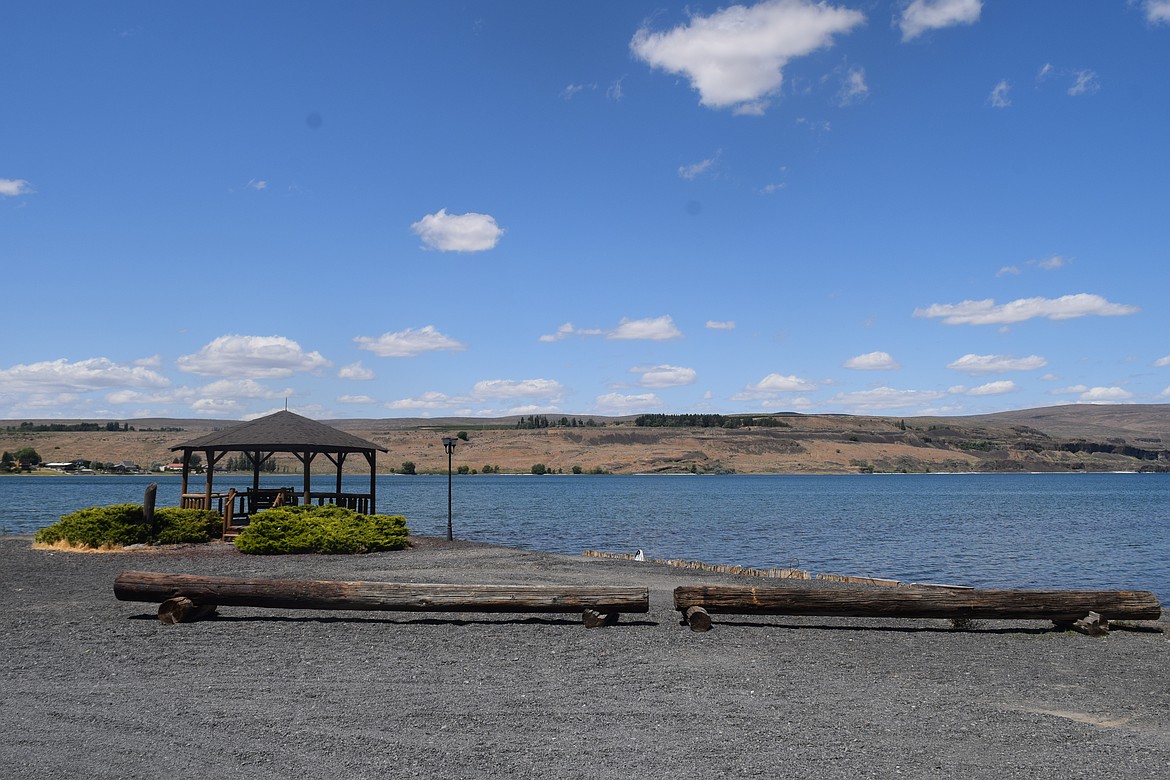
The Department of Ecology declared a fourth-year drought declaration Wednesday. DOE’s Eastern Region Water Resources Manager Jaime Short said the impacts on the Columbia Basin will be less visible. However, one visible effect may be the lake levels of Soap Lake.
FILE PHOTO
EPHRATA — Washington’s fourth straight year of drought is expected to hit some regions hard, but in Grant and Adams counties, the impacts will look different – quieter, less visible and centered underground.
Statewide, the Department of Ecology issued an emergency drought declaration after a warm winter left Washington with about half its usual snowpack, raising concerns about low summer streamflows, stressed fish populations and heightened wildfire risk. Seven of the past 10 years have included drought somewhere in the state.
“If you look at our mountains, the challenge we are facing is clear,” Gov. Bob Ferguson said during a press conference Wednesday. “We’re taking emergency action to protect fish, farmers and communities across Washington.”
But in the Columbia Basin, where most agriculture relies on the federal Columbia Basin Project, the landscape may appear deceptively normal, said Ecology’s Eastern Region Water Resources Manager Jaime Short.
“Driving through Grant or Adams County, it’s going to look kind of like business as usual despite the drought,” said Short. “Most of the water use in the basin comes from the Columbia Basin Irrigation Project, and that is not anticipated to be affected.”
Wells, not fields, are the concern
While irrigated farmland is expected to remain stable, Short said the region’s vulnerability lies beneath the surface.
“People who are dependent on wells for irrigation or municipal supplies might be hitting them a bit harder than normal,” she said. “We might see declines in wells that we would not necessarily see if it weren’t for the drought.”
Several small cities in the region have already struggled with dropping groundwater levels for years, including areas like Lind. Short said drought declarations help raise awareness about conservation, which can ease pressure on municipal systems.
“I think the drought declaration definitely gets people’s attention and I am glad because that means they might be a little more cautious, a little more thoughtful about how they use the resource that everyone benefits from,” Short said.
Ecological impacts
Grant and Adams counties’ shrub‑steppe landscape is naturally dry, but some streams, wetlands and lakes are supported by irrigation return flows. A quirk that can soften drought impacts for wildlife, Short said.
“Birds, bees and bunnies … might actually be buffered or protected from some of the drought conditions because their water supply should be relatively intact,” Short said.
Still, she warned that hotter, drier conditions could harm fish.
“That could have a very negative impact,” she said.
Soap Lake, a mineral lake, is already showing signs of stress.
“We certainly see a connection between ongoing drought and lower lake levels,” Short said. “This year is not likely to get any better, and depending on how hot it is, it might get a little worse.”
Fire and smoke: the ‘new normal’
While Ecology’s water program doesn’t manage wildfire response, Short said the agency’s air quality division is preparing for another smoky summer.
“As a lifetime resident of Eastern Washington … that is just kind of our new normal – being ready for fire and ready for smoke, and then if it doesn’t happen, being happy,” Short said.
The Columbia Basin’s geography often traps smoke, worsening air quality during fire season, she said.
What’s next?
Snowpack remains the biggest indicator of whether conditions will improve. Short said normally the DOE monitors the snowpack through April, but because of the low levels, it called an early drought declaration.
She said ecology will continue to monitor snowpack, precipitation and river flows year‑round and will reassess conditions as spring progresses.
“What I am hoping for is a lot of very conveniently-timed rainstorms,” she said.
A shared resource
Short said the most important message is awareness.
“Water is a precious commodity. It’s a shared resource, and there’s not much of it to go around this year,” she said. “Getting the word out so people can do their part – that’s the best possible outcome.”
She also urged empathy.
“There are a lot of farmers who do not benefit from the Columbia Basin Project who are going to be hit hard this summer,” she said. “Let’s be kind to one another.”
ARTICLES BY NANCE BESTON
1 arrested after Highway 17 stop; detectives recover fentanyl, firearms
MOSES LAKE — The Moses Lake Street Crimes Unit conducted a traffic stop on Highway 17 near Randolph Road and executed a search warrant Friday morning as part of an ongoing narcotics investigation.
4th-year drought declaration in WA, subtle effects in the Columbia Basin
EPHRATA — Washington’s fourth straight year of drought is expected to hit some regions hard, but in Grant and Adams counties, the impacts will look different – quieter, less visible and centered underground. Statewide, the Department of Ecology issued an emergency drought declaration after a warm winter left Washington with about half its usual snowpack, raising concerns about low summer streamflows, stressed fish populations and heightened wildfire risk. Seven of the past 10 years have included drought somewhere in the state. “If you look at our mountains, the challenge we are facing is clear,” Gov. Bob Ferguson said during a press conference Wednesday. “We’re taking emergency action to protect fish, farmers and communities across Washington.”
Sleep Diagnostic Center to close after doctor’s sentencing
MOSES LAKE — The Central Washington Sleep Diagnostic Center announced it will be closing its doors effective April 30. This includes locations in Moses Lake, Spokane Valley, Brewster and Wenatchee. The announcement follows the March 25 guilty plea from Dr. Eric Edward Haeger, 57, in United States District Court to adulterating and misbranding medical devices with the intent to defraud or mislead, according to a statement from the U.S. Attorney’s Office. “The adulterations by Dr Haeger show a dangerous disregard for the safety of his patients,” Washington Attorney General Nick Brown said in a statement. “This is a win for patient safety, for protecting public dollars from fraud, and for ensuring citizens of Washington get necessary healthcare. This case exemplifies the great work our team is doing in collaboration with our federal partners to fight fraud and protect Washingtonians.”