
Stoke Space Technologies announces Moses Lake expansion
CHERYL SCHWEIZER | Hagadone News Network | UPDATED 1 month AGO
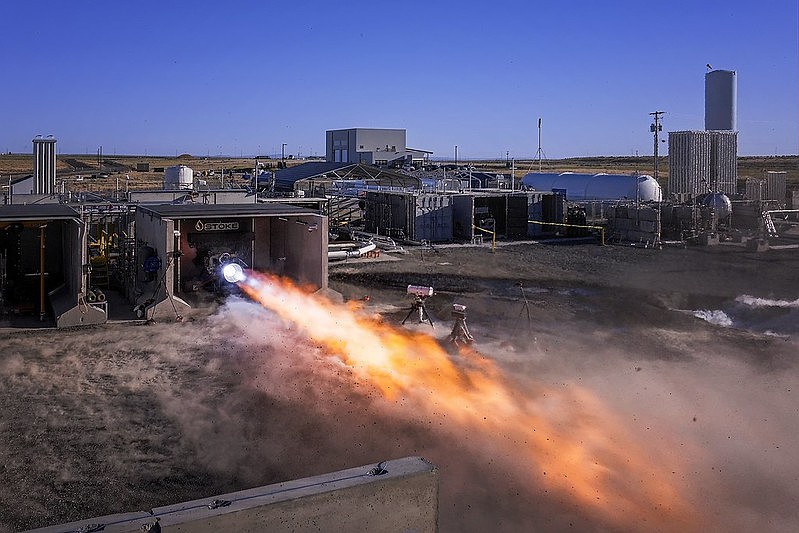
The crew at the Stoke Space Technologies test-fires the company’s first stage rocked at its Moses Lake facility. The company has announced plans to expand in Moses Lake.
COURTESY PHOTO/STOKE SPACE TECHNOLOGIES
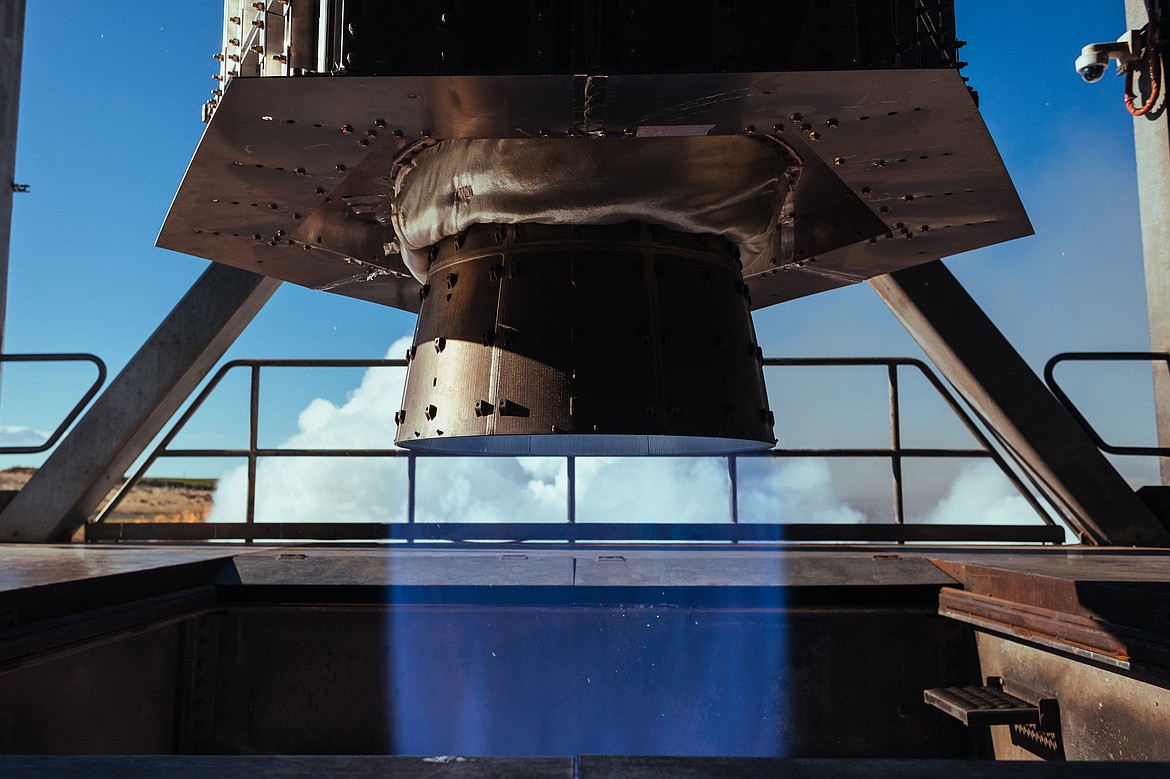
Stoke Space’s Zenith rocked undergoes tests at the company facility on Road G Northeast in Moses Lake.
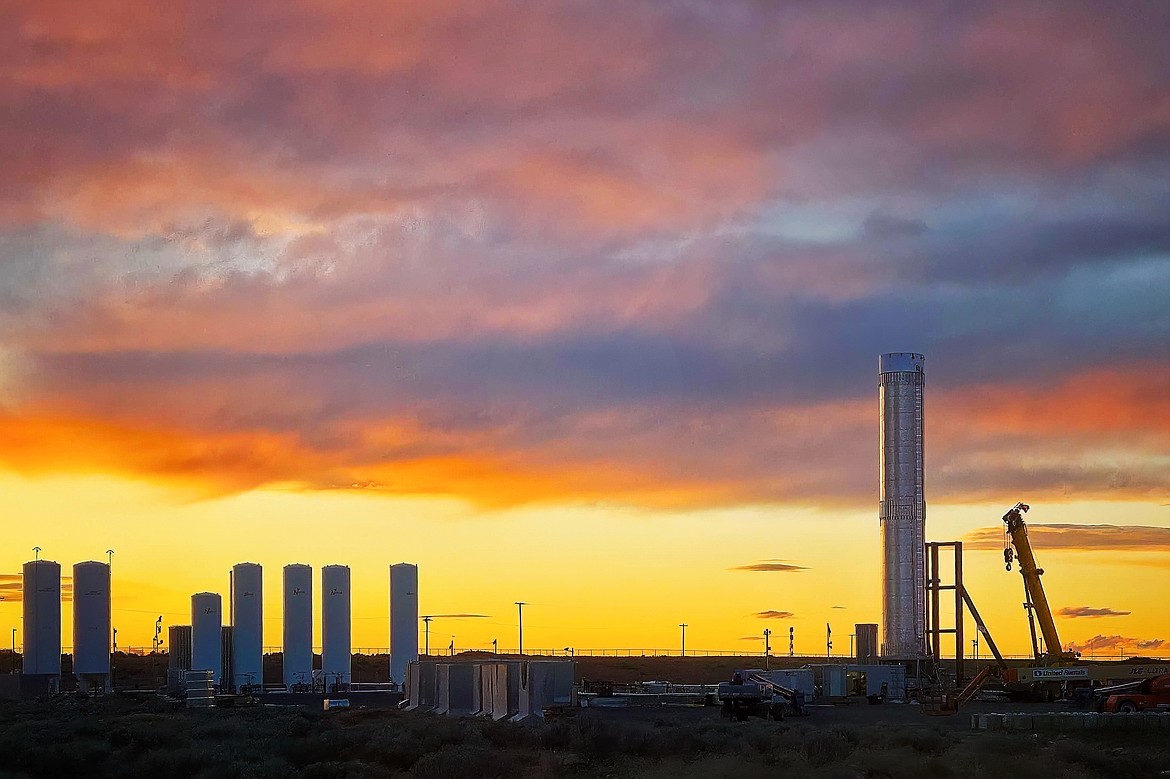
The owners of Stoke Space have announced plans to expand their existing facility in Moses Lake.
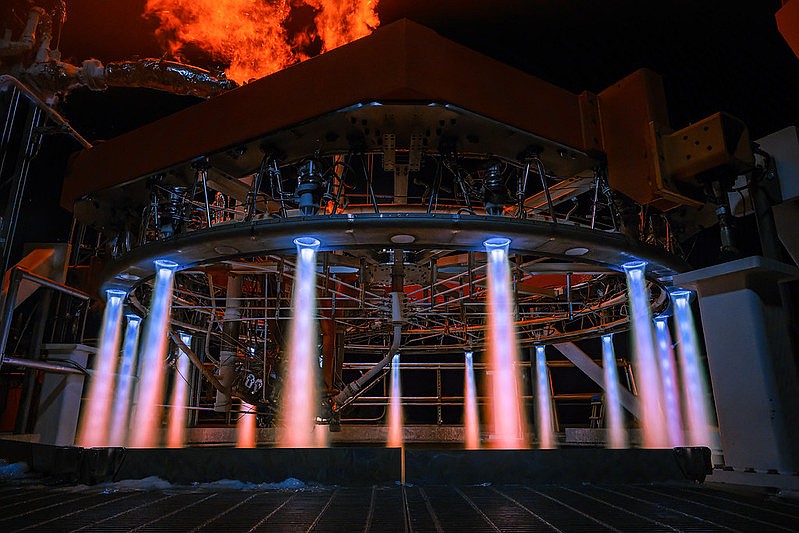
The Stage 2 engine undergoes testing at the Stoke Space facility in Moses Lake.
Senior Reporter Cheryl Schweizer is a journalist with more than 30 years of experience serving small communities in the Pacific Northwest. She began her post-high-school education at Treasure Valley Community College and enerned her journalism degree at Oregon State University. After working for multiple publications, she has settled down at the Columbia Basin Herald and has been a staple of the newsroom for more than a decade. Schweizer’s dedication to her communities and profession has earned her the nickname “The Baroness of Bylines.” She covers a variety of beats including health, business and various municipalities. | August 3, 2026 3:10 AM
MOSES LAKE — A company experimenting with reusable rockets will be expanding its operations in Moses Lake. Stoke Space Technologies will be adding test facilities on 324 acres across the road from its existing location on Road G Northeast at the Port of Moses Lake.
Katherine Cruz, the company’s vice-president at the Moses Lake test site and she oversees operations. She said the company plans to break ground on its new facility as soon as possible.
“The first section over there will be small in scope, and we are hoping to get approval in the second half of this year,” Cruz said.
She said the expansion will help the company accelerate its capacity to conduct its experiments.
“The reason we’re expanding is that we’re continuing to develop the rocket, and there’s a lot of parts," Cruz said. "We’ve grown really fast over the last five years. But there’s a lot more that we could be testing out and ensuring works well and is reliable. So we’re expanding across the street to continue to test those things before we start launching a faster cadence."
Stoke Space has a timeline in mind, she said. “Our company’s goal is to do our first launch this year,” Cruz said.
Stoke Space can test up to five rocket components at a time at its existing facility. Rocket components are set up on what’s called a test stand.
“They all have different purposes because the rocket has many parts, so we’ll fill different test stands suited (for) different parts of the rocket,” Cruz said.
Testing doesn’t always go according to plan – rockets have exploded during testing. Cruz said sometimes the test is designed to push the component to its limits, but sometimes it’s not. Those tests teach the development team something too, she said.
All the testing is designed to build a rocket that will make it more affordable for companies of all sizes to go into space.
“There are some really big players in the launch industry getting customers, getting satellites to space, but it's really expensive," Cruz said. "Most people do rideshare, where there's a lot of customers on one launch, on one rocket. I like to think of it as like taking the bus to space, and it takes you to a bus stop, and maybe not where you want to go, but you're in space. You might need to walk from the stop to wherever you're headed. We like to think of it more like we're going to be direct orbit.”
That cuts both costs and wait times for launch, she said.
“Since we are going to be cheaper and faster, we can take on less customers and take you exactly where you want to go, because it'll be more accessible,” Cruz said. “We do think there's a market for that.”
Cruz said Stoke’s engineers and designers think the key to affordability to make the whole rocket reusable, rather than just sections of it.
“Historically, rockets are built in segments, which we call stages," she said. "Your first stage is what gets you off the ground. Once you're outside of the Earth's atmosphere, the second stage fires and gets you into the orbit that you want. And it’s pretty standard now that the first stage actually lands back on the ground and gets refurbished and reused. But the second stage gets thrown away. It burns up in the atmosphere. It's unusable, and so it’s a really expensive endeavor to go to space.”
The second stage is the tricky part, she said. Rockets routinely return from space, but the second stage doesn’t survive the trip well.
“Either they're covered in ceramic tiles, which are really great at insulating the inside of the capsule from the heat on the outside, but they're brittle, they're expensive, they break, they're hard to repair," Cruz said. "Or there will be coatings. Basically, their job is to burn away and take the energy every entry. It burns up the coating, but it still protects everything behind the coating. When the capsule comes back to Earth, there's a lot of maintenance for both of those types of technologies before you can go again."
Stoke’s engineers are experimenting with an alternative that’s already part of the rocket.
“Instead of pursuing one of those traditional technologies, we have (a protective shield) that actually has liquid hydrogen coolant flowing through it," she said. "That liquid hydrogen is also what we need for propelling the rocket. It's the fuel we used on our rocket engine and it's really great at absorbing the heat, so that is taking the brunt of the heat load to protect what's behind it.”
The company is working to break into what they see as a growing industry, Cruz said.
“Stoke is here to make the first and the second stage reusable," she said. "What that does is it makes it cheaper to go to space, and it makes it faster to go to space because you don't need to rebuild half the rocket every time. That's our primary mission, and that makes space more accessible. What we here in Moses Lake do is, we test all the parts of the rocket that are needed to prove it out on the ground before it launches.”
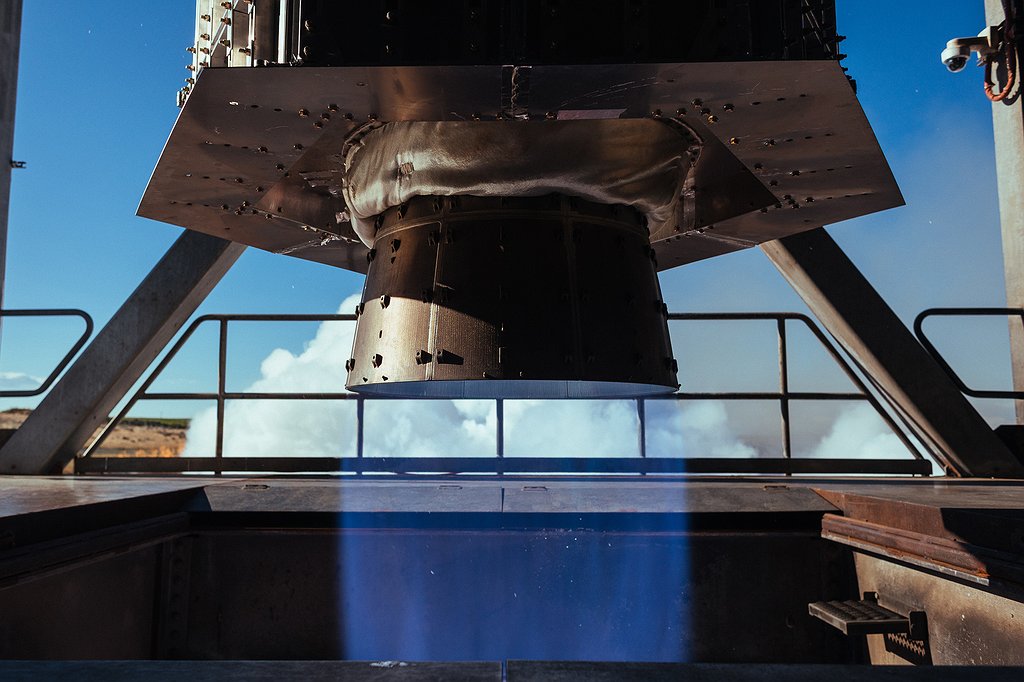 Stoke Space’s Zenith rocked undergoes tests at the company facility on Road G Northeast in Moses Lake.
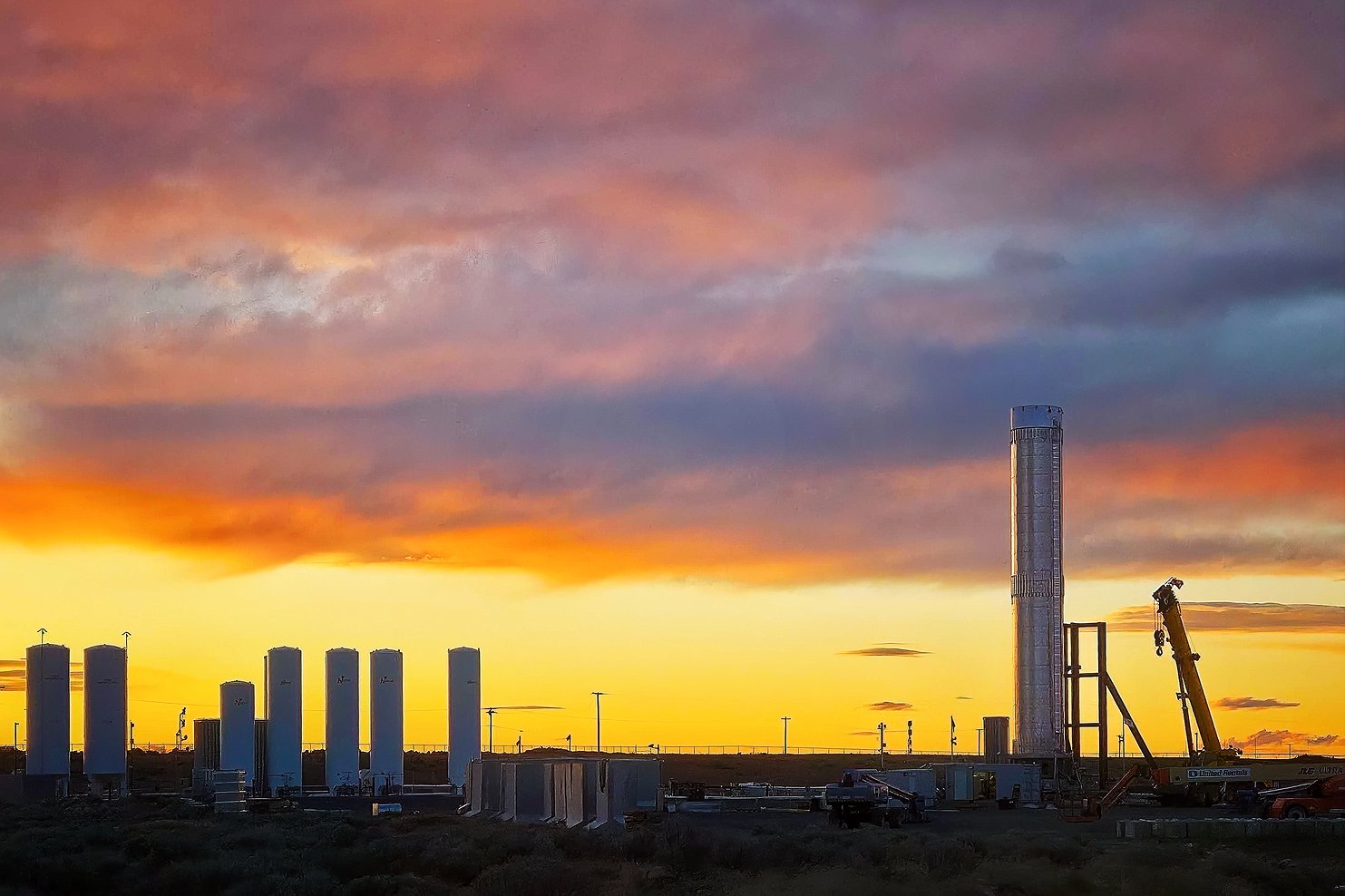 The owners of Stoke Space have announced plans to expand their existing facility in Moses Lake.
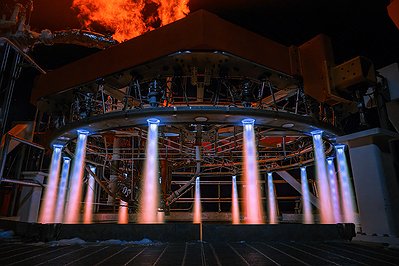 The Stage 2 engine undergoes testing at the Stoke Space facility in Moses Lake.
ARTICLES BY CHERYL SCHWEIZER
Road projects on hold for Labor Day weekend
MOSES LAKE — With Labor Day weekend dead ahead, drivers will be able to move freely about the state. Most road projects are on hold for the holiday weekend. Nobody will be working on the Hansen Road overpass on Interstate 90, but the lane restrictions that are in effect will continue through the end of the project.

Cost estimates for water source alternatives given to Moses Lake City Council
Protected under the U.S. Endangered Species Act, efforts are ongoing to keep it self-sufficient
MOSES LAKE — It’s going to cost a lot of money to provide alternative water sources for the city of Moses Lake, but some of the possible alternatives will cost more than others. City officials provided the Moses Lake City Council with costs for various alternatives Tuesday.

Dryer vent cleaning is important -- but often overlooked
MOSES LAKE — Not all the maintenance a house needs is visible. Sometimes a potential problem just goes unnoticed until it causes trouble, sometimes serious trouble. But a lot of potential problems give off warning signs. Clothes dryers often do when they need a good cleaning.