
Whitefish local transforming Montana's film industry
KELSEY EVANS | Hagadone News Network | UPDATED 2 months, 3 weeks AGO
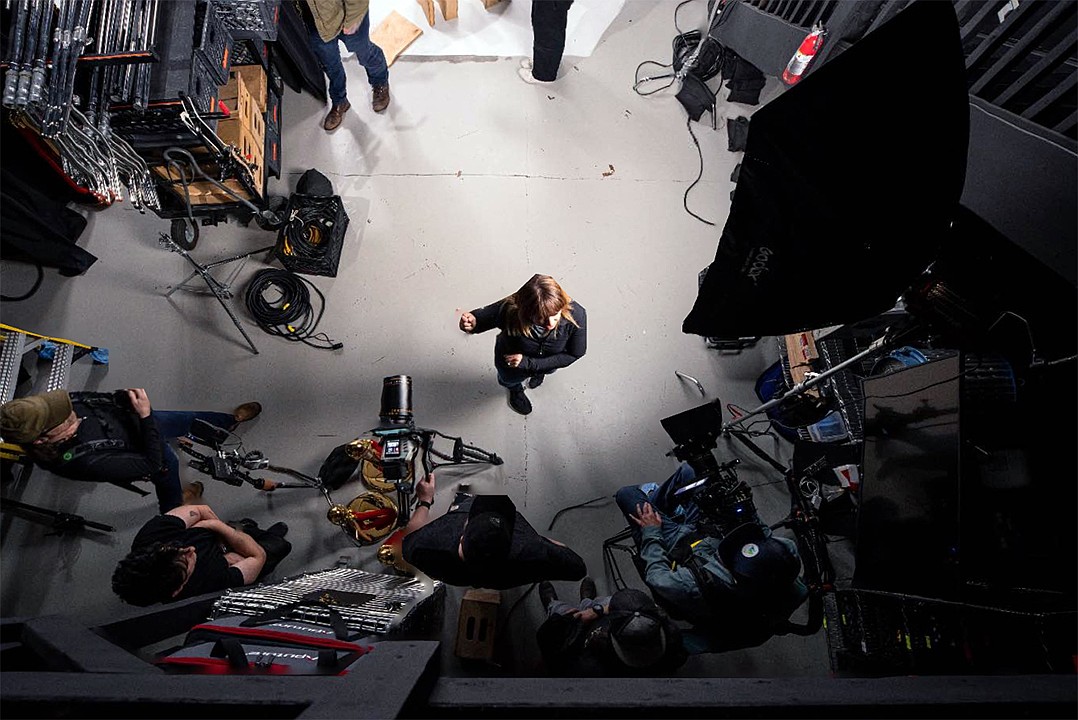
Lynn-Wood Fields is center, directing a shoot. (Photo provided)
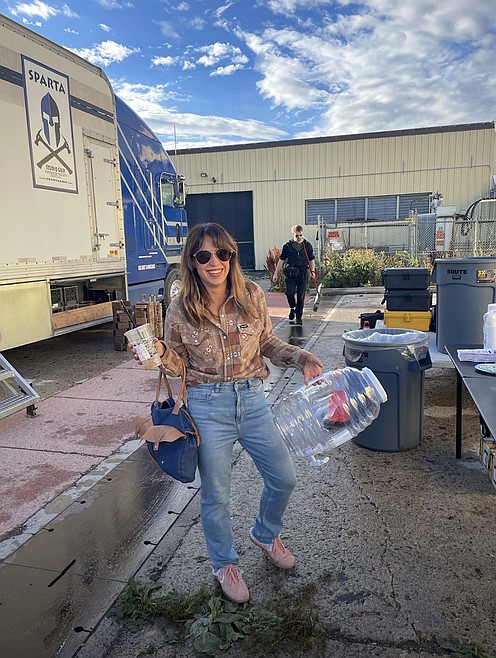
Lynn-Wood Fields as a unit project manager for Story House for the film "St. George." (Photo provided)
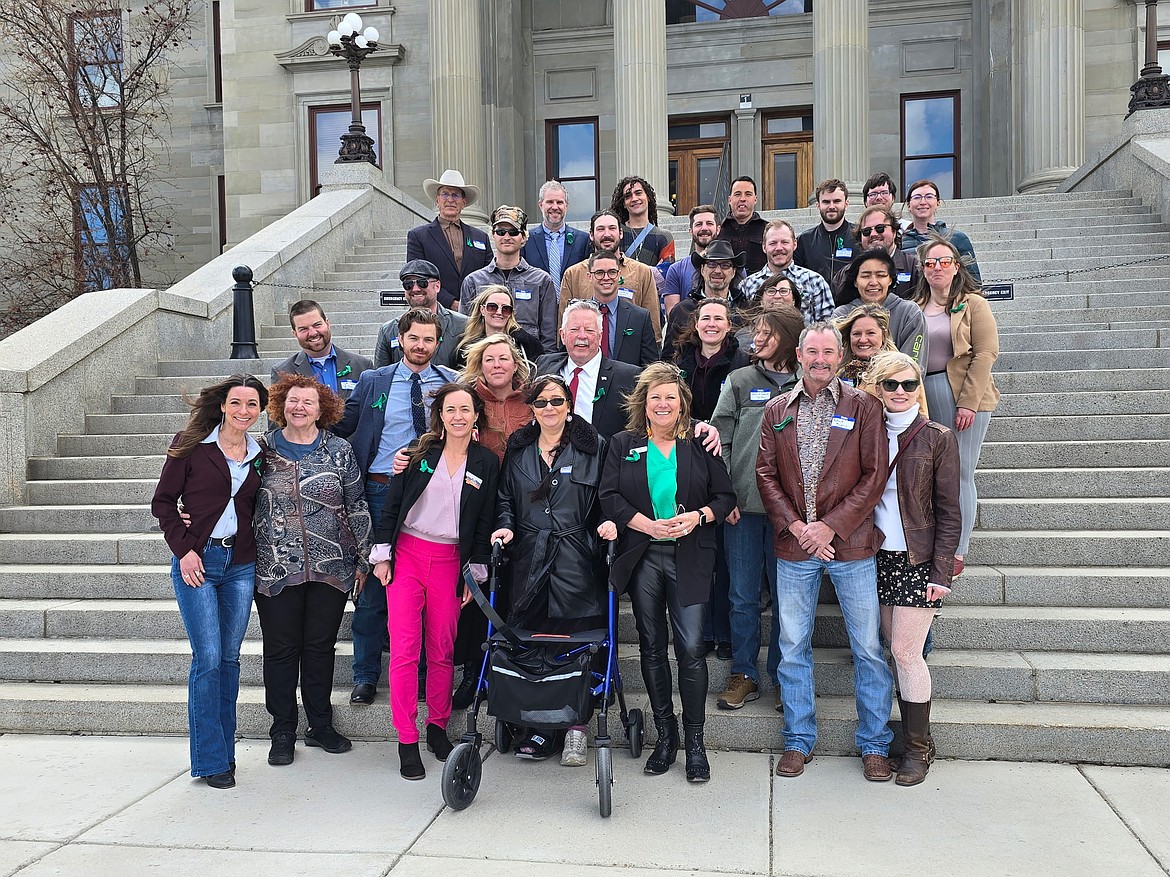
Montana Media Coalition members in Helena in April 2025. (Photo provided)
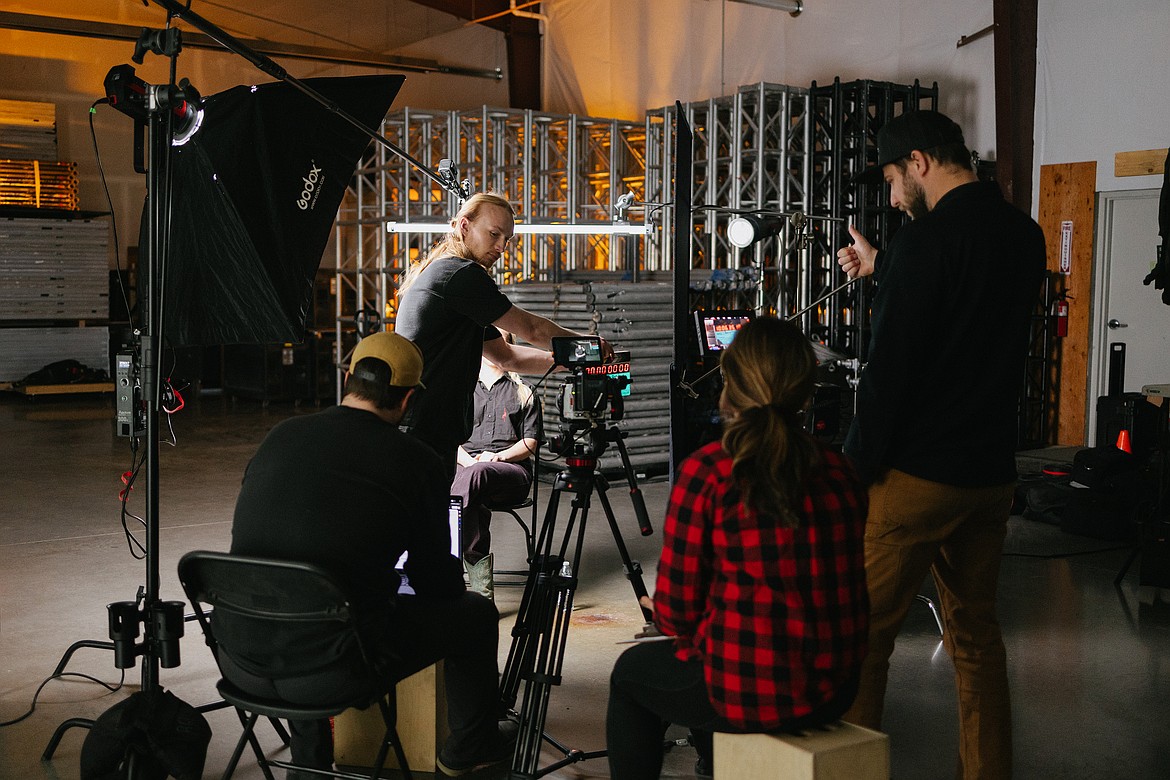
Lynn-Wood Fields, shown in plaid, directing a film in April 2024. (Photo provided)
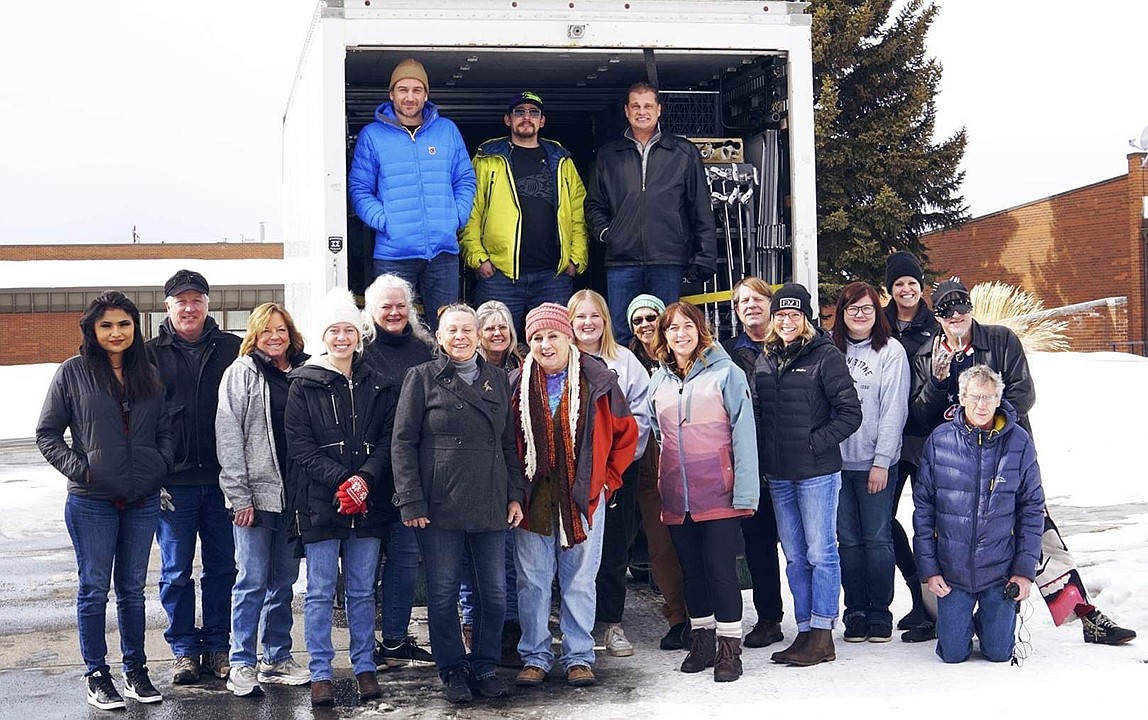
A photo of media training at Flathead Valley Community College in 2023.
Whitefish alum Lynn-Wood Fields has helped revive Montana's film industry not once but twice. Now, she's working to save it from Goliath-level films while training and bolstering a sustainable workforce.
Fields developed an early love for film growing up in Whitefish and has since championed the Montana Economic Development Industry Advancement Act.
Fields recently stepped down as executive director of the Montana Media Coalition to lead community and marketing development for Story House Montana, a developing 47-acre film studio in Missoula.
As a young student in Whitefish, reading "Perma Red" by Debra Magpie Earling inspired Fields to go to film school at the University of Montana.
"Perma Red" is set on the Flathead Indian Reservation in the 1940s. It is the true story of Louise White Elk, a fiery young Native woman who pursues her own freedom, outside of Ursuline Boarding School and dangerous men pursuing her.
In all its complexity and challenges, producing the in-progress "Perma Red" made Fields fall in love with filmmaking.
"I helped write the MEDIA Act in 2018 with 'Perma Red' in mind and now we have no incentive money for it." Fields said. "That is heartbreak for me."
THE MEDIA ACT aims to let Montanans tell Montana's stories, in Montana. The 2019 law offers $12 million annually in tax incentives for media productions.
Tax incentives are a key part of a media project's finances, and without them producers will go elsewhere, according to Fields. About 39 states and Canada offer competing incentives.
According to a Montana Department of Commerce analysis of the MEDIA Act, from July 2024 to May 2026, 213 productions were filmed in Montana, generating $469.7 million in local direct spending. Those productions produced an estimated $241.1 million in economic impact and $19.9 million in tax revenue.
Per a Department of Revenue 2025 testimony, about $1.80 comes back to the state for every $1 invested.
But for local filmmakers, the MEDIA Act's economic success must be taken with a grain of salt. As Montana became the home state of multiple world-stage productions, the incentives were quickly consumed, leaving gaps for films like "Perma Red" without increased funds.
"We saw the writing on the wall, which is, quite frankly, heartbreaking for Montana filmmakers," Fields said. "It became apparent that Montana filmmakers were not at the table."
Not only was the bill expected to sunset in 2029, but "they had taken most of the money," Fields said, referring to Paramount's "Yellowstone" and spin-off shows.
"We wrote that bill also for small film productions," Fields said. "It's a David and Goliath story."
Under Fields' leadership, the Montana Media Coalition rose in response. The coalition is made up of over 200 filmmakers and supporters who began lobbying in 2024 to renew the MEDIA Act.
While projects like “1923” brought significant economic activity to Montana, the coalition sought to establish a stronger year-round industry built on the growth of local productions alongside the occasional blockbusters.
Lobbying was a success and the bipartisan Senate Bill 326 passed in 2025, extending the MEDIA Act's incentive program through 2045.
The legislation made changes to the MEDIA Act to prioritize local businesses and increase credits for employing Montana veterans and tribal members. A portion of credits are now saved for smaller indie projects and for qualified companies that hire local employees.
Only 10% of the allotment will be on reserve to be claimed instead of 100%, and carrying forward is limited, "so not one company can take it all," Fields said.
The Senate bill was a major victory for the media coalition, but its initial proposal to increase the annual tax allotment to $30 million was nixed in favor of maintaining $12 million annually.
The coalition will be present in Helena in 2027. Until then, filmmakers, including Story House Montana, are in a waiting phase for more tax incentive funds.
TAX INCENTIVES are only one part of building a sustainable film industry.
According to Fields, crew and infrastructure are required for a real industry that provides full-time jobs.
Sustainability over extraction, equitable pay and affordable housing are a part of Story House Montana's mission.
"We already have beautiful locations; people want to film here," she said. "It is a green industry for the most part – and it needs to stay gorgeous," she said.
Story House looks to hire up to 400-plus people over the next 4-6 years with initial hiring beginning in 12-18 months. Most of the jobs are blue-collar jobs, putting media manufacturing at a modern-day adjacent to lumber manufacturing.
Story House purchased the Roseburg Wood products plant in northside Missoula after it closed in 2024. They're redeveloping the lumber mill into a 47-acre site with five soundstages, post-production suites, commercial workshops and employee housing.
Story House aligns with a personal mission for Fields, one that goes back to her roots.
"Both my parents [Edwin and Maura] said this: If you live in Montana you're obligated to be of service to Montana. And for me, it has been economic jobs through film. I don't see this as just a Missoula entity at all."
While envisioning her trades-focused, 16-year-old son working at the campus, with good pay and affordable housing, Fields said, "I love the idea that it's a very different footprint than what Paramount did. We're creating housing, we're creating jobs and we're creating training in Montana."
GROWING UP in Whitefish was a dream, especially in the 1990s, Fields said. It was just “quirky” enough to become enamored with film, she explained.
In the 1990’s, Whitefish was "a little undiscovered still and lots of good people, I would say some of the best, influenced me.
"I was surrounded by beautifully colored characters, people who told fantastic stories. My dad was really, really funny. Storytelling was in our bones," she said.
In her youth, Fields was a big snowboarder and wakeboarder with a keen eye for film and books.
"I remember being a little kid and going to Essex [Izaak Walton Inn] and they had a whole room of film," Fields said. "My parents let me watch everything I wanted to that weekend."
While her Whitefish memories are poignant, the opportunities in Montana didn't sharpen to a direct career path in film – something Fields is determined to improve for younger generations.
Fields established the Media Training Center, which offers online courses.
"The [courses] are all the things I wish I had learned. They're about being a crew member on a set, not being a lover of film. It's the skills needed to come onto the set," Fields said.
The courses piloted at Whitefish, Kalispell, Missoula and Billings schools. At Whitefish High School, three students in a work-based learning program explored film under Fields' mentorship.
Fields' goal is to have the classes accessible for all students and to weed the curriculum into career and technical education courses. She encourages shadowing opportunities and hopes to establish satellite programs in other areas of the state.
"I'm creating the world I want to pass on to my sons," she said.
Bringing it full circle, Fields said the center is proud to have trained 35 Indigenous students so far. The talented individuals are producing films that will, in turn, tell their tribe's stories and contribute to the curriculum.
"Just like I believe Montanans should tell Montana's stories, I believe tribal filmmakers should be telling their tribe's stories," she said. "I want [scholarships] to go towards the right people telling the right stories."
Editor Kelsey Evans can be reached at 406-862-3505 or [email protected]. If you value local journalism, pledge your support at whitefishpilot.com/support.
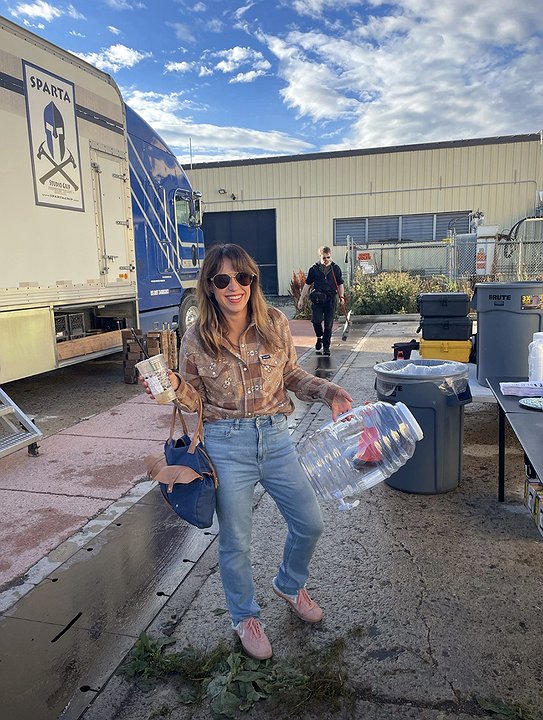 Lynn-Wood Fields as a unit project manager for Story House for the film "St. George." (Photo provided)
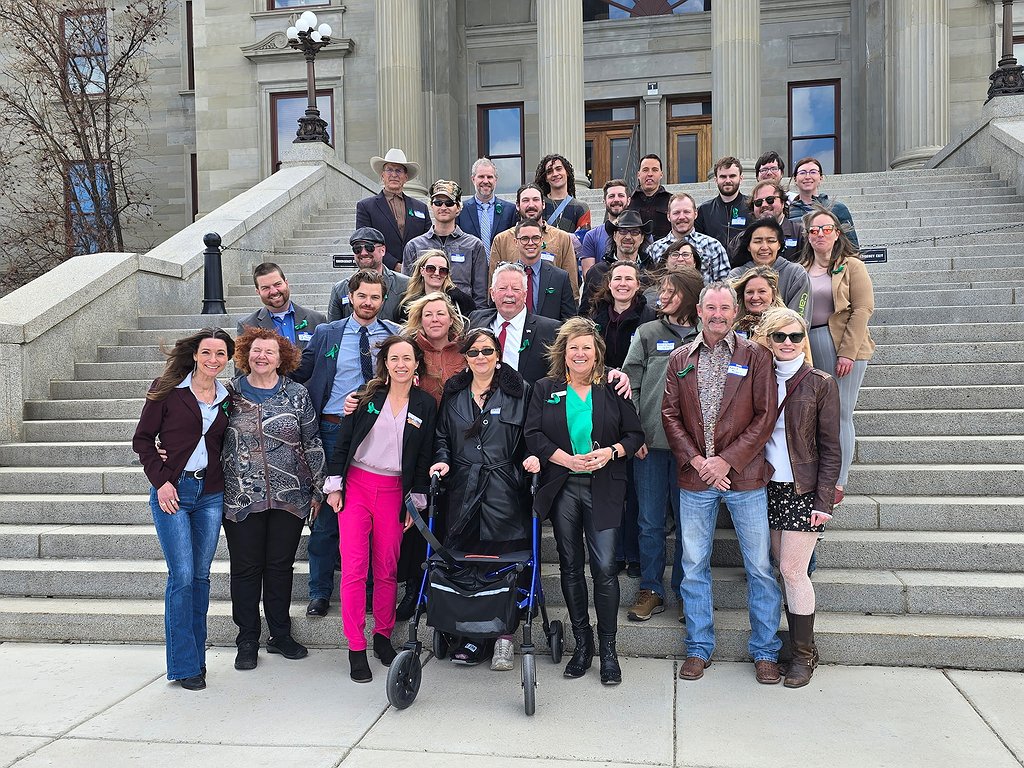 Montana Media Coalition members in Helena in April 2025. (Photo provided)
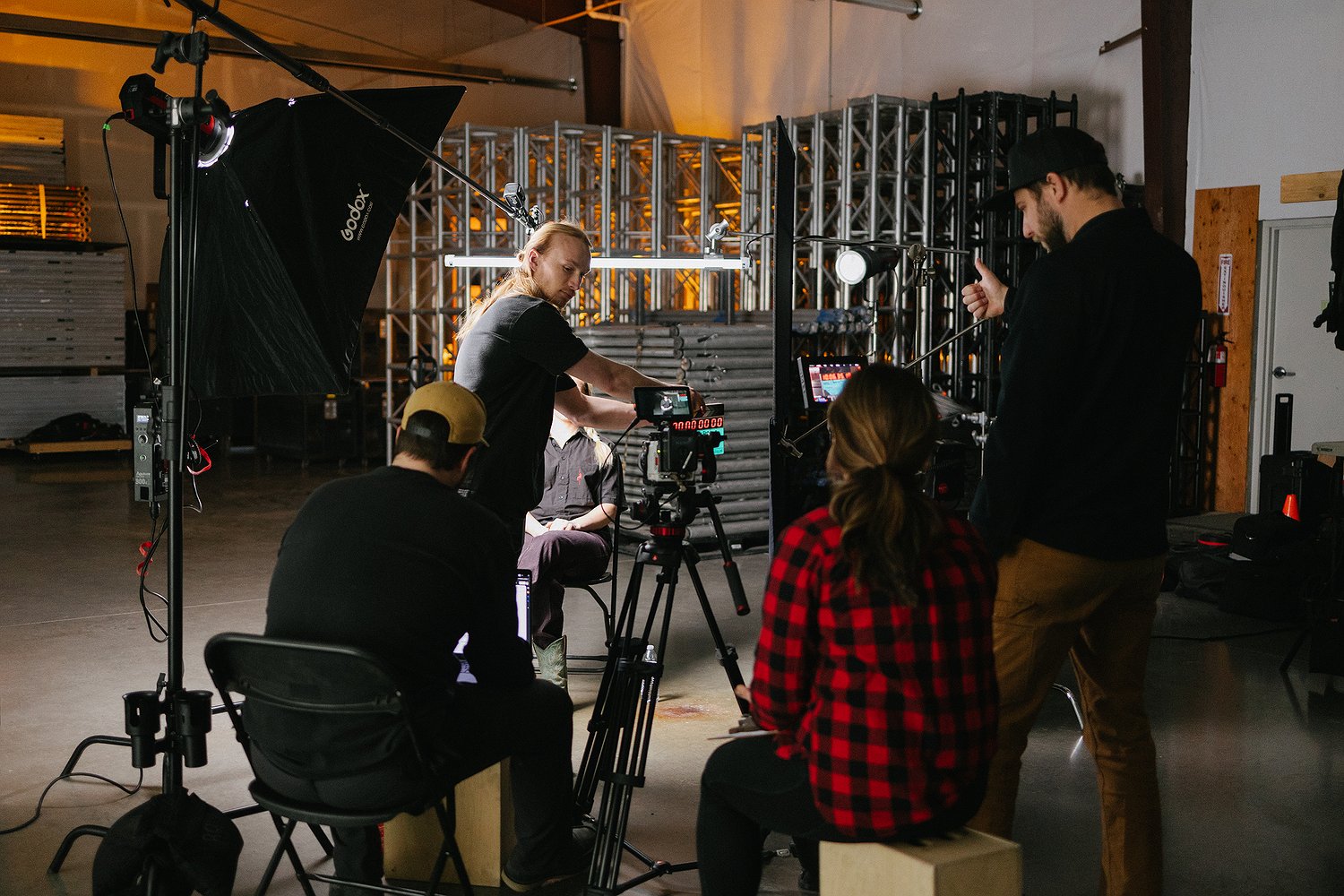 Lynn-Wood Fields, shown in plaid, directing a film in April 2024. (Photo provided)
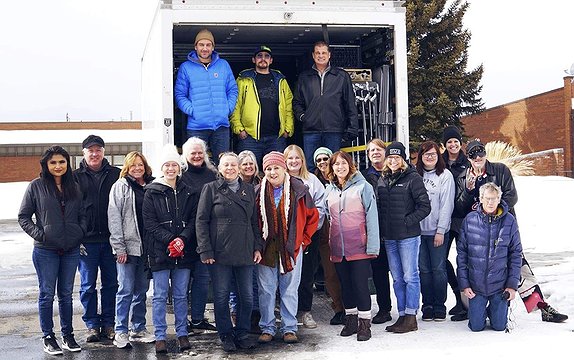 A photo of media training at Flathead Valley Community College in 2023.
ARTICLES BY KELSEY EVANS

Haskill Creek group seeks permit to host events at Voerman Road property
Haskill Creek Farms on Voerman Road in Whitefish has applied for a Flathead County conditional use permit for a “recreational facility” with the intention of hosting small-to-medium sized events.

Whitefish snowboarder premieres hitchhiking film ‘Mosey’
Jason Robinson’s hitchhiking, snowboarding odyssey film “Mosey” premieres at the Whitefish Performing Arts Center on Friday, Oct. 23.

Election 2026: Newcomer Peachey seeks House District 3 seat
Whitefish Republican Derek Peachey is running for House District 3.