
Columbia Falls Historical Society steps into new era
TAYLOR INMAN | Hagadone News Network | UPDATED 1 month, 3 weeks AGO
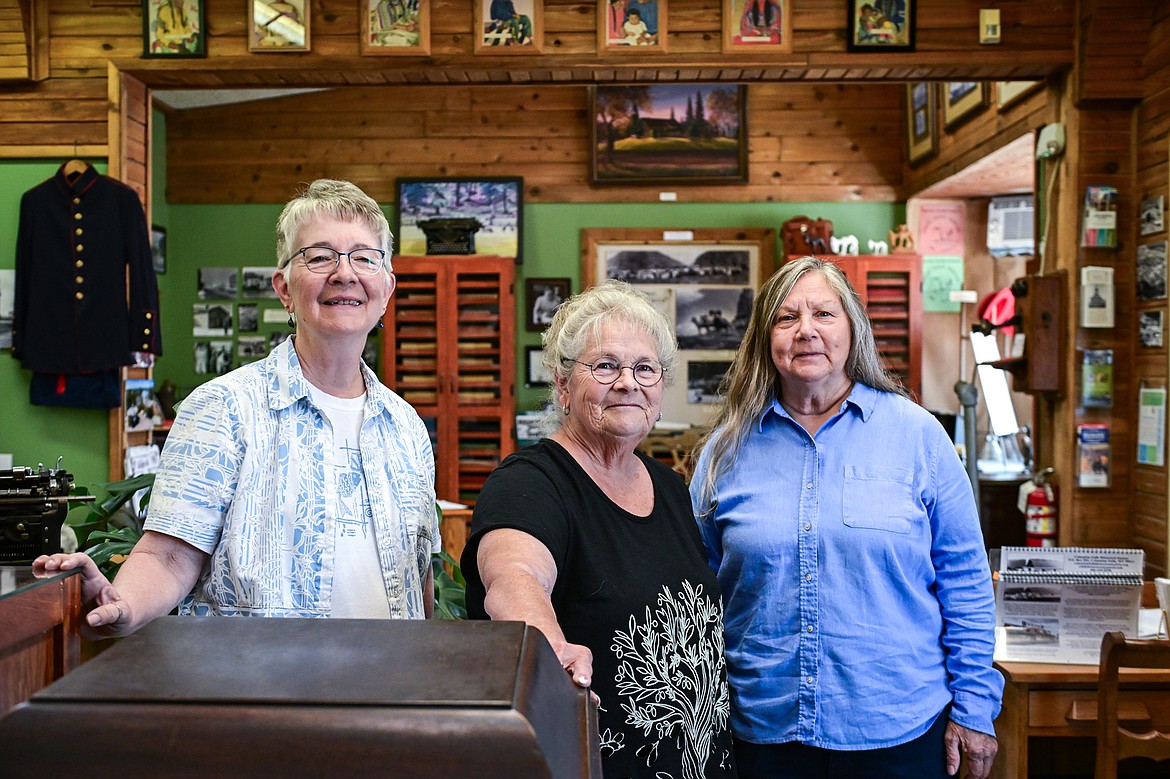
Susan Stapley, Peg Sorensen and Robin Kiser at the Columbia Falls Historical Society on Wednesday, July 29. (Casey Kreider/Daily Inter Lake)
Casey Kreider
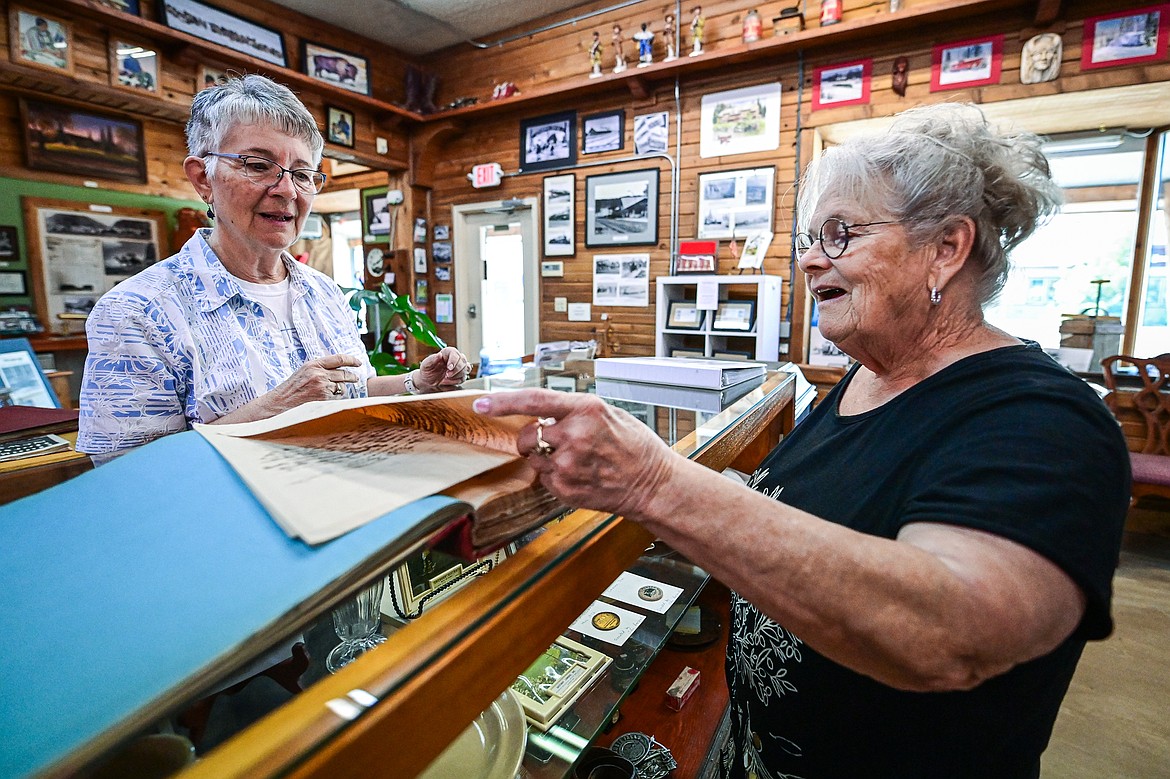
Susan Stapley and Peg Sorensen page through a Japanese letter-copying book containing historical letters from the Northern International Improvement Association, which laid out the original Columbia Falls townsite in 1891, at the Columbia Falls Historical Society on Wednesday, July 29. (Casey Kreider/Daily Inter Lake)
Casey Kreider
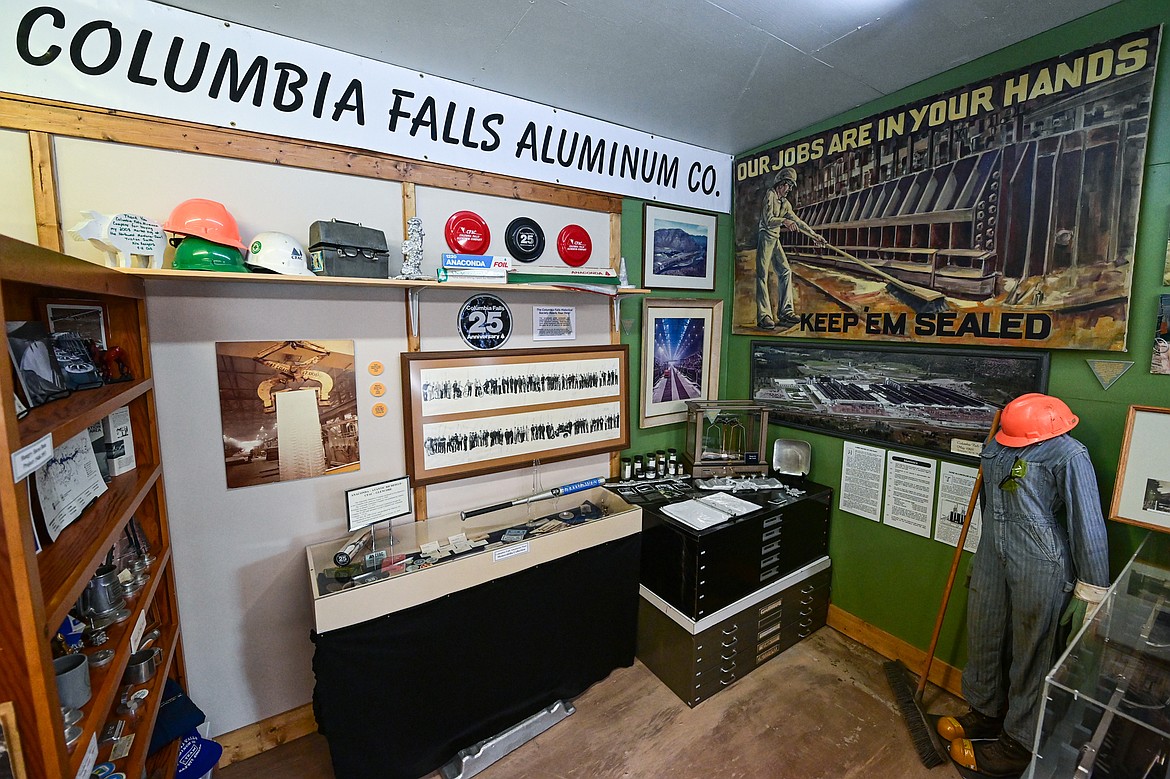
A portion of a display about the Columbia Falls Aluminum Company at the Columbia Falls Historical Society on Wednesday, July 29. (Casey Kreider/Daily Inter Lake)
Casey Kreider
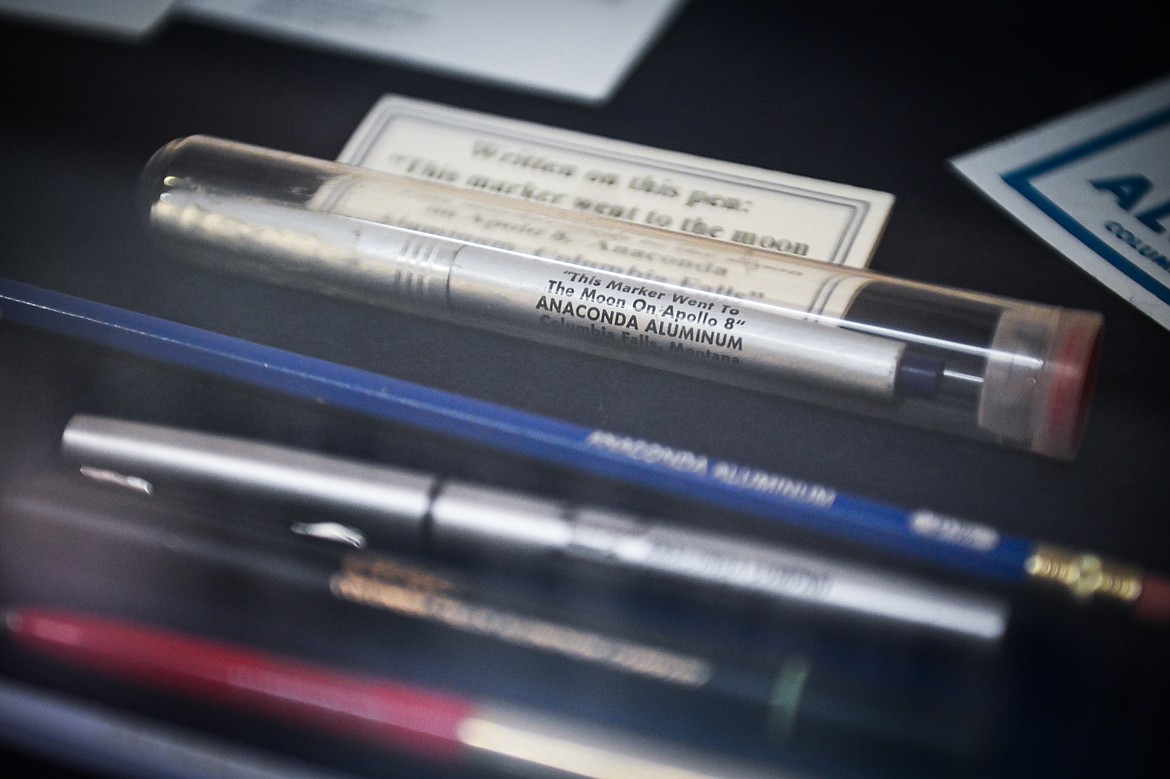
A marker made of aluminum at the Anaconda Aluminum Company in Columbia Falls that traveled to the moon and back on NASA's Apollo 8 mission is shown as part of a display about the Columbia Falls Aluminum Company at the Columbia Falls Historical Society on Wednesday, July 29. (Casey Kreider/Daily Inter Lake)
Casey Kreider
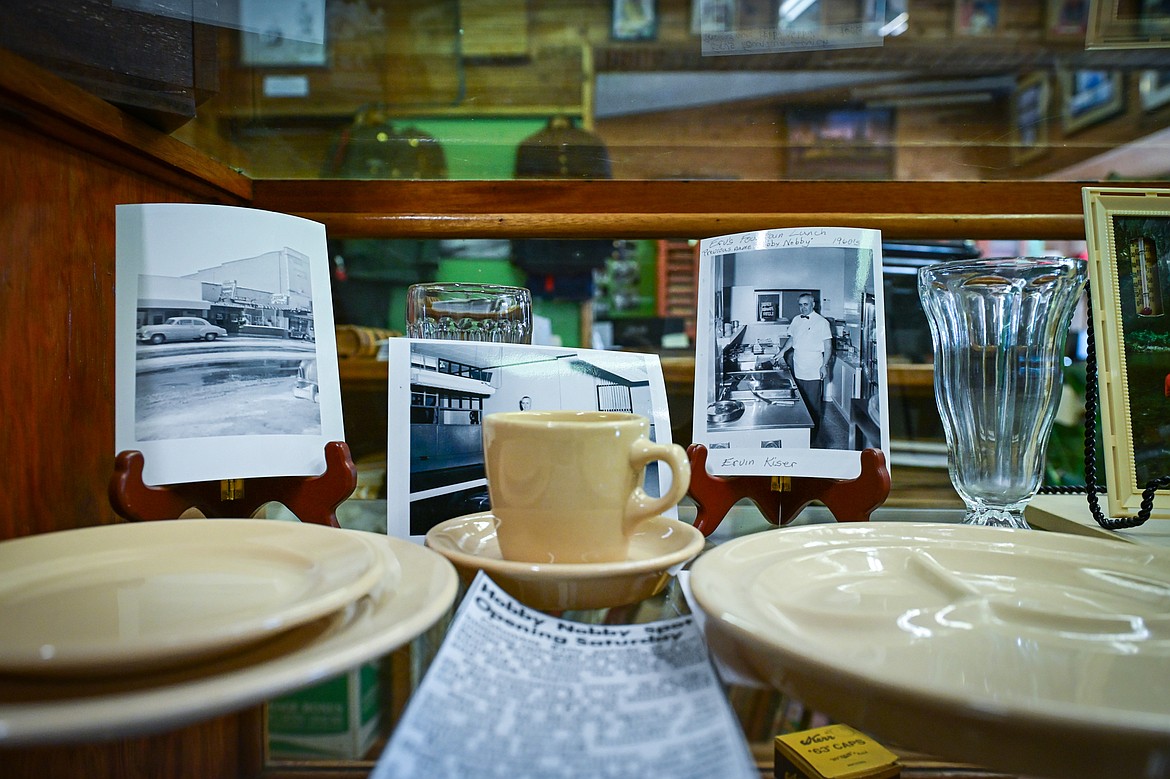
A portion of a display about Erv's Fountain Lunch owned and operated by Ervin Kiser, which previously was named the Hobby Nobby, at the Columbia Falls Historical Society on Wednesday, July 29. (Casey Kreider/Daily Inter Lake)
Casey Kreider
REPORTER AND PODCAST HOST Taylor Inman covers Bigfork and the north shore of Flathead Lake for the Bigfork Eagle and the Daily Inter Lake. Her reporting focuses on local government, community issues and the people who shape life in Northwest Montana. Inman began her journalism career at Murray State University’s public radio newsroom and later reported for WKMS, where her work aired on National Public Radio. In addition to reporting, she hosts and contributes to Daily Inter Lake podcasts including News Now. Her work connects listeners and readers with the stories shaping communities across the Flathead Valley. IMPACT: Taylor’s work expands local journalism through both traditional reporting and digital storytelling. | August 10, 2026 1:05 AM
The new museum space for the Columbia Falls Historical Society tells the story of a railroad town settled by homesteaders, bolstered by industry and flanked by federal lands.
It wasn’t until 2022 that the historical society had a building to house items in its collection, according to Board Chair Peg Sorensen. Her late husband Stu was part of the historical society from the beginning, which led to her eventual involvement. The organization incorporated as a nonprofit in 2008.
The first museum space was in the basement of the Gateway Building off Nucleus Avenue, but last year, the move was made to a new building at 639 9th St. W, the former Sundrop Health Foods store.
It’s far bigger than the last place, but Sorensen said it only holds a fraction of the entire collection.
“And to tell you the truth, if we unpacked everything we had, we could use two rooms this size,” Sorensen said.
Current exhibits are broken up into different subjects pertinent to the area’s history, like Glacier National Park, Bob Marshall Wilderness, building of the Hungry Horse Dam, rise and fall of the Anaconda Aluminum Co. and the early homesteader days, when the town was named Monaco.
Outreach Coordinator Susan Stapley said people often don’t realize how much interesting history takes place in Columbia Falls.
“Like the Hungry Horse Dam, when it was built it was the third largest and second tallest concrete dam in the world when it was completed in 1951,” Stapley said. “Glacier National Park had around 500,000 visitors at that time, with the dam attracting about half as many — so it was a big deal when it was being built.”
There are items from the aluminum plant donated to the historical society before its final closure. Relics from early National Park rangers and tools used by early settlers — like axes and pots and pans. The walls are also lined with historic maps and photos of Columbia Falls residents throughout the decades.
Volunteers of the historical society like Robin Kiser get to spend time researching areas of interest. For her, this includes genealogy, tracking down information about the old main street and early families like the Talbots.
“I'm trying to work on the Holcombs right now, which settled up in the North Fork. I know a descendant of that family,” Kiser said. “There was a Holcomb that was sent to look for a road access up to the coal and the gas ... I came across his name when I was researching Talbot.”
Sorensen said the museum is always looking for items related to the area’s history, but they want to put together a more complete exhibit honoring veterans. They currently have a POWMIA table and are looking for uniforms, photos and documents of soldiers.
Locals can browse years of documents and photos — Sorensen said they often see people identifying relatives in old yearbook or team sports pictures.
There are a variety of people who walk through the door, as Stapley said there are many out-of-town visitors to the museum who seek out those kinds of institutions when they travel.
“We get all ages and it is surprising to me how many people stop that are on vacation. When they come in they'll say, ‘Oh, we always stop at the local museum when we go to a new town,'” she said.
There's no admission to the small museum, but volunteers are always trying to find ways to raise funds for operations. The biggest expense is rent, Sorensen said, and the aim is to make around $20,000 annually to cover its cost.
Over the years, the members have reached out to other museums in the area to get ideas for fundraising. Along with the advice, Stapley said they’ve had a lot of encouragement from other local organizations.
Volunteers baked pies that were auctioned off at the 70th annual Heritage Days, which took place at the end of July. The historical society also auctioned off a quilt.
The museum has also started to apply for more grant funding, like the $8,000 awarded to the organization in April by the Foundation for Montana History, which will go toward the creation of a collection of oral histories from elderly people in Columbia Falls.
The project will record approximately 20 oral history interviews with elderly community members on various historical topics, with results to be shared on the Montana History Portal.
The museum volunteers are also interested in establishing a monthly speaker series to educate the community. In August, someone from the U.S. Bureau of Reclamation is coming to speak about the history surrounding the Hungry Horse Dam.
They’ve had success with these talks in recent years, like a presentation from Bill Workman, longtime packer for the U.S. Forest Service. An online posting for an event from a member of the Cowboy Hall of Fame reached around a thousand people.
“I said, ‘Well, if we have that many people, we’ll just celebrate,’” she said.
Around 100 people ended up attending the event, which also included a chili feed. Workman is set to come back this winter for another talk.
As the historical society moves into this new chapter, filled with new projects, more visibility and a new space, the organization could always use more volunteers. This includes anyone interested in research, constructing exhibits or manning the desk at the museum.
“The big thing for me is to have people know that we exist, connect them to our history, and to preserve the history that's here,” Kiser said.
Reporter Taylor Inman can be reached at 406-758-4440 or [email protected]. If you value local journalism, pledge your support at dailyinterlake.com/support.
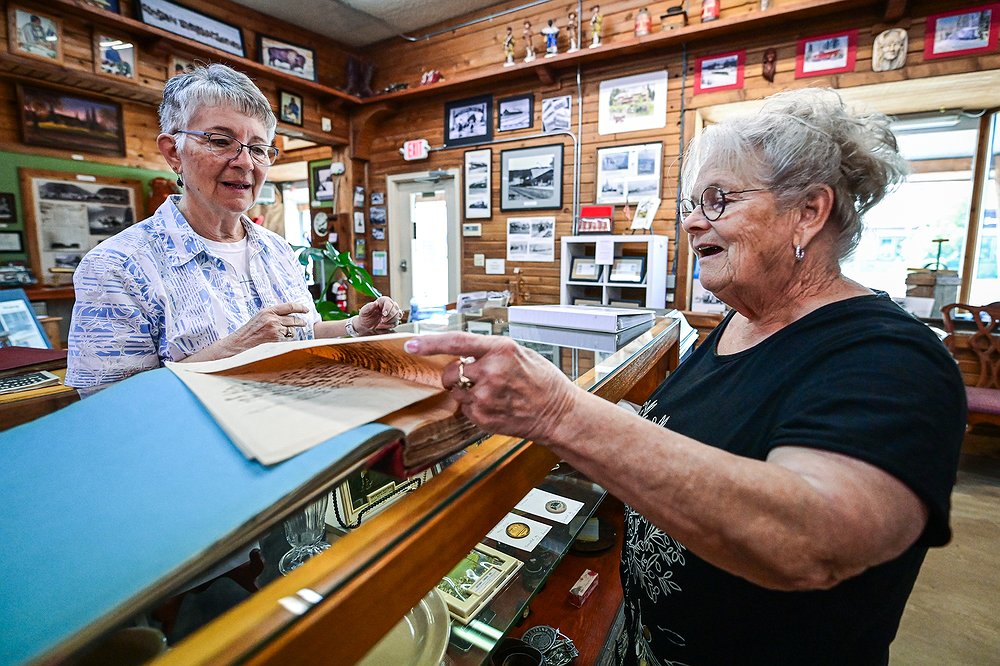 Susan Stapley and Peg Sorensen page through a Japanese letter-copying book containing historical letters from the Northern International Improvement Association, which laid out the original Columbia Falls townsite in 1891, at the Columbia Falls Historical Society on Wednesday, July 29. (Casey Kreider/Daily Inter Lake)
Casey Kreider
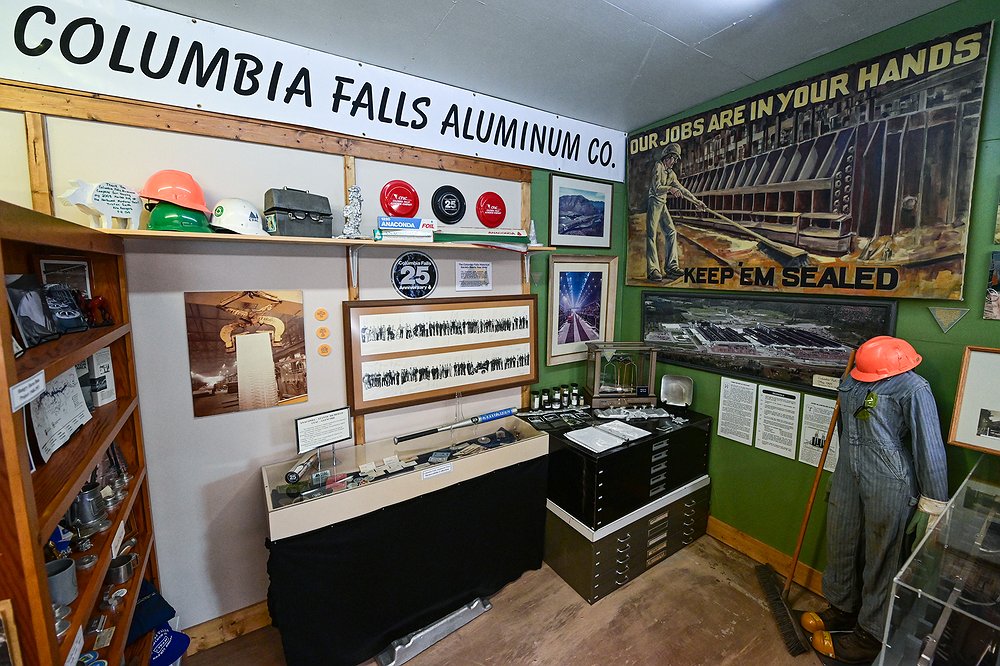 A portion of a display about the Columbia Falls Aluminum Company at the Columbia Falls Historical Society on Wednesday, July 29. (Casey Kreider/Daily Inter Lake)
Casey Kreider
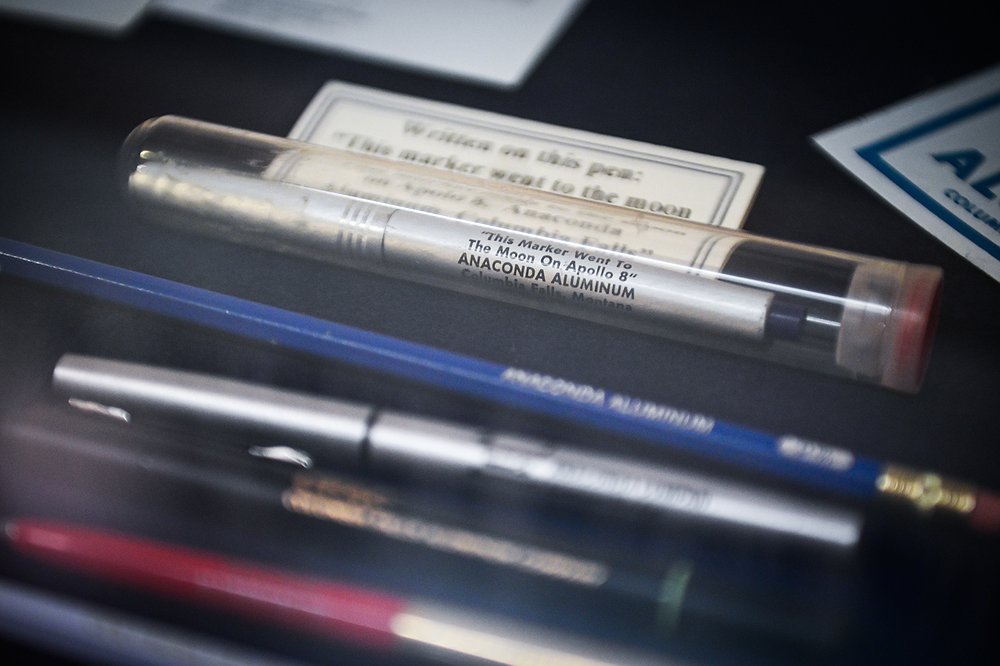 A marker made of aluminum at the Anaconda Aluminum Company in Columbia Falls that traveled to the moon and back on NASA's Apollo 8 mission is shown as part of a display about the Columbia Falls Aluminum Company at the Columbia Falls Historical Society on Wednesday, July 29. (Casey Kreider/Daily Inter Lake)
Casey Kreider
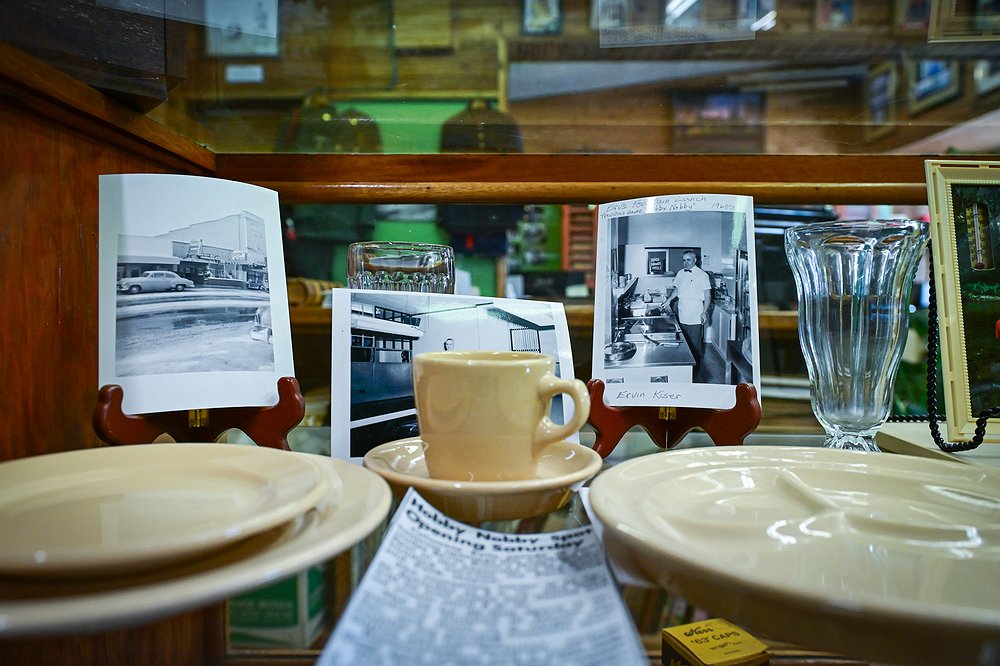 A portion of a display about Erv's Fountain Lunch owned and operated by Ervin Kiser, which previously was named the Hobby Nobby, at the Columbia Falls Historical Society on Wednesday, July 29. (Casey Kreider/Daily Inter Lake)
Casey Kreider
ARTICLES BY TAYLOR INMAN
No measles cases identified in Flathead County following recent exposure alert
The Flathead City-County Health Department hasn’t identified any measles cases in the county following an exposure alert that originated in the West Glacier area at the beginning of September.
Deep Dive: Outdoor Lab part one, watermelon snow and bumble bee detectives
Daily Inter Lake reporter Hailey Smalley talks with host Taylor Inman about the first of her two stories in her Outdoor Lab series - snow algae at Logan Pass and a bumble bee survey in an alpine meadow.

Logan Health nurses union ratifies new contract with major across-the-board raises
Nurses at Logan Health in Kalispell say their newest union contract includes "life changing" pay raises that benefit both tenured and new nurses.