Westlund warns of major deficit
JACK DEWITT | Hagadone News Network | UPDATED 1 month, 4 weeks AGO
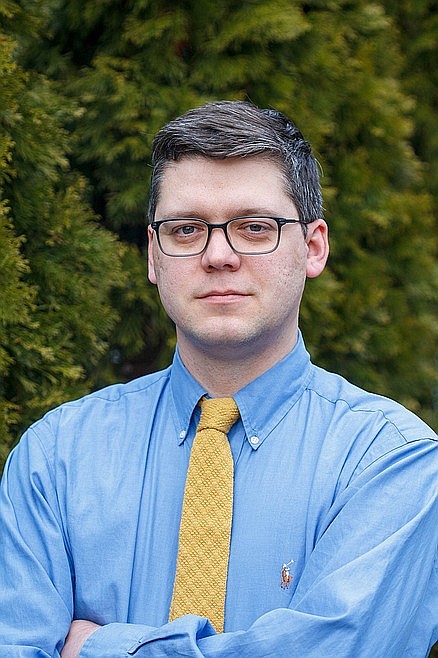
Westlund
POST FALLS — Post Falls Mayor Randy Westlund took to social media to publish a plan to streamline local government Monday and is seeking public feedback before bringing it before the City Council.
“The city is in a difficult financial position,” Westlund wrote. “Inflation and skyrocketing expenses have far outstripped tax revenue, driving us towards insolvency.”
Westlund said that residents are “starting” to feel the effects of the devaluation of the American dollar and that many municipalities are feeling the same constraints.
Westlund said that Post Falls will be different than other cities and other municipalities and will not “raise taxes by the maximum amount, put levy overrides on the ballot, burn through savings and hope things get better.”
“Government must live within its means just like everyone else,” he wrote.
Westlund said the city has a structural gap that is driving the financial issues and tax revenue is not keeping up with the rising costs, even just the cost for “maintaining the current levels of service.”
Westlund’s plan contained a 10-year forecast of the city’s finances that estimates a $16.8 million deficit per year. Included in the forecast is a 3% tax hike every year, no new hires and no new police officers to keep up with growth.
According to Westlund, if one were to include those into the forecast, the city’s yearly deficit would then increase to $26.9 million.
He cited health insurance, wages, equipment and vehicles among the rising costs.
Westlund said property taxes are a problem.
“Idaho is different,” he wrote.
He said that each taxing district has a dollar amount imposed by property tax and that as property values go up, the levy rate goes down. Whereas in most other states, the property tax is assessed as a percentage of the property’s value. Meaning that when something like demand or inflation increases a property’s dollar value, the taxes will increase alongside that dollar value.
“Every property could double in value, and cities would not get any additional tax dollars!” he wrote.
Westlund’s plan has four strategies, many of which are already in motion.
Strategy 1: Efficiency
Westlund's plan would have the city not automatically fill positions when they become open and would instead determine if operations can be completed without the position or whether or not other roles could be adjusted to cover the work that was being done. It would have the city sell off certain properties, or find a way to decrease the maintenance costs. The city would roll out an efficiency program.
Strategy 2: Grow Revenue
The plan would have department heads pursuing new grant opportunities and have departments re-evaluate user fees.
It also would have the city seek to increase density or infill development in downtown or other areas close to major streets rather than “expanding all over the prairie.”
Strategy 3: Reduce Services
Westlund said the city does not have the information it needs to make decisions about what services to cut. He said the city has explored priority-based budgeting, but that it is a “complex long-term project” and that the “cost benefit analysis is unclear.”
The plan’s strategy for determining what services to reduce or cut would be implemented in three waves.
Westlund's plan would have city administrators sort services based upon priority before a “long workshop” with council to discuss council priorities as it relates to each service. Westlund also said that he desires citizen input using a “combination of online surveys, in-person workshops, and a public hearing.”
“The goal is to come away with a list of lower priority items to consider for reform or service cuts,” he wrote.
Strategy 4: Legislative Change
Westlund said legislative changes have shifted the cost of growth onto residents, eroded local control over budgets, removed incentives to defer tax increases and effectively forced property taxes to increase to make up for state deficits.”
“We need legislative change and creative ideas for funding local government and infrastructure,” he wrote.
The City Council is meeting to discuss the Fiscal Year 2027 General Fund budget, among other items, at 6 tonight at City Hall. The meeting is open for public comment.
ARTICLES BY JACK DEWITT

Little leads in fundraising
Idahoans are primary donors to gubernatorial candidates

Local seniors sound off on Social Security increase
Some say it will increase Medicare premiums