Starting 2026 with a plan is key to fiscal management
CHERYL SCHWEIZER | Hagadone News Network | UPDATED 2 months AGO
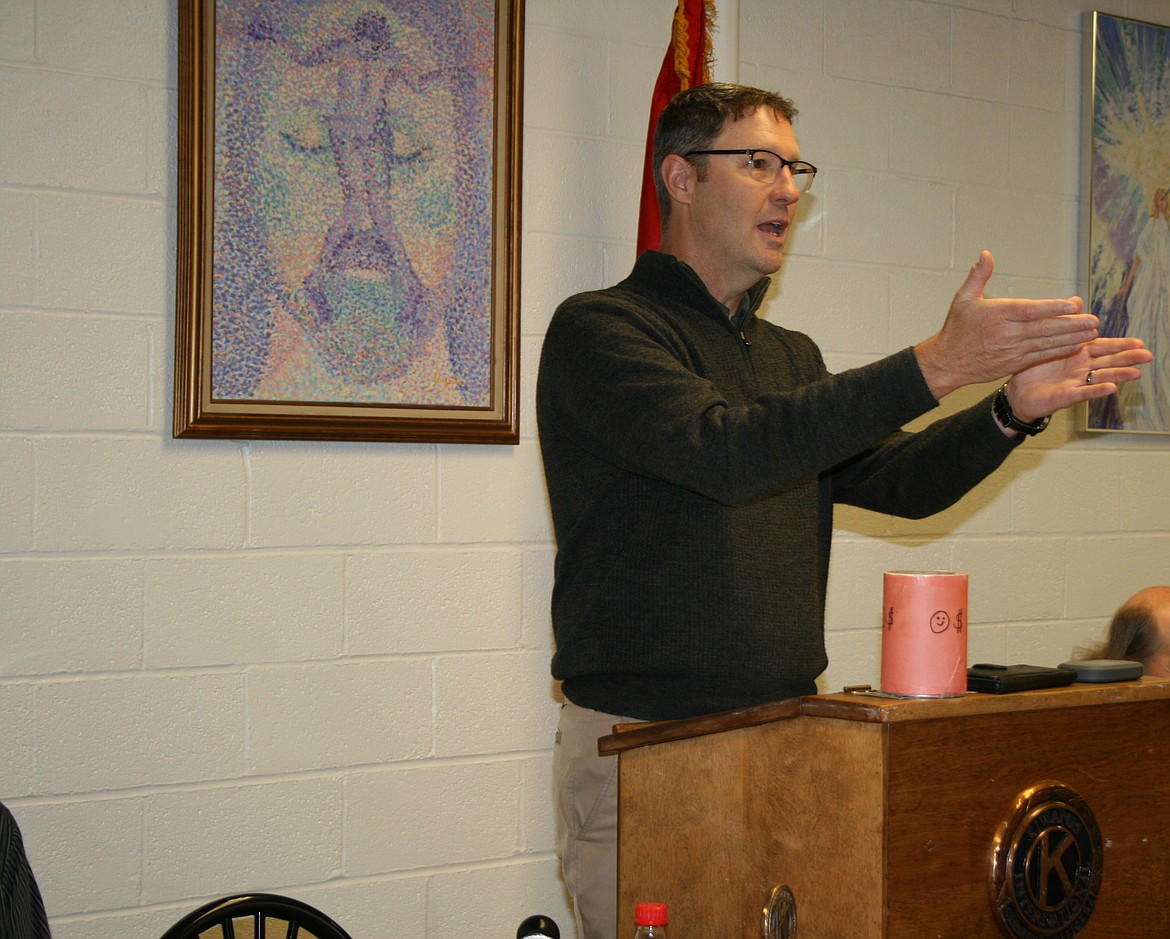
James Shank said successful fiscal management starts with a plan.
FILE PHOTO
Senior Reporter Cheryl Schweizer is a journalist with more than 30 years of experience serving small communities in the Pacific Northwest. She began her post-high-school education at Treasure Valley Community College and enerned her journalism degree at Oregon State University. After working for multiple publications, she has settled down at the Columbia Basin Herald and has been a staple of the newsroom for more than a decade. Schweizer’s dedication to her communities and profession has earned her the nickname “The Baroness of Bylines.” She covers a variety of beats including health, business and various municipalities. | January 5, 2026 3:00 AM
MOSES LAKE — January, being the season to take stock and resolve to do better, one of the places where people usually resolve to do better is their finances. People resolve to save more, spend more wisely, all the things. How to do it is the question and it starts, said James Shank, Moses Lake, a financial advisor with Edward Jones, with an analysis.
“What you need versus what you want versus what you’re trying to save for the future,” he said. That includes an analysis of spending patterns. “Here’s what I do on a daily basis.”
Financial advisors at Gesa Credit Union said in a press release that people should review the entire previous year to see where they were spending money. That information is crucial to figuring out what to do next, the Gesa release said. Writing it all down and planning ahead makes fiscal discipline easier, Shank said.
The spending analysis can be enlightening, the Gesa release said.
“Actually, look at where your money went. Not where you think it went—where it actually went,” it said. “Most people are surprised, and not in a good way.”
Whether or not outgo is higher than income – but especially if outgo is higher than income – people can use that information to see where they need to adjust how they’re spending money, Shank said. He cited a daily stop at a coffee stand.
“Buying that coffee is a habit,” he said.
Making the adjustment can be a challenge, he said, but it gets easier over time.
“The biggest thing is developing those habits,” he said.
With the information gained from a spending analysis, people can start looking at areas where they can direct spending. There’s often more money there than people realize, the Gesa release said.
“A lot of people say, 'I have nothing left,' but haven't actually tracked their spending. The money is often hiding in plain sight—subscriptions you forgot about, convenience purchases that add up, lifestyle creep you didn't notice,” it said.
That’s when the work of changing habits begins.
“Once you've got that picture, identify one or two areas where you consistently overspend. Not 10 areas. One or two. Trying to fix everything at once is the fastest way to fix nothing,” the Gesa release said.
Shank suggested allocating money where it needs to go, starting with monthly expenses.
“You’ve got to pay your bills,” he said.
After that, people can divide what’s left depending on how they want to spend it – a certain amount for short-term spending, like that daily coffee, and a certain amount for mid-range goals, like a car down payment or travel. The third savings category would be long-term goals, like retirement.
Shank said a system that allocates money to various parts of the spending plan right when the paycheck arrives helps to stick to it.
“If you put that money away before it goes in your pocket, it’s a lot easier to do,” he said.
The Gesa financial advisors said consistency is the key.
“Small, consistent progress beats dramatic overhauls that don't last. The person who saves $100 a month for 10 years will always beat the person who swears they'll save $1,000 a month and quits by March,” the press release said. “Start where you are. Use what you have. Do what you can. That's enough.”
ARTICLES BY CHERYL SCHWEIZER
Wahluke track team focuses on personal, team improvement
MATTAWA — Track is both an individual and a team sport, and Wahluke’s head track coach Josh Dugan said the Warriors work on both parts of that equation. “It doesn't matter if you went to state last year or you're running a 20-second 100 meter. We emphasize PRs – personal records. So again, if somebody starts out at 20 seconds (in the 100 meters), but if you end the year at 17, that's our focus. The first time you write an essay it might be terrible, but then you start getting better and better,” he said. “So, we're focused on just pure self-improvement, because I always tell the kids that if you beat your own record enough, you start to beat everybody else as well.” It's a team sport at the same time, however, and Dugan said the track team also is asked to think of that.

Wahluke soccer coach expects to be competitive in tough league
MATTAWA — Wahluke boys soccer coach Cele Lopez said the 2026 season is shaping up to be competitive and Wahluke is going to be in the middle of it. “I think we're going to do just fine this year. We lost a few key players, but there are some freshmen coming up, and there's some other guys that have been stepping it up – they've been grinding over the offseason,” Lopez said. “I think we'll we're going to be just fine, at least at the point where we can be competitive.” With only a week of practice behind the team, Lopez said it’s too early to pick varsity lineup.