
Glacier flooding destroyed hydropower plant at Goat Haunt
CHRIS PETERSON | Hagadone News Network | UPDATED 13 hours, 4 minutes AGO
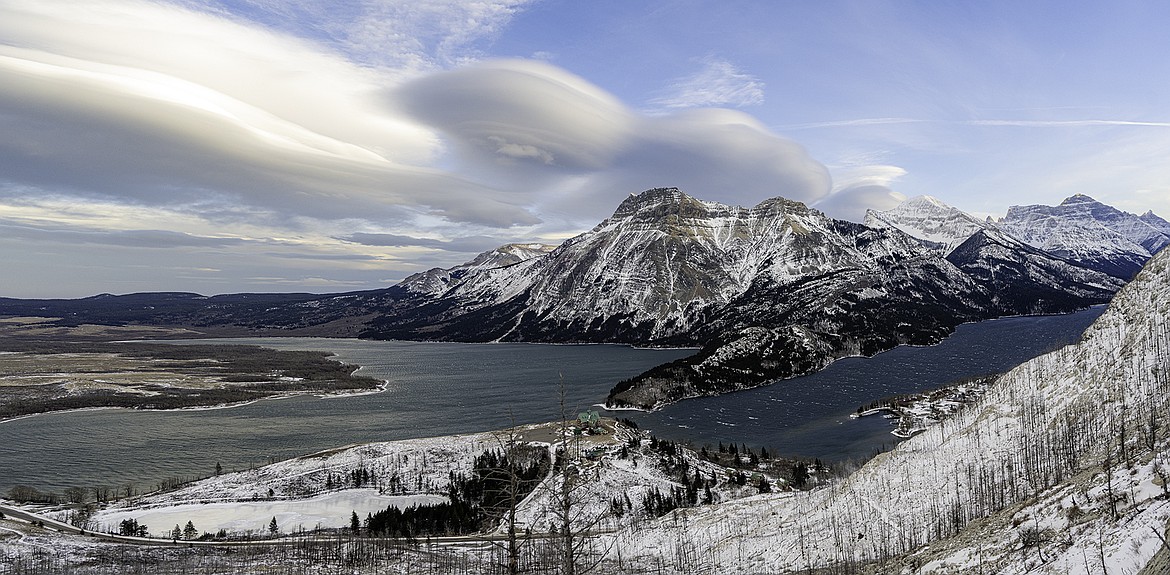
Waterton Lakes from the Bear's Hump area above the townsite. Mount Cleveland and Glacier Park can be seen in the top right corner. Seth Anderson Photo.
SETH ANDERSON PHOTOGRAPHY
Chris Peterson is the editor of the Hungry Horse News. He covers Columbia Falls, the Canyon, Glacier National Park and the Bob Marshall Wilderness. All told, about 4 million acres of the best parts of the planet. He can be reached at [email protected] or 406-892-2151. | July 15, 2026 7:20 AM
They’re rationing power in Goat Haunt in Glacier National Park. The remote ranger station and campground in Glacier at the foot of Waterton Lake near the U.S.-Canada border used to rely on a small hydroelectric facility for its power.
But it was destroyed in a late June flooding event in Glacier, Superintendent David Roemer told the crowd at the North Fork Interlocal last week.
He said they are relying on backup power and using propane generation when need be.
Goat Haunt, according to the National Weather Service, saw 6.48 inches over the course of the storm, which lasted for several days.
Other trails and other park infrastructure were damaged or threatened.
Roemer said the park is still accessing the damage.
“We have things we can’t fix in 24 hours,” he said. “It’s going to take some time.”
The Swiftcurrent Pass Trail beyond Bullhead Lake remains closed, but the Poia-Red Gap Pass Trail beyond Poia Lake and parts of the Piegan Pass Trail from Featherplume Falls Junction to Piegan Pass reopened on Monday.
ARTICLES BY CHRIS PETERSON
The question of self-governing powers will go to a vote
After 18 months of deliberation by a government study commission, the City of Columbia Falls will pose the question to voters on whether the city should have self-governing powers.
City Council OKs pay hikes for city staff, management
Two key Columbia Falls department heads will see about 10% boost in pay in 2027.
Glacier flooding destroyed hydropower plant at Goat Haunt
They’re rationing power in Goat Haunt in Glacier National Park. The remote ranger station and campground in Glacier at the foot of Waterton Lake near the U.S.-Canada border used to rely on a small hydroelectric facility for its power.