AUG NIBJ: Nick Smoot shares leadership principles, innovation insights
BILL BULEY | Hagadone News Network | UPDATED 2 months, 3 weeks AGO
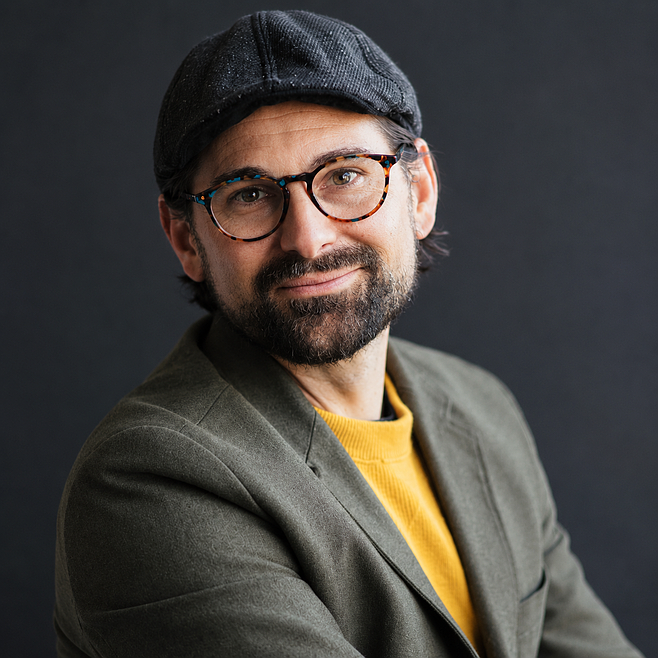
Smoot
Bill Buley covers the city of Coeur d'Alene for the Coeur d’Alene Press. He has worked here since January 2020, after spending seven years on Kauai as editor-in-chief of The Garden Island newspaper. He enjoys running. | July 28, 2026 1:00 AM
Nick Smoot, CEO of the Innovation Collective, fielded questions from The Press on leadership.
How do you organize your day?
I call it The Bootup.
Just like a computer, I believe we all have a startup sequence. Mine is designed to prepare my body, mind, and emotions before I ever begin working.
I wake up early, make my bed, open the blinds, drink water, have Athletic Greens, and work out, usually running or lifting. Then I have my morning shake with coconut oil, cacao, vegetables, plant protein, and coffee. I take my vitamins and supplements with healthy fats to improve absorption.
If my boys are with me, my focus shifts to getting them up and out the door. If they aren’t, I’ll spend that time getting a little focused work done before showering and heading to the office.
I try to arrive around 8 a.m. Mornings are reserved for creative work: strategy, writing, product design, and solving difficult problems. Afternoons belong to people: meetings, phone calls, partnerships, and collaboration. It doesn’t always happen perfectly, but that’s the rhythm I strive for.
I end most days with a walk and a cigar. That’s when I think, reflect, and reorganize tomorrow. Evenings are for family, community, or business dinners, followed by winding down and protecting seven to eight hours of sleep. I track it with my Oura Ring because I know my ability to lead depends on recovery.
How much of your day is planned versus reactive?
I build my days around systems, but I expect interruptions.
I stack routines that make me better, organize meetings into similar blocks, and try to protect creative time. Life always throws emergencies and opportunities at you, but good systems give you something to return to. I’m not perfect, but I try to be disciplined enough that the important work still gets done.
When do you actually have time to think strategically?
Every day.
My evening walk is my daily strategy session. I replay conversations, reorganize priorities, and think through problems.
Once a week, I also schedule what I call Float Time. I’ll spend three or four hours hiking or wandering alone with no agenda. During that time I revisit what I call The Bigs, the major milestones across every project I’m leading. I mentally rebuild priorities before writing them down. Some of my best ideas happen away from a desk.
What part of your job would surprise people most?
How much leadership is made up of tiny decisions.
One minute I’m working on statewide initiatives or major real estate developments. The next I’m debating whether bathrooms should have speakers because details shape how people experience a place.
Leadership isn’t glamorous. Sometimes you’re negotiating partnerships. Sometimes you’re clearing roadblocks with government agencies. Sometimes you’re plunging a toilet because it needs to be done. None of those jobs are beneath a leader if they move the mission forward.
What is the most important aspect of being a leader?
Having a clear vision that’s executable.
A leader’s job isn’t simply to imagine a better future. It’s to make that future understandable, build a practical path toward it, invite others to participate, and refuse to quit when it gets difficult.
How do you handle difficult choices?
I try to make decisions quickly.
Once I have enough information, I’d rather decide, learn, adjust, and keep moving than wait for perfect certainty. Delayed decisions often become bigger problems than imperfect ones.
What inspires people?
People are inspired by a vision that’s bigger than themselves and by knowing exactly how they can contribute.
It’s not enough to cast a vision. You have to give people a meaningful first step. When people can see where they fit and know their work matters, they become deeply invested.
What gets your creative vision going?
Big problems.
I love looking at broken systems, struggling communities, or difficult challenges and asking, “What would this look like if it actually worked?” That’s where creativity begins for me.
What’s the most important characteristic of a leader?
Relentless optimism anchored by a commitment to the good.
Optimism isn’t ignoring reality. It’s believing people can build a better future together, even when progress is slow. Great leaders hold that belief long enough for others to begin believing it too.
•••
Nick Smoot is CEO of the Innovation Collective.
ARTICLES BY BILL BULEY
Kootenai County named American World War II Heritage City
Kootenai County named American World War II Heritage City
Where History Still Salutes: Kootenai County Named WWII Heritage City

Monday Night Dinner finale on Saturday
Schluter says it will be a gathering of laughs and love a day after he gets hitched