
Maximum irrigation efficiency, like all farming, is a balancing act
CHERYL SCHWEIZER | Hagadone News Network | UPDATED 4 months AGO
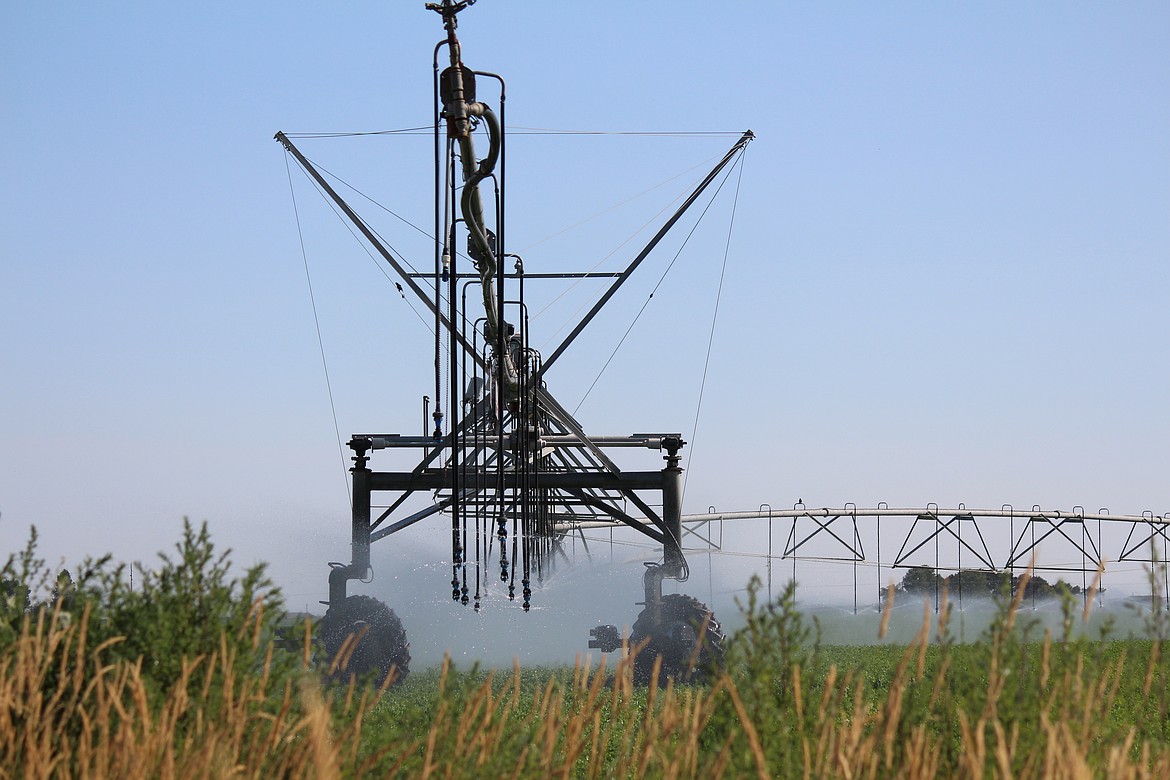
Making the most of irrigation water requires taking a lot of factors into account.
FILE PHOTO
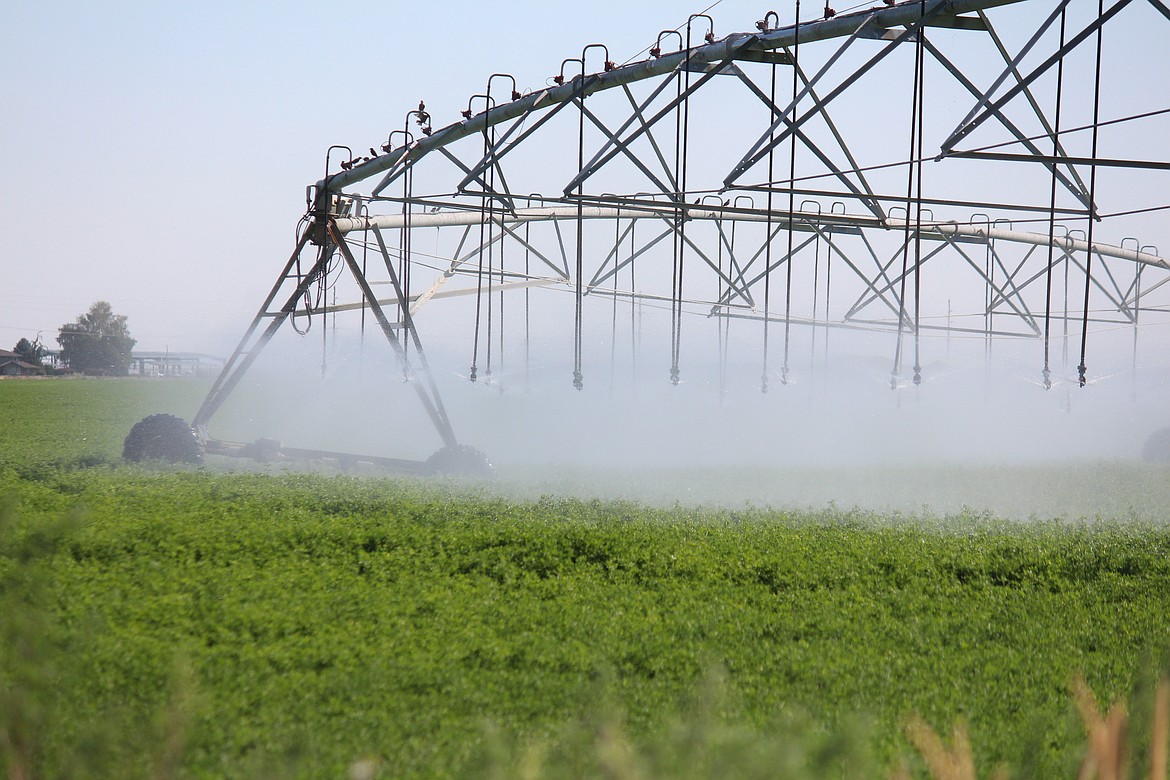
The type of crop, the soil conditions, the geography of the field are among the many variables in getting maximum irrigation efficiency.
FILE PHOTO
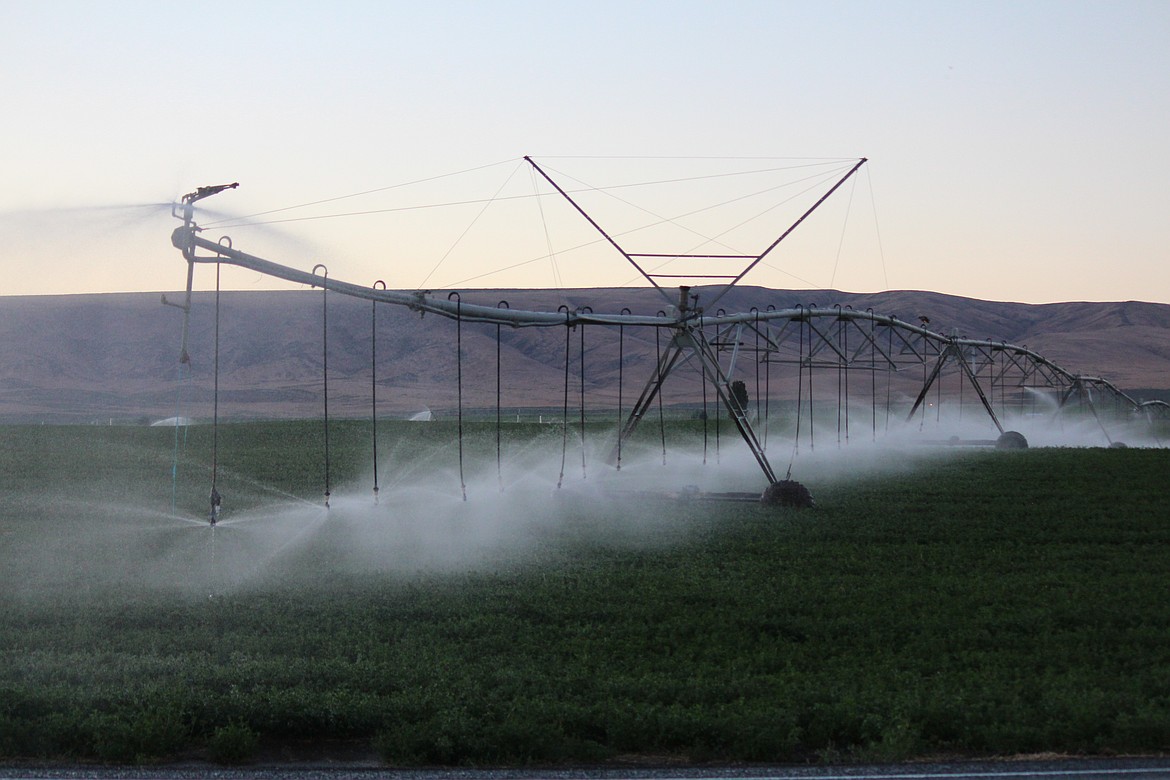
Technology can help farmers get the most out of their irrigation water, helping determine watering schedules being one example
FILE PHOTO
Senior Reporter Cheryl Schweizer is a journalist with more than 30 years of experience serving small communities in the Pacific Northwest. She began her post-high-school education at Treasure Valley Community College and enerned her journalism degree at Oregon State University. After working for multiple publications, she has settled down at the Columbia Basin Herald and has been a staple of the newsroom for more than a decade. Schweizer’s dedication to her communities and profession has earned her the nickname “The Baroness of Bylines.” She covers a variety of beats including health, business and various municipalities. | May 6, 2026 1:54 PM
OTHELLO — The eternal challenge of the farmer – or one of them, anyway – is water. Adequate irrigation water is what turned substantial sections of Central and Eastern Washington into some of the most productive farmland and orchard land in the country. Getting the most out of the available water has been the focus of research and experimentation for more than a century, and it still is.
Irrigation, at least theoretically, is less susceptible to the whims of nature than dryland farming. Craig Simpson, secretary-manager of the East Columbia Basin Irrigation District, said the Columbia Basin Project ensures a predictable supply of water year in and year out.
“We’re really fortunate. From my point of view, there’s just not a better water source from an actual quantity that’s available than the Columbia River,” Simpson said. “And we’ve never been interrupted in our 75-year history. We’ve never had a curtailment because of water supply in the Columbia.”
Irrigators in the Yakima Basin aren’t always so lucky, being more subject to the ups and downs of snowpack, rain and drought. The 2026 irrigation season Yakima Basin forecast indicates demand will be greater than supply, according to the US Bureau of Reclamation
“The early estimate of the total water supply available for the April-September period indicates senior water rights will receive 100% full entitlements and junior water rights will receive 52% of their full entitlements,” according to a Bureau of Reclamation press release.
Some farmers in lands that are part of the Columbia Basin Project have received permission to use groundwater for irrigation, which has caused a different problem. Irrigation has placed a lot of demand on the aquifer that serves the cities and towns in the Basin as well as the farmers. That has resulted in declines in the water levels in the aquifer.
Farmers have always looked for ways to make their operation more efficient, including in their water use. After all, water costs money.
Dinah Rouleau, conservation director for on-farm and urban programs with the Columbia Basin Conservation District, said farmers have a lot to think about when planning and setting up an irrigation system. And that’s only one factor in farm operation.
“I really want to say it is based on the producer, and their system, and their take home. Whether you’re on a loan; whether you have everything paid for,” Rouleau said. “How was the crop that year? How is the market that year? All those are really high variables.”
Throughout Central and Eastern Washington, faming evolved from relying on individual wells and rain to irrigation systems fed with ditches and siphon tubes. Wheel lines and hand lines represented an evolution in efficient water use and, in the case of a large field, a center pivot is still more efficient.
But one size does not fit all, Rouleau said.
“I have seen – which is another really cool piece of technology – a wheel line that is remote controlled and solar (powered), to help with moving it. And when you have a brand-new system like that, and you have this awkward, thin rectangle, field, a pivot wouldn’t work. And that’s you can get really efficient with an updated wheel line or handling. They’re both sprinklers,” she said. “There is a place for very efficient wheel lines and hand lines when they’re newer and moved appropriately.”
As anybody with a lawn knows, watering is more effective at certain times of the day and night. What’s true for residential grass is also true for farm crops, and Rouleau said there is technology to help farmers water as efficiently as possible.
“Timing is a big thing. If you’re watering the same spot at noon every day, that spot is never getting the same amount of water as something that’s watered at midnight every day. You’re having to kind of stagger it, and having that automation kind of allows you to do it perfectly,” she said.
Some farmers are experimenting with forms of drip irrigation, she said.
Making the most of the irrigation water is about more than water. Soil conditions and crop selection also matter.
“There are lot of landowners that might do some irrigation water management, which also increases efficiency. And that can be seen a lot of different ways. Some people just use a shovel. And if you’ve been there a long time, you can dig into the soil profile, (and) you know exactly how much water is getting in, how much water is needed, based on the crop,” Rouleau said. “But there are some fancy gadgets nowadays. You have your soil probes with real time on how much irrigation you’re needing. There’s a lot of new AI type technology that puts automatic irrigation plans to you based on what your probes are reading. ‘You had five extra hours of cloud cover; you can bump it down a little bit more.’”
Other systems use ground radar to help determine soil conditions.
Other probes evaluate the biological condition of the soil to help determine the proper balance to reduce water use. Researchers are looking for new plant varieties that are more tolerant of dry conditions.
Farming is, however, a balancing act, and finding water efficiency is part of finding that balance.
“I think with every type of technology we have to remember that there are some gives and takes,” Rouleau said.
She cited drip irrigation as an example.
“With that (system) comes a lot of extra maintenance. You’re getting that extra water efficiency, but at the cost of having to have an extra set of hands down there make sure nothing’s getting tangled, making sure you’re putting it up in the winter, making sure there’s no coyotes out there chewing on it,” she said.
The basis of it all, however, is farming knowledge.
“One of my favorite tools is the irrigation water management, because you can get really efficient with just a plain old pivot if you’re on it,” she said. “If you understand your soil structure, if you understand exactly how much your crop needs, you can be pretty darn efficient. It just is a matter of time and money.”
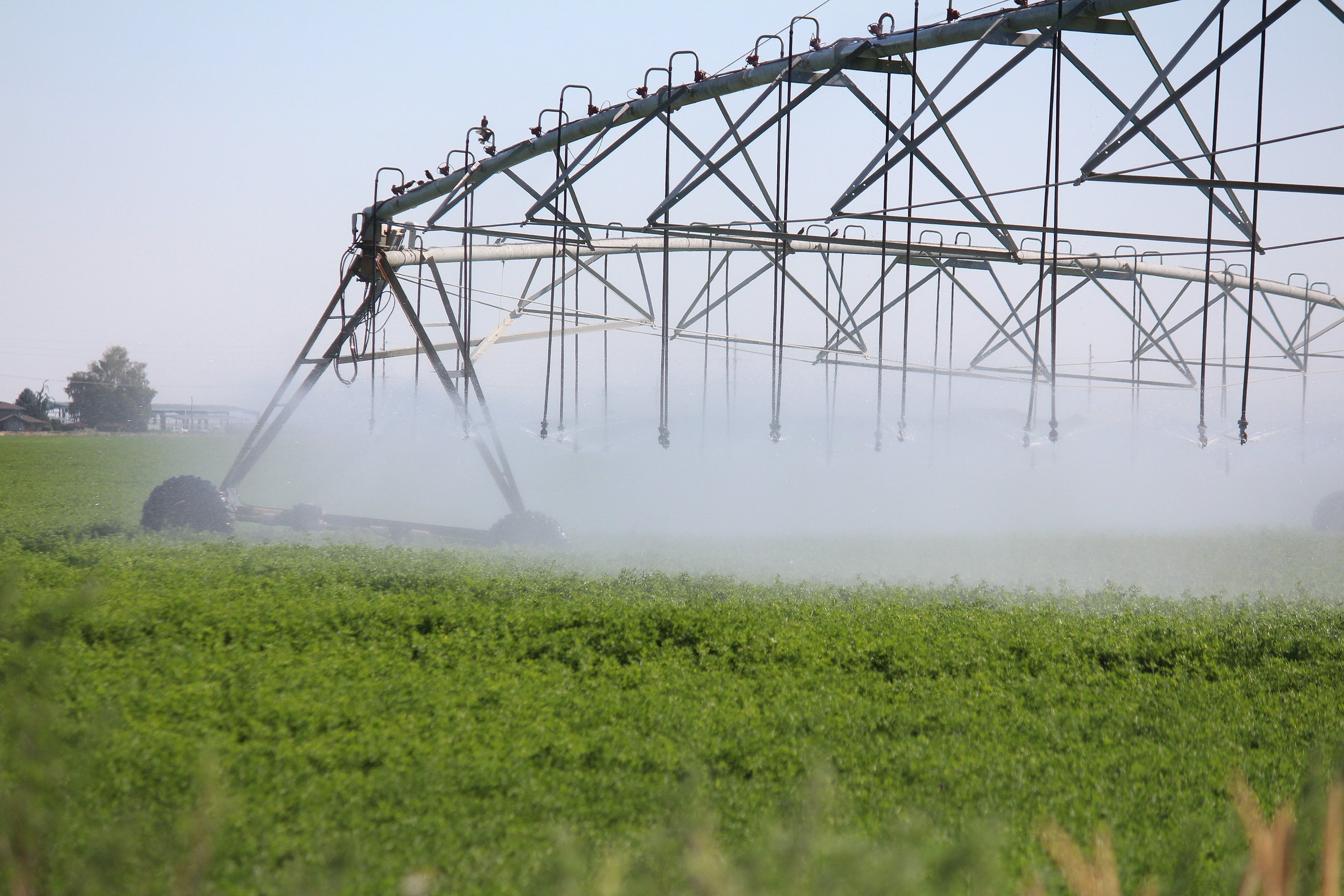 The type of crop, the soil conditions, the geography of the field are among the many variables in getting maximum irrigation efficiency.
FILE PHOTO
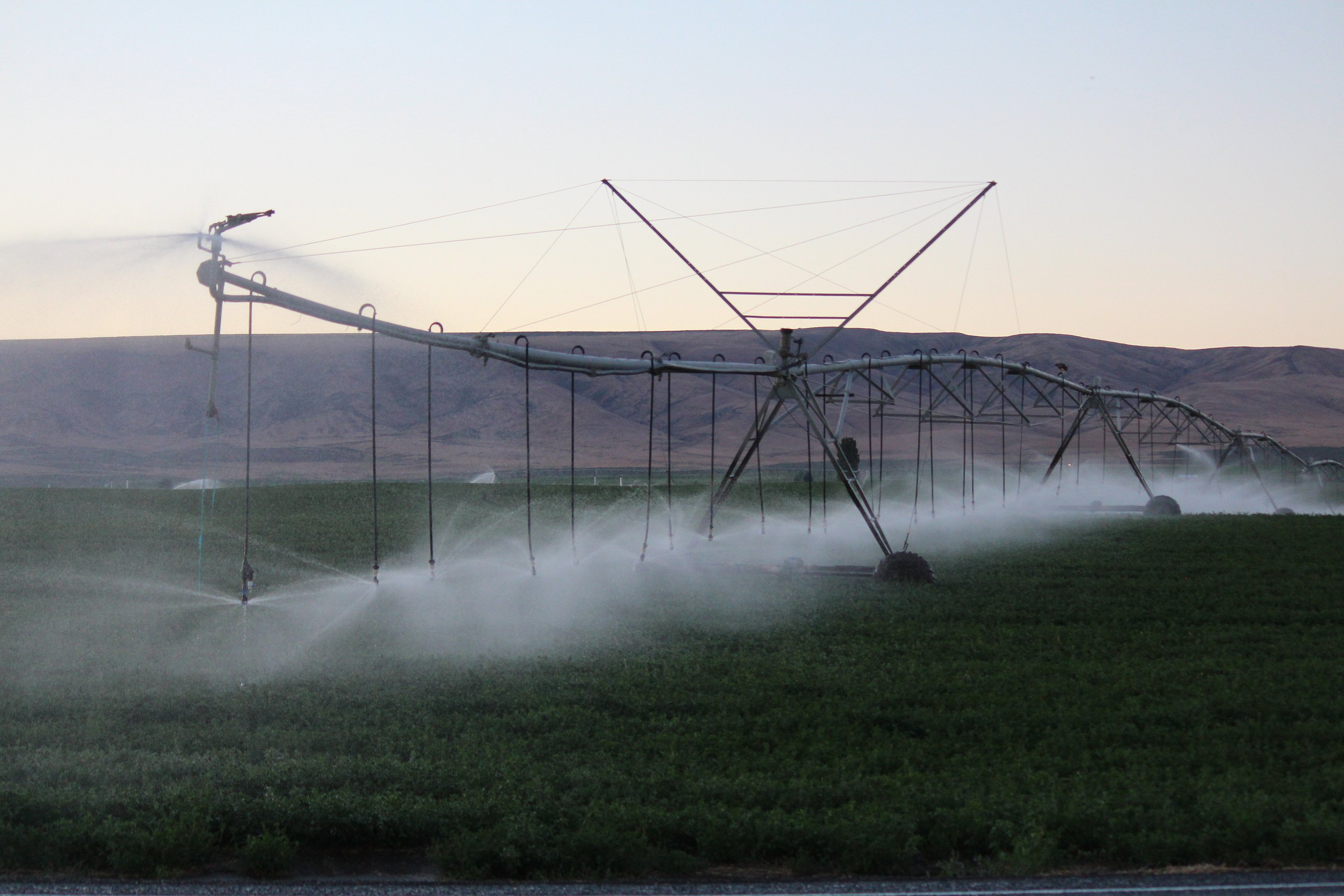 Technology can help farmers get the most out of their irrigation water, helping determine watering schedules being one example
FILE PHOTO
ARTICLES BY CHERYL SCHWEIZER
Road projects on hold for Labor Day weekend
MOSES LAKE — With Labor Day weekend dead ahead, drivers will be able to move freely about the state. Most road projects are on hold for the holiday weekend. Nobody will be working on the Hansen Road overpass on Interstate 90, but the lane restrictions that are in effect will continue through the end of the project.
Cost estimates for water source alternatives given to Moses Lake City Council
Protected under the U.S. Endangered Species Act, efforts are ongoing to keep it self-sufficient
MOSES LAKE — It’s going to cost a lot of money to provide alternative water sources for the city of Moses Lake, but some of the possible alternatives will cost more than others. City officials provided the Moses Lake City Council with costs for various alternatives Tuesday.

Dryer vent cleaning is important -- but often overlooked
MOSES LAKE — Not all the maintenance a house needs is visible. Sometimes a potential problem just goes unnoticed until it causes trouble, sometimes serious trouble. But a lot of potential problems give off warning signs. Clothes dryers often do when they need a good cleaning.