
‘Faces of 250’
JOEL MARTIN | Hagadone News Network | UPDATED 5 months AGO
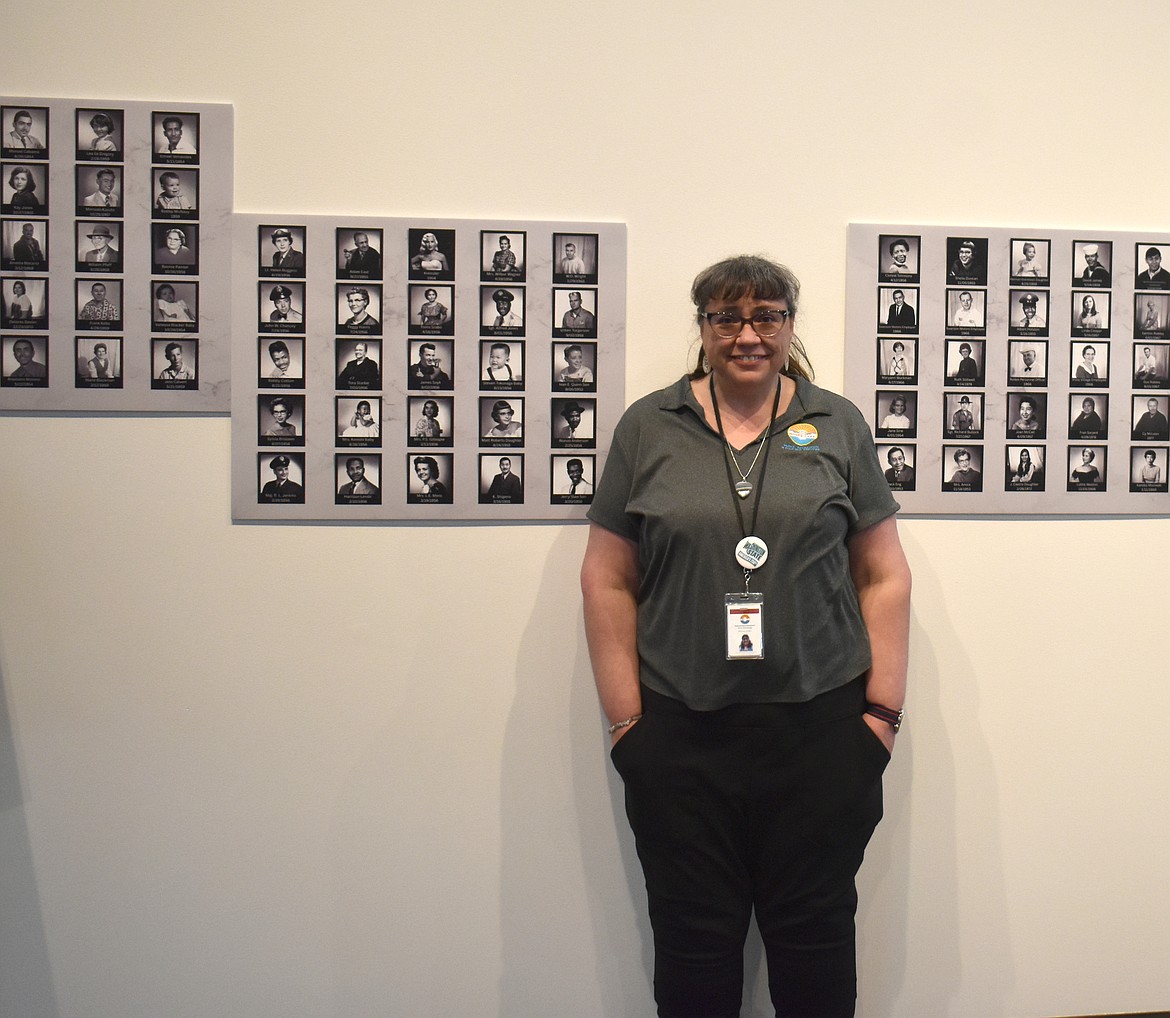
Moses Lake Museum & Art Center Curator Ann Schempp stands in front of photos of 250 Moses Lake residents from the 1950s-70s as part of the museum’s exhibit “Faces of 250: Our Community in Portraits and Words,” opening tonight.
JOEL MARTIN/COLUMBIA BASIN HERALD
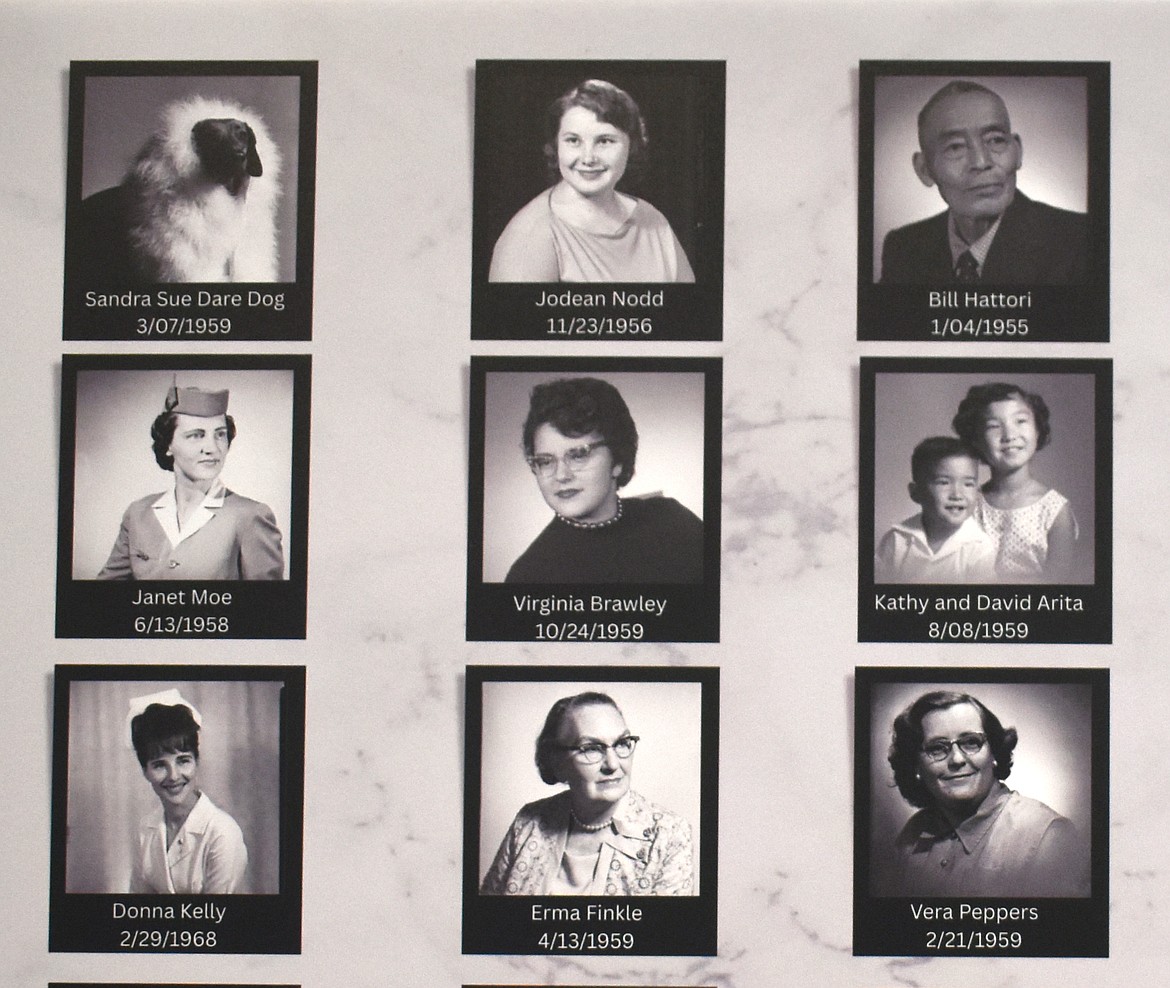
A few of the photos from the Moses Lake Museum & Art Center’s William R. Hilderbrand Collection on display as part of the museum’s exhibit “Faces of 250: Our Community in Portraits and Words.”
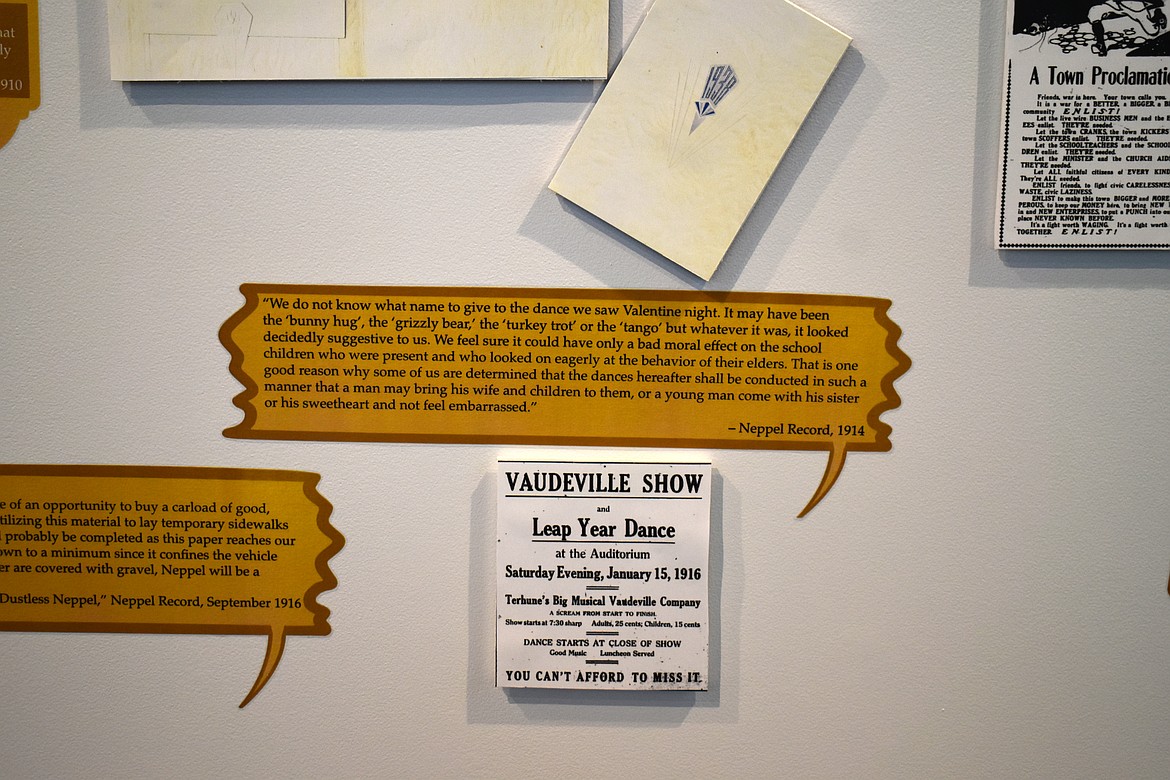
Quotes from Moses Lake’s history are posted on the walls of the Moses Lake Museum & Art Center, along with reproductions of local newspapers, as part of the museum’s “Faces of 250” exhibit.
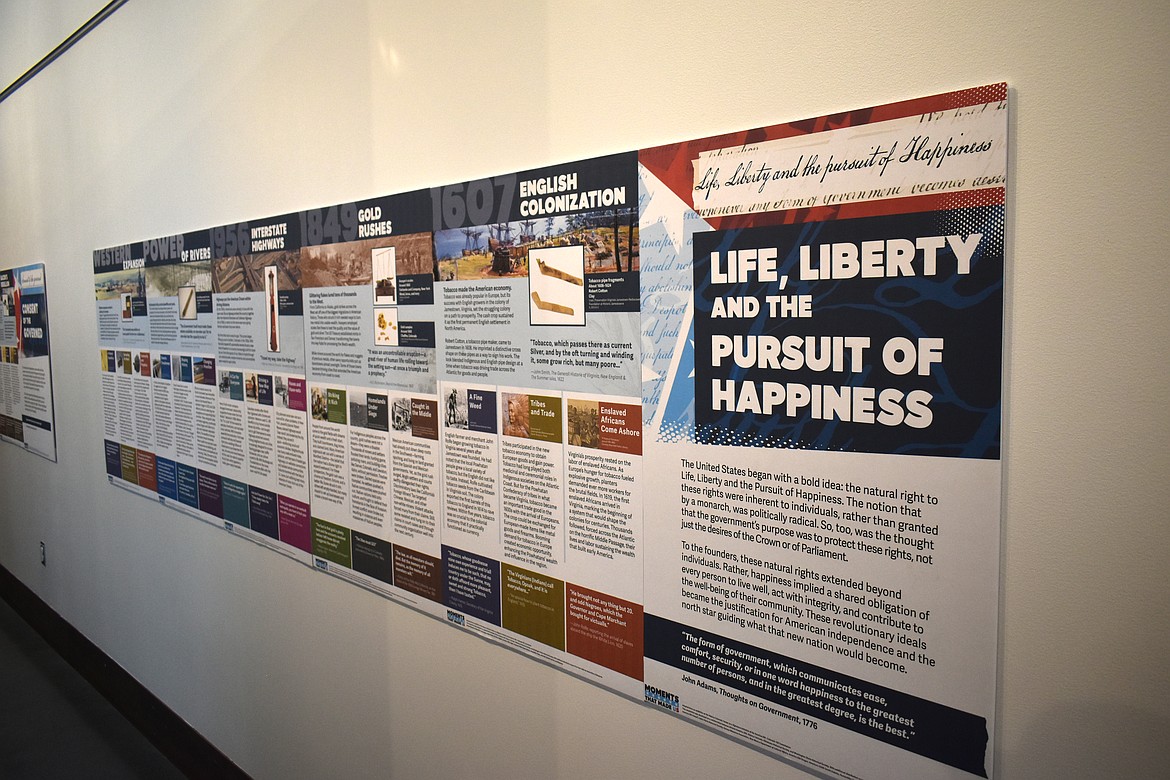
Along with “Faces of 250,” the Moses Lake Museum & Art Center is hosting “Moments that Made Us,” an exhibit by the Washington State Historical Society that examines the Declaration of Independence, and how America has – or hasn’t – lived out the principles it espoused.
Joel Martin has been with the Columbia Basin Herald for more than 25 years in a variety of roles and is the most-tenured employee in the building. Martin is a married father of eight and enjoys spending time with his children and his wife, Christina. He is passionate about the paper’s mission of informing the people of the Columbia Basin because he knows it is important to record the history of the communities the publication serves. | May 15, 2026 3:05 AM
MOSES LAKE — Moses Lake hasn’t even racked up a century of history yet, but the Moses Lake Museum & Art Center has found a way to celebrate the two and a half centuries since the signing of the Declaration of Independence.
“We’re celebrating America 250 here at the museum,” said Museum Curator Ann Schempp, “We started planning this event several years ago.”
The exhibit, which opens today, is in two parts, called “Faces of 250: Our Community in Portraits and Words.” The “portraits” part features 250 photos by William R. Hilderbrand, a Moses Lake photographer whose collection the museum owns. Hilderbrand was a portrait photographer from the 1950s to the 1970s, Schempp said, and his collection includes more than 43,000 photos.
“Everybody got their photograph taken by Hilderbrand,” Schempp said. “Either you were a baby at a portrait sitting when you were six months old or getting your passport photo taken or being an airman out at Larson Air Force Base … He took your photograph.”
The 250 people whose photos were selected for the exhibit are a cross-section of Moses Lake’s past and present, Schempp said. Some names will be familiar to longtime residents, and some won’t. Some don’t even have names; one is simply identified as “Rodeo personnel officer.” The subjects came from all walks of life, of all ages.
“I wanted to include all the different types of people we've had in Moses Lake,” Schempp said. “I made sure to include Japanese members of our community, Latino members of our community, African American members in our community, to give that full picture of with a sign that says, “Do you see yourself in our community?”
“In this part of the exhibit, we're going to have a bingo card that you can get from the front and it'll have, you know, things like ‘Look for the nun.’ ‘Can you find the set of twins?’”
The second part of the exhibit goes from faces to words. Museum Superintendent Dollie Boyd collected 250 quotes from old newspapers, oral histories and other sources, and those are on display along with reproductions of some of the original sources.
“Whether (they were) there for a day, a week or several months, it was long enough for GIs to pick up the griping jargon peculiar to Moses Lake,” Earl Wingard, who was stationed at Larson Air Force Base, is quoted as saying in 1953. “’If you only talk to the jackrabbits, you’re all right,’ they said. ‘But if you start believing them, this place has got hold of you.’”
Along with “Faces of 250,” there’s an exhibit from Washington State Historical Society called “Moments that Made Us.” That display takes phrases from the Declaration of Independence – “All men are created equal,” “Life, liberty and the pursuit of happiness” – and takes the viewer through a timeline of how those words have been manifested in America’s history. Two panels of each phrase are devoted specifically to Washington state. The displays cover the good and bad of American history: slavery, the civil rights movement, the displacement of Native Americans, the sometimes-violent labor movement of the late 19th century.
“You could do American revolutionary history and be on the surface of all the stories we've all heard before, like Benjamin Franklin, George Washington and all of that,” Schempp said. “But I feel this exhibit goes deeper, and it challenges that rosy picture of how America was formed.”
Schempp got the idea for the two local exhibits at a conference for the American Association for State and Local History.
“The woman behind me (in line) was on the National Committee for America 250, and she goes, ‘What are you guys going to do?’” Shempp said. “I said, I don't know. We're in Washington state; we're not on the East Coast. We don't feel a big connection to American revolutionary history.’
The exhibit will kick off this evening with a free opening reception, Museum Communication Coordinator Natalia Zuyeva wrote in an email to the Columbia Basin Herald. The event will include a live weaving demonstration, an adult craft activity and free food, Zuyeva wrote.
“We're going to have all-American fare,” Schempp said. “We're going to be cooking hot dogs for everybody, and there'll be apple pie and Coca Cola.”
The opening will also feature a free talk from Humanities Washington speaker Lawrence Hatter, Zuyeva wrote, on the strange duality of the Revolutionary War. A question-and-answer time will follow.
“Here (they) are fighting for freedom, but yet slaves weren't free,” Schempp said. “Native Americans were getting their freedom challenged. It’s a very complicated history.”
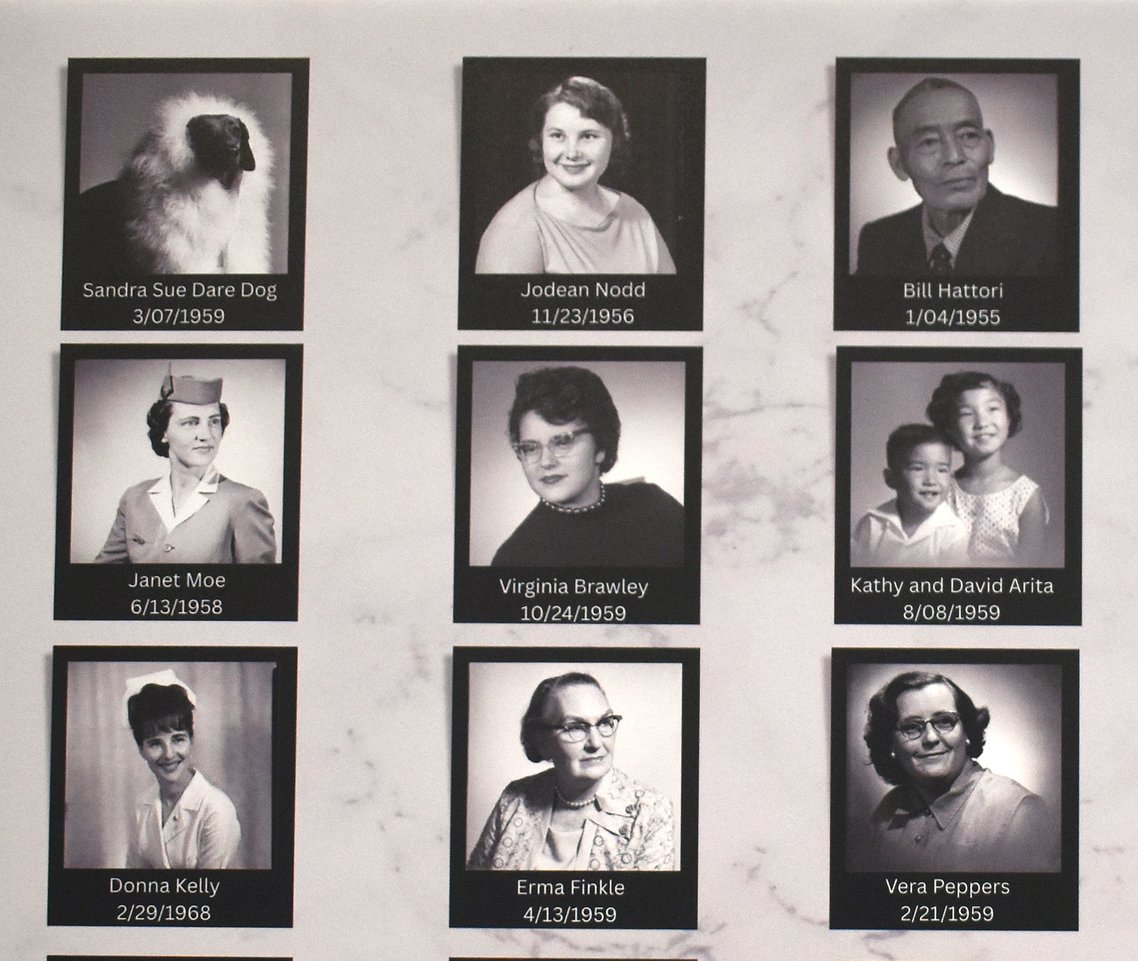 A few of the photos from the Moses Lake Museum & Art Center’s William R. Hilderbrand Collection on display as part of the museum’s exhibit “Faces of 250: Our Community in Portraits and Words.”
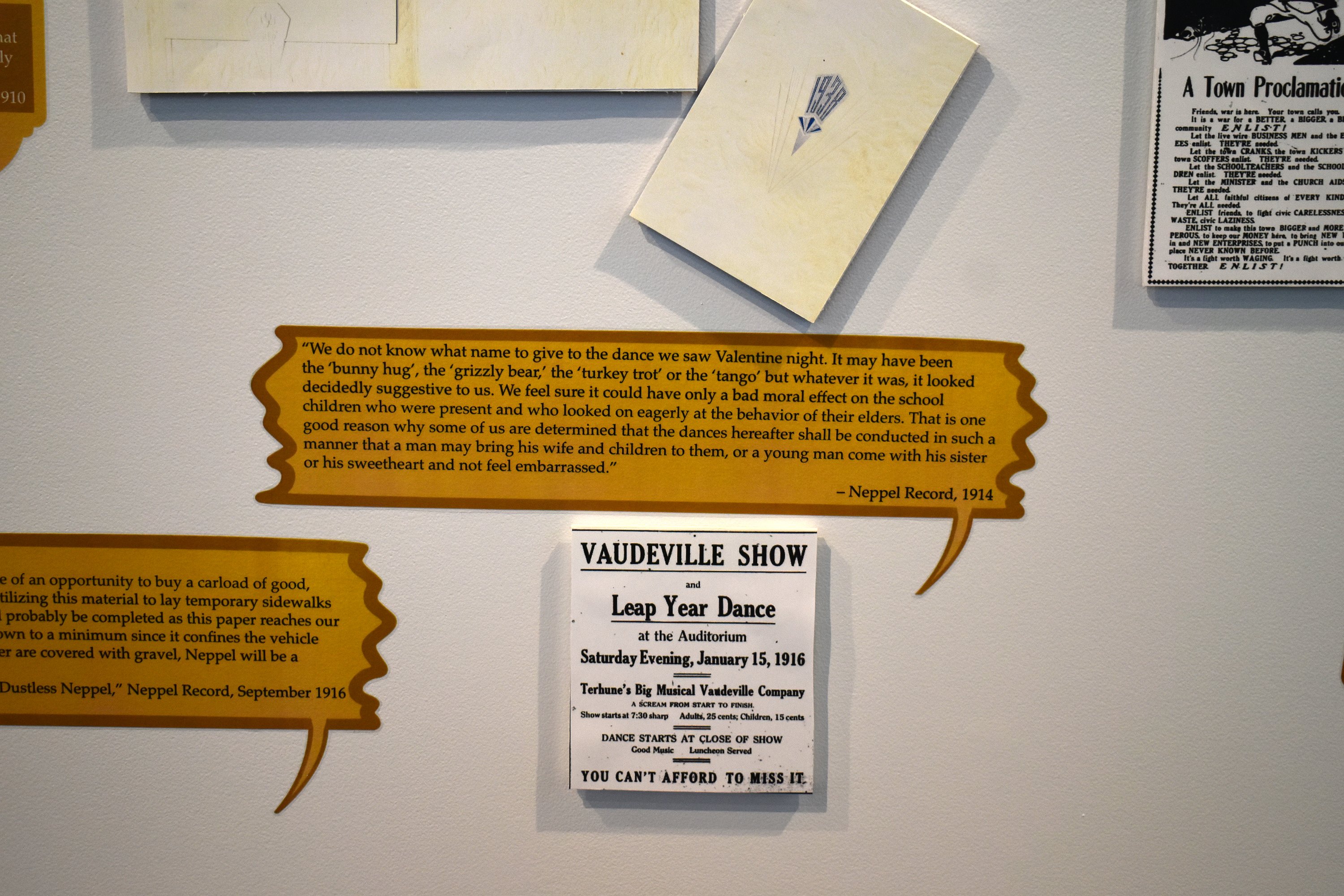 Quotes from Moses Lake’s history are posted on the walls of the Moses Lake Museum & Art Center, along with reproductions of local newspapers, as part of the museum’s “Faces of 250” exhibit.
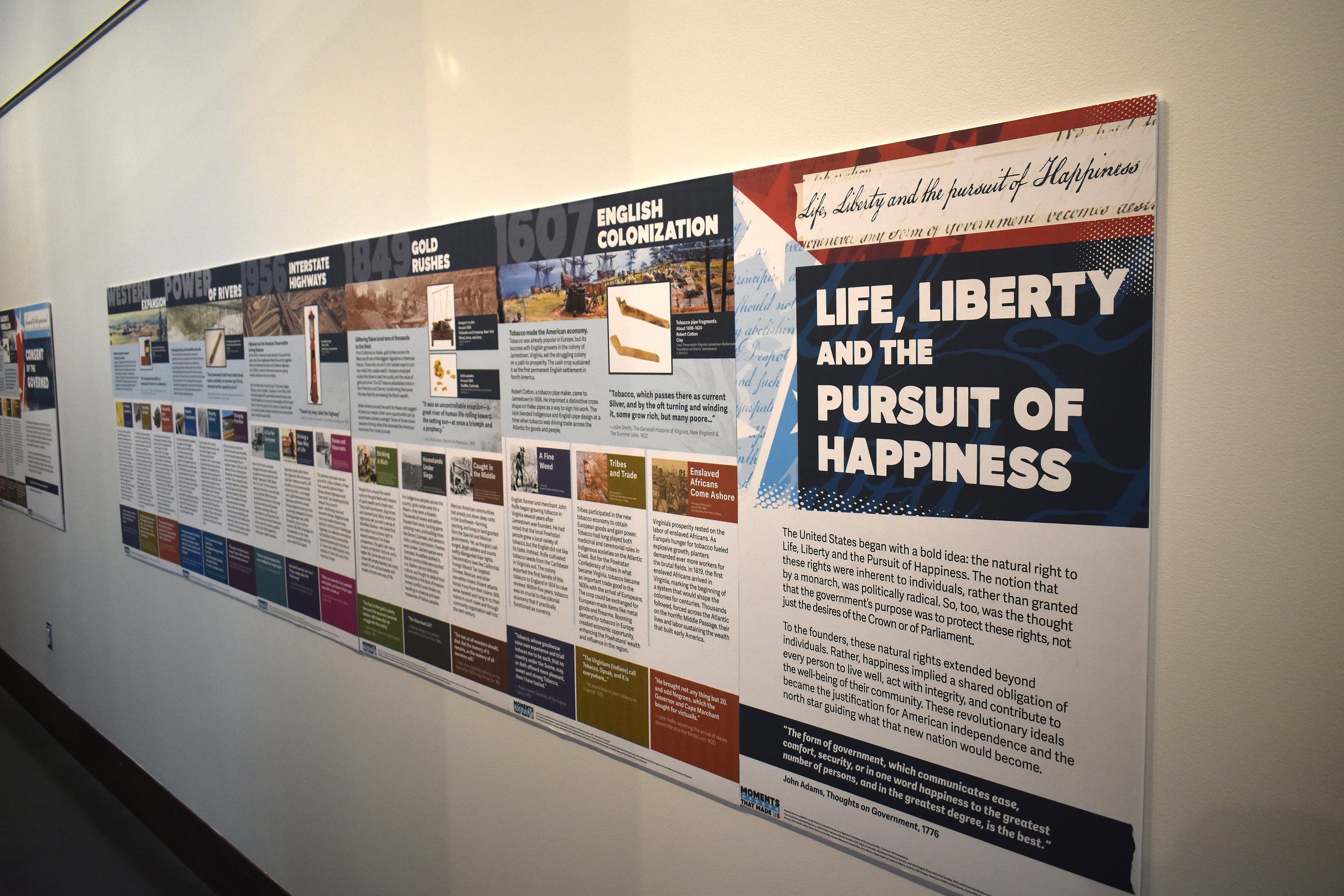 Along with “Faces of 250,” the Moses Lake Museum & Art Center is hosting “Moments that Made Us,” an exhibit by the Washington State Historical Society that examines the Declaration of Independence, and how America has – or hasn’t – lived out the principles it espoused.
ARTICLES BY JOEL MARTIN

Endless battle
Noxious Weed Control Board works to keep invasive plants under control
MOSES LAKE — Some of the nastiest plants in Grant County were the topic of a class led by Jay Johnson, a consultant with the Grant County Noxious Weed Control Board, Tuesday. The Noxious Weed Control Board, as its name would suggest, is tasked with keeping weeds under control in Grant County. That’s not a small job; the board’s website lists 129 species of noxious weeds that are found around Grant County. A noxious weed is defined as an invasive, non-native plant that threatens agricultural crops, local ecosystems or fish and wildlife habitat, according to the Noxious Weed Control Board. Washington state law requires that these weeds be identified and their spread kept to a minimum, if not completely eradicated. “We’re one of those agencies a lot of people don’t really understand,” Johnson said. “We’re a county office and … our funding is tax-based assessment. When you get your tax bill and you look down at all the expenses that you pay for, there we are.”

BASIN EVENTS: Oct. 16-24
COLUMBIA BASIN — Whether you feel like shopping, crafting, learning or seeing a show, there’s something happening for you this week in the Basin. Oct. 16 ‘My Family (Mi Familia)’ screening Spanning three generations, “My Family (Mi Familia)” is a heartfelt drama that follows the Sánchez family as they build their lives in East Los Angeles. Through love, hardship, triumph, and sacrifice, the film explores the immigrant experience, the strength of family bonds, and the traditions that connect one generation to the next. Lowrider show and taco truck before the screening. Sponsored by Columbia Basin Allied Arts, EDUBS C/S and the Moses Lake Creative District. $12 per person. Doors open at 6 p.m., film begins at 7 p.m. at the Moses Lake Civic Center Auditorium, 401 S. Balsam St. Tickets and info: www.cba-arts.org.

Moses Lake author encourages women to look beyond church culture norms
MOSES LAKE — A Moses Lake author’s book, “A Christian Woman Striving to Live Her Faith in a Man-Controlled World,” takes aim at the role to which many churches relegate the female half of their congregations. “It’s to encourage women in the faith,” Linda Curran said. “A lot of churches say, ‘Teach Sunday school, do this, do that, but don’t (evangelize.)’" In her book, Curran recounts a time when she moved to a new community and joined a church there. She was surprised to learn that, as a new female member, she had been automatically assigned church cleaning duties. When she questioned it, she wrote, she was met with condescension and her objections were brushed aside. In other churches, she said, women who were capable of teaching were relegated to “women’s ministry.”