
Repurpose old dishes into garden art
JOEL MARTIN | Hagadone News Network | UPDATED 5 months AGO
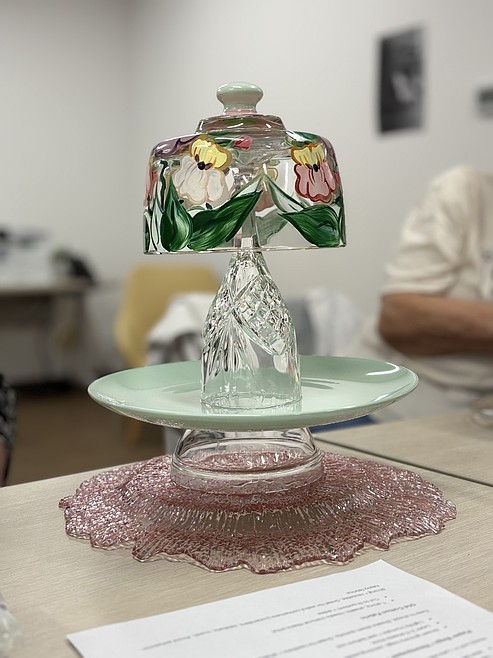
Mismatched dishes and glassware can be repurposed into decorations for home or garden.
COURTESY PHOTO/MICHA GOEBIG
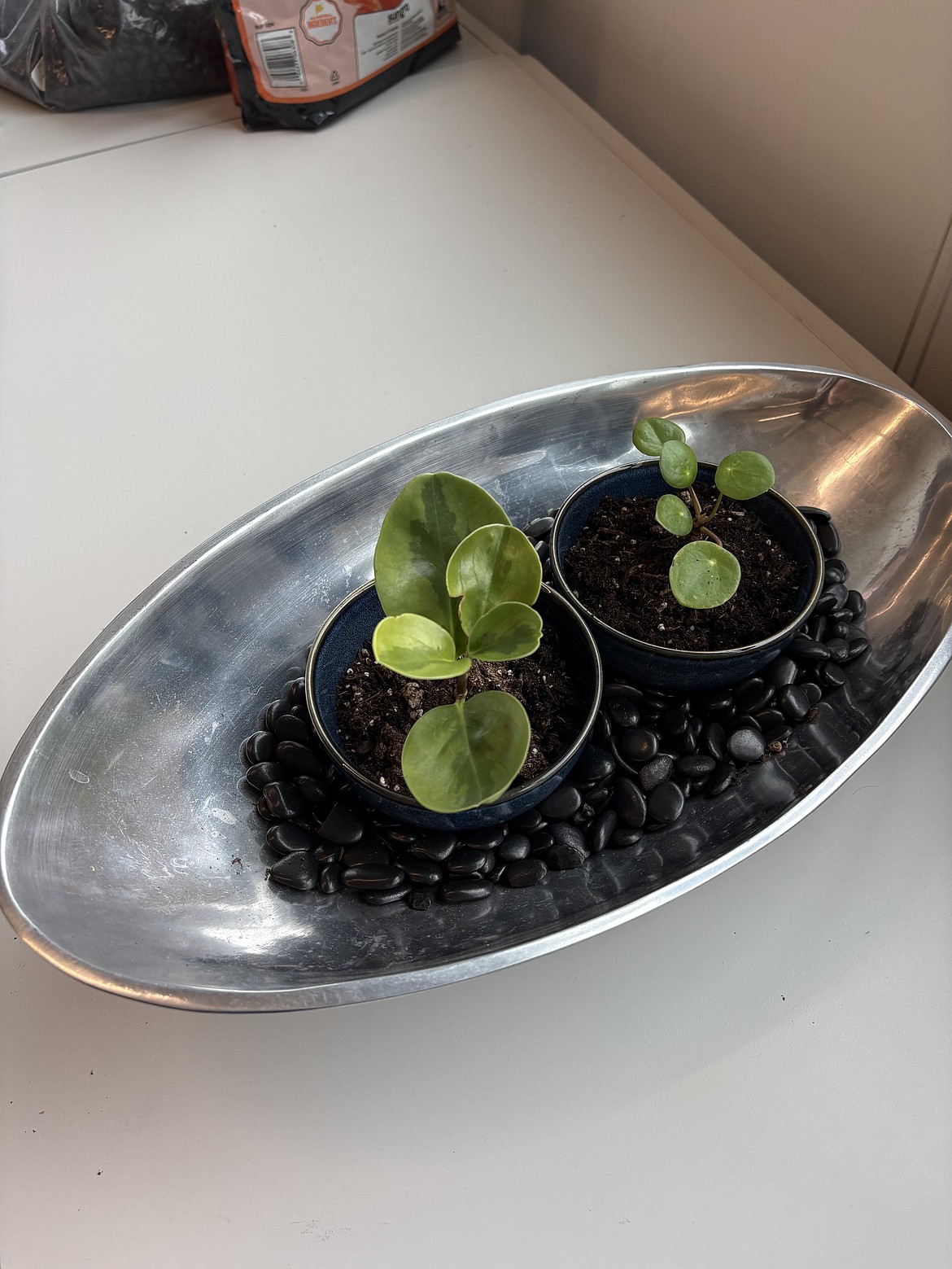
A few glass pebbles can provide enough drainage in a makeshift dish planter.
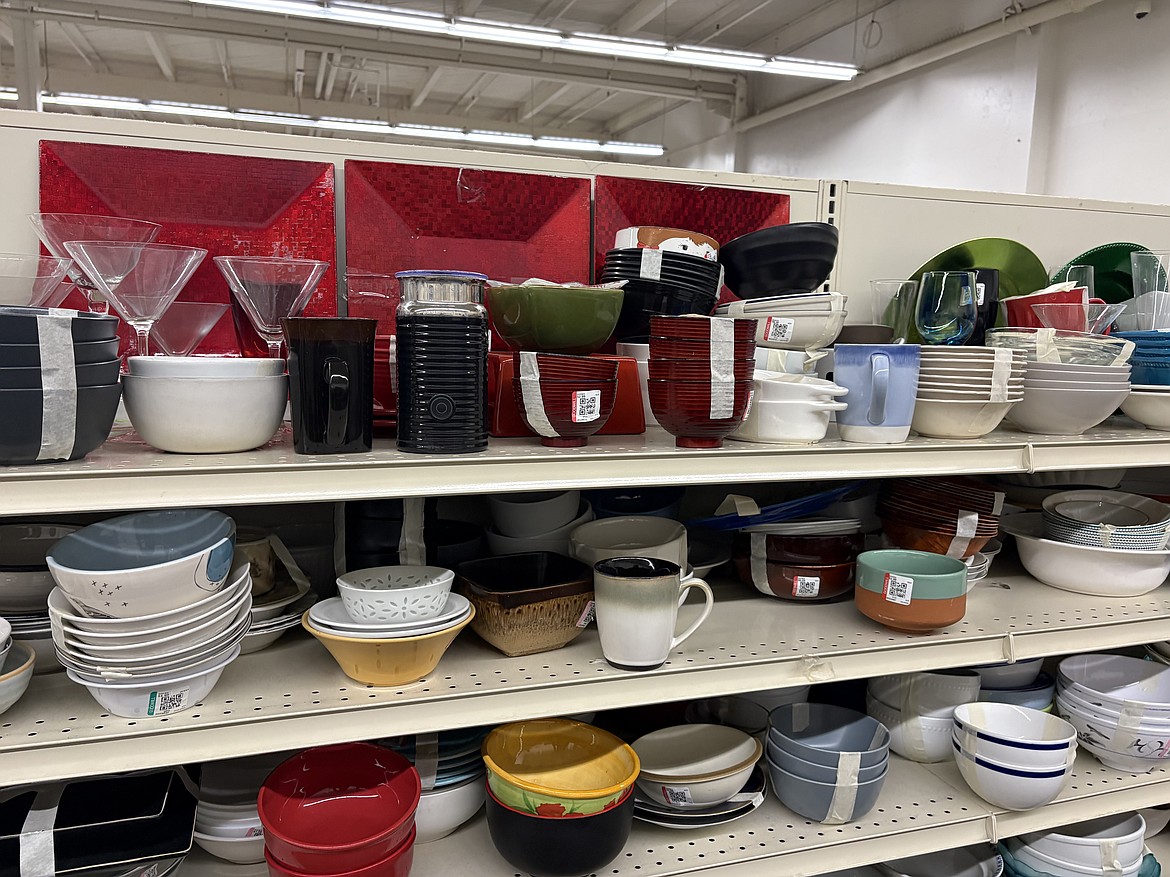
When you run out of mismatched or damaged dishes in your own kitchen, any thrift store can supply more.
Joel Martin has been with the Columbia Basin Herald for more than 25 years in a variety of roles and is the most-tenured employee in the building. Martin is a married father of eight and enjoys spending time with his children and his wife, Christina. He is passionate about the paper’s mission of informing the people of the Columbia Basin because he knows it is important to record the history of the communities the publication serves. | May 15, 2026 3:05 AM
MOSES LAKE — Somewhere in everybody’s kitchen, there are dishes that just don’t match anything else in the house. So why not put them to work in the garden?
“You can do it in any way, shape or form that you want to,” said Micha Goebig, PR and Communications Strategist for Evergreen Goodwill of Northwest Washington. “You can use your own stuff or get it secondhand at (a thrift store).”
Thrifted garden art from mismatched dishes is easy to put together; the only thing you need is super glue, Goebig said. She recently led classes in thrift art at Goodwill stores on the west side, she said.
“Some people did art pieces, like mushrooms,” Goebig said. “They (had) a broken lamp, so they used that as the stem of the mushroom and then replaced the top with a nice bowl that they turned (upside down).”
A bowl or a pot left right-side-up can make a planter, with glass pebbles in the bottom for drainage. Packing paper in the bottom also works, Goebig said.
“That will give enough drainage for the annual plants,” she said. “Not for perennials, but for annuals it will be fine.”
Using filler like pebbles or paper means no drilling is necessary, which makes thrifted décor a safe DIY project for children. It’s probably best to keep really small children away from super glue, however, Goebig said.
If the dish is damaged, it doesn’t really matter, and it might even be an improvement, Evergreen Goodwill of Northwest Washington wrote in an email to the Columbia Basin Herald.
“Minor chips or wear don’t affect function and barely stand out in the yard, making secondhand dishware a practical – and forgiving – choice,” the email read.
Thrifted décor has the advantage of not having to be permanently installed anywhere, which makes it useful for renters. For apartment dwellers, a small planter on a deck can give it a fresh outdoor look without taking up too much space.
It’s not just dishes that can be repurposed into decorations. Old baskets, pieces of PVC pipe, old toolboxes – anything that can hold a plant can be a planter.
“(Some things) probably could rust, but let it, if you have no other use for the piece.” Goebig said. “A colleague told me she did something similar with a six-bottle wine rack. She doesn’t drink, so she has zero use for this wine rack, so she turned it 90 degrees and then she put little bowls in it. (You can) plant little things in there and have them elevated from the ground.”
Thrift decorations are pretty much foolproof, Goebig said.
“There are really not many mistakes you can do with this because it’s not about being perfect,” she said. “If you follow the instructions on the super glue and if you don’t throw your glasses around there’s not much you can do wrong. It’s a thing that works really well as trial and error.”
“These garden art projects give new life to overlooked items while keeping costs low and creativity high,” Evergreen Goodwill wrote in the email. “More importantly, they create opportunities for families to spend time together. Simple, imperfect, and imaginative, secondhand garden art proves that meaningful DIY projects don’t require special skills – just a little curiosity and a willingness to mix things up.”
If you try it: tips for getting the most out of thrifted decorations
1. Think in layers: Stacking mismatched dishware is one of the simplest ways to create eye-catching garden art. A plate can act as a base, a teacup can hold a plant, and a bowl upside-down makes for a cute “mushroom.” Taller stacks stand out in gardens, while shorter ones work well on patios or tables.
2. Choose weather-resistant dishware: When selecting pieces for outdoor use, sturdier materials hold up best. Stoneware, porcelain, and thicker ceramic items are more durable than delicate china.
3. Let the mismatch be the design: There’s no need to create matching sets. Mixing patterns, colors, and styles makes garden art feel playful and intentional. Floral designs paired with solid colors – or vintage pieces mixed with modern shapes – add personality.
4. Skip the drill with easy drainage solutions: Drilling drainage holes isn’t always necessary. Gravel, small stones or even packing paper layered at the bottom of a dish are often sufficient to manage moisture. Another easy solution is placing a nursery pot inside a decorative bowl or cup and using the dishware as a cachepot.
5. Repurpose dishware beyond planters: Dishware garden art doesn’t have to stop with planters. Plates can be displayed on fences or used as decorative stepping stones, silverware can be bent into plant markers, and cake stands can become simple bird feeders or elevated displays. Unexpected uses encourage creativity and help young and old to see everyday objects in new ways.
Source: Evergreen Goodwill of Northwestern Washington
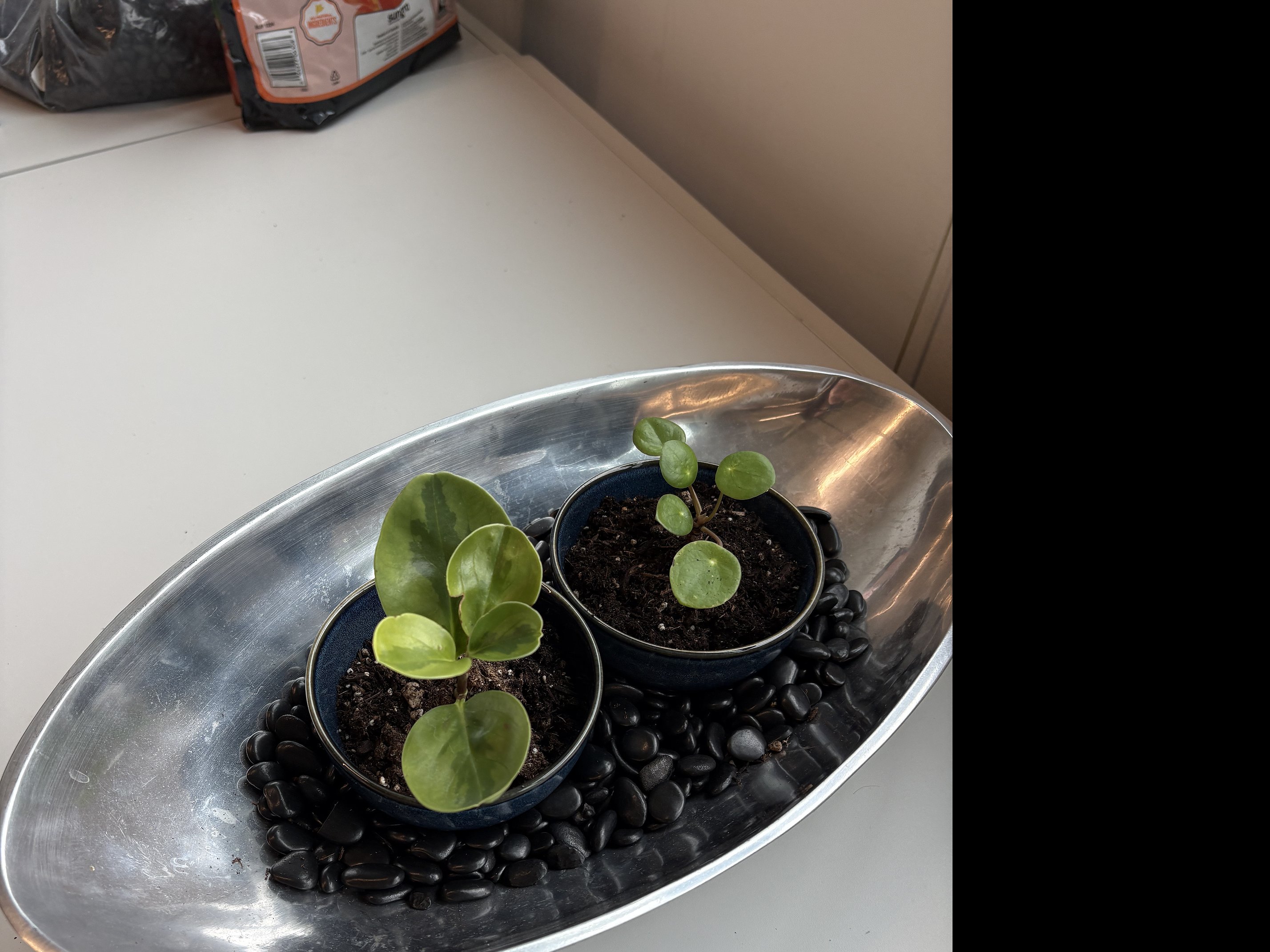 A few glass pebbles can provide enough drainage in a makeshift dish planter.
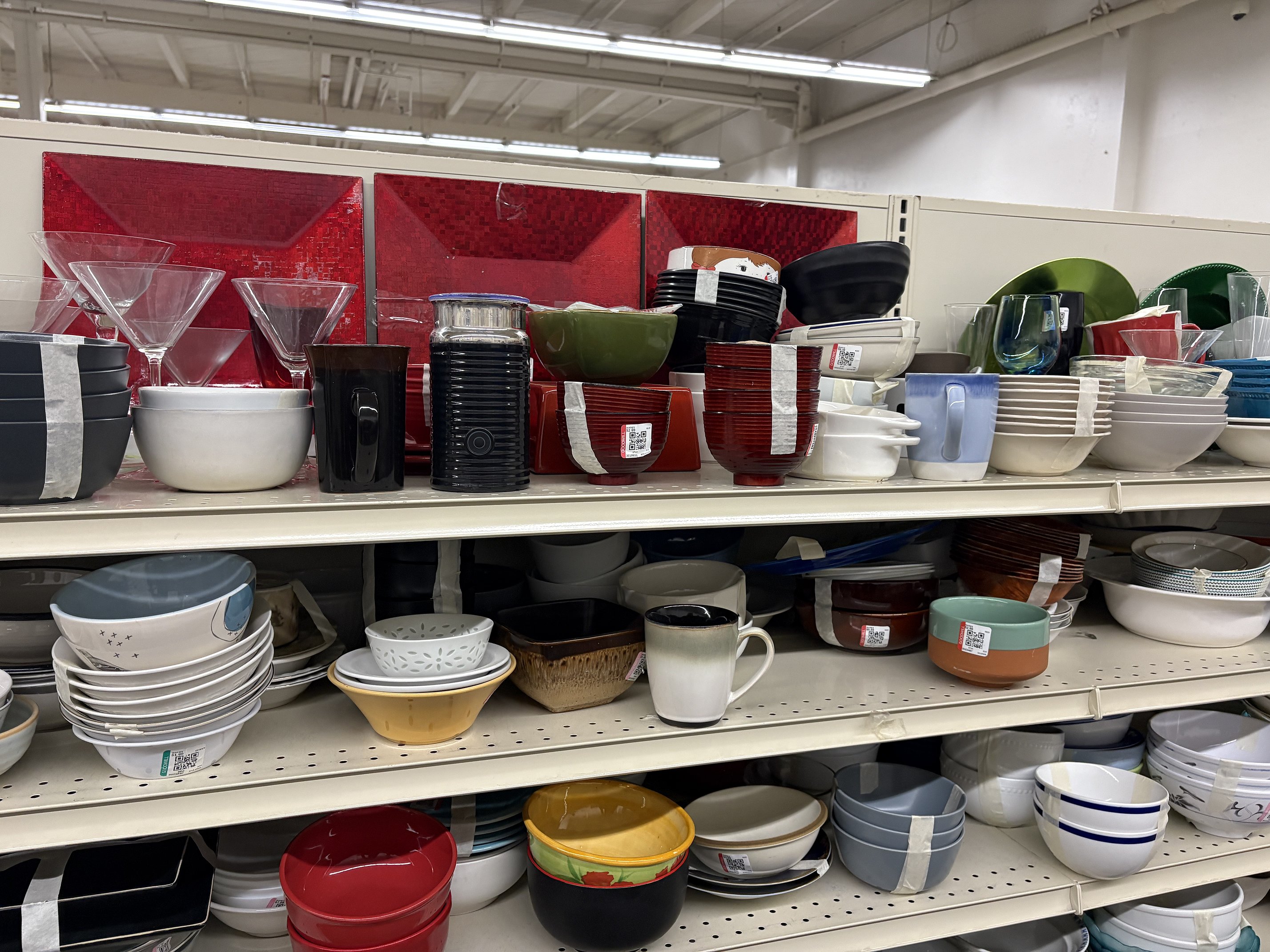 When you run out of mismatched or damaged dishes in your own kitchen, any thrift store can supply more.
ARTICLES BY JOEL MARTIN

Endless battle
Noxious Weed Control Board works to keep invasive plants under control
MOSES LAKE — Some of the nastiest plants in Grant County were the topic of a class led by Jay Johnson, a consultant with the Grant County Noxious Weed Control Board, Tuesday. The Noxious Weed Control Board, as its name would suggest, is tasked with keeping weeds under control in Grant County. That’s not a small job; the board’s website lists 129 species of noxious weeds that are found around Grant County. A noxious weed is defined as an invasive, non-native plant that threatens agricultural crops, local ecosystems or fish and wildlife habitat, according to the Noxious Weed Control Board. Washington state law requires that these weeds be identified and their spread kept to a minimum, if not completely eradicated. “We’re one of those agencies a lot of people don’t really understand,” Johnson said. “We’re a county office and … our funding is tax-based assessment. When you get your tax bill and you look down at all the expenses that you pay for, there we are.”

BASIN EVENTS: Oct. 16-24
COLUMBIA BASIN — Whether you feel like shopping, crafting, learning or seeing a show, there’s something happening for you this week in the Basin. Oct. 16 ‘My Family (Mi Familia)’ screening Spanning three generations, “My Family (Mi Familia)” is a heartfelt drama that follows the Sánchez family as they build their lives in East Los Angeles. Through love, hardship, triumph, and sacrifice, the film explores the immigrant experience, the strength of family bonds, and the traditions that connect one generation to the next. Lowrider show and taco truck before the screening. Sponsored by Columbia Basin Allied Arts, EDUBS C/S and the Moses Lake Creative District. $12 per person. Doors open at 6 p.m., film begins at 7 p.m. at the Moses Lake Civic Center Auditorium, 401 S. Balsam St. Tickets and info: www.cba-arts.org.

Moses Lake author encourages women to look beyond church culture norms
MOSES LAKE — A Moses Lake author’s book, “A Christian Woman Striving to Live Her Faith in a Man-Controlled World,” takes aim at the role to which many churches relegate the female half of their congregations. “It’s to encourage women in the faith,” Linda Curran said. “A lot of churches say, ‘Teach Sunday school, do this, do that, but don’t (evangelize.)’" In her book, Curran recounts a time when she moved to a new community and joined a church there. She was surprised to learn that, as a new female member, she had been automatically assigned church cleaning duties. When she questioned it, she wrote, she was met with condescension and her objections were brushed aside. In other churches, she said, women who were capable of teaching were relegated to “women’s ministry.”