
Prep your home for winter before you have to
JOEL MARTIN | Hagadone News Network | UPDATED 41 minutes AGO
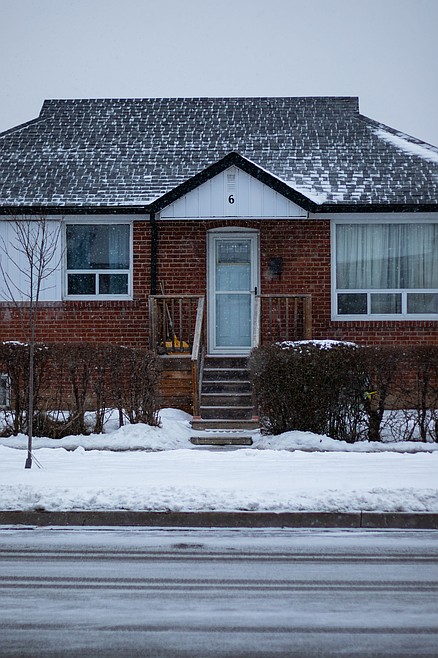
Winter is coming, so get started prepping the house before the cold weather sets in.
COURTESY PHOTO/ANURAG JAMWAL/PEXELS
Joel Martin has been with the Columbia Basin Herald for more than 25 years in a variety of roles and is the most-tenured employee in the building. Martin is a married father of eight and enjoys spending time with his children and his wife, Christina. He is passionate about the paper’s mission of informing the people of the Columbia Basin because he knows it is important to record the history of the communities the publication serves. | November 13, 2026 3:00 AM
MOSES LAKE — You’ve tried to put it off. You’ve tried to ignore the lengthening shadows, the chilly mornings, the afternoon sunset. But like it or not, winter is still coming, and that means there are things that have to be done around the house to prepare for the cold weather.
Insulation: According to the Department of Energy, 10%-20% of the average cost of energy in the U.S. is wasted heat from drafts, air leaks and outdated HVAC systems. That can get expensive. Start by checking the insulation in your attic, crawl space and walls. In the attic, a good way to tell if you have enough insulation is to look across the attic floor. If the insulation is level with or below the joists, you probably need more. For walls, the easiest way to get access is to take off the cover of an electrical outlet (remembering to turn off the power to it first) and shine a flashlight into the crack around the outlet box. Be sure to check all the floors and in newer and older parts of the home, as not all areas may have been insulated the same.
Plumbing: It’s been a few years since the 2024 Arctic outbreak dropped temperatures into the negatives in the Basin, according to the National Oceanic and Atmospheric Administration, but there’s still a danger of pipes freezing if the temperature gets down around 20 degrees and stays there a while. Pools and sprinkler systems should be drained, and outdoor hoses should be disconnected and put away. Find the interior pipes under the sinks and cabinets and make sure they’re insulated. There are commercial products that can insulate pipes, but even a quarter-inch of newspaper wrapped around an interior pipe can help, according to the American Red Cross. Keep the inside temperature of the home at the same level it would be the rest of the year, and if you leave home for a few days, make sure the thermostat is set to at least 55 degrees.
If we do get a cold snap, leave a little trickle of water running from the inside faucets until the weather warms up again.
Windows and doors: The Department of Energy recommends caulking and weather-stripping around the windows and doors, and places where pipes or wires come through walls, floors, ceilings or soffits over cabinets. A good way to spot air leaks is to look for dirty spots on ceiling paint and carpet, which can indicate an air leak at the wall joists. If possible, replace single-pane windows with double-pane windows. Make sure the fireplace flue is tightly closed when there’s no fire going, and check to make sure the dryer vent is clear to prevent fire.
If the weather turns nasty: Winter storms are always a possibility, even if it’s been warmer the last few years. The Centers for Disease Control recommends keeping an eye on the weather forecasts and bringing pets inside if possible. Make sure the smoke detectors and, if any, carbon monoxide detectors have fresh batteries. Checking the batteries in flashlights and radios is also smart, in case the power goes out, or get devices that can be powered with a hand crank. Have a supply of warm clothes and blankets stored where you can find them quickly in the dark.
Winter can be a fun, cozy time, as long as you and the weather keep the right distance from each other. For more information, visit www.energy.gov.
The federal government has help available to pay for heating and home weatherization. To learn more, visit www.usa.gov/help-with-energy-bills.
ARTICLES BY JOEL MARTIN
Four hurt in SR 17 crash
MOSES LAKE — A suspected DUI collision injured four people and closed state Route 17 near Big Bend Community College Wednesday night, according to a statement from the Washington State Patrol. At a little before 7:30 p.m., Samuel Alejandro Gonzalez, 22, of Quincy was driving south on SR 17 when his vehicle crossed the center line and struck a pickup driven by Karmen M. Andrews, 50, of Moses Lake, according to the statement. Gonzalez’s vehicle came to rest blocking the northbound lane, and Andrews’ vehicle came to rest blocking the southbound lane. Gonzalez and Andrews were both transported to Samaritan Hospital for treatment, according to the WSP statement. Two 13-year-old passengers in Gonzalez’s car were also injured but not transported. Andrews was wearing her seat belt; Gonzalez was not. It was unknown whether the juveniles were buckled.
Prep your home for winter before you have to
MOSES LAKE — You’ve tried to put it off. You’ve tried to ignore the lengthening shadows, the chilly mornings, the afternoon sunset. But like it or not, winter is still coming, and that means there are things that have to be done around the house to prepare for the cold weather. Insulation: According to the Department of Energy, 10%-20% of the average cost of energy in the U.S. is wasted heat from drafts, air leaks and outdated HVAC systems. That can get expensive. Start by checking the insulation in your attic, crawl space and walls.

BASIN EVENTS: Nov. 13-21
COLUMBIA BASIN — Shh! Hear that? It’s the last quiet time before the holidays begin in earnest. Here are a few ways to enjoy it. Nov. 13-17 Cozy Christmas Market Holiday gifts and décor, vintage finds, handmade goods, local artisan vendors, seasonal treats and wreath workshops. Seed Cupboard Nursery, 12543 Road H SW, Royal City. Info: seedcupboardnursery.com.