
Found a stray cat? It may not need saving
MAKEILAH LAW | Hagadone News Network | UPDATED 1 day, 7 hours AGO
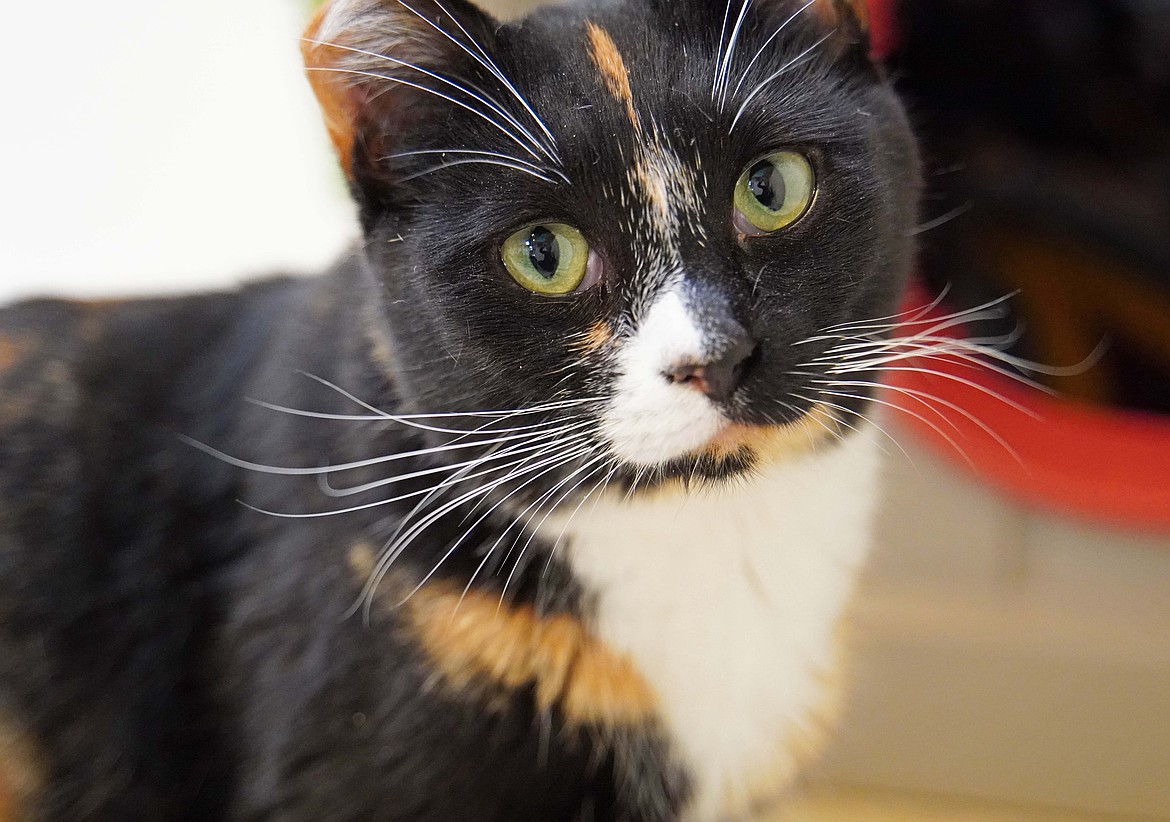
The Better Together Animal Alliance is encouraging individuals to think twice before bringing a cat into the shelter.
Courtesy of BETTER TOGETHER ANIMAL ALLIANCE

Better Together Animal Alliance staff check a cat's health during a recent pet clinic.

A few of the kittens which have made their way to the Better Together Animal Alliance's Ponderay facility after a trio of cat overpopulation cases in Bonner County were discovered recently.
SANDPOINT — From lounging on someone's driveway to wandering neighborhood streets, free-roaming cats are a common sight in Sandpoint. While it may be tempting to rescue the seemingly stray felines by bringing them to the shelter, the Better Together Animal Alliance is advising that removing them from familiar environments could do more harm than good.
That's why BTTA follows nationally recognized animal welfare practices that prioritize the individual needs of cats — both inside and outside the shelter.
"The goal isn't simply to bring more cats through the shelter doors. It's to get the right help to the right cats, whether that means shelter care, reunification with an owner, foster care or services that allow a cat to remain safely in its familiar environment," according to a BTTA press release.
The likelihood of a cat being returned to its owner after being brought to an animal shelter is 3%, a national average that is experienced locally in BTAA's service region. Consequently, the BTTA considers several factors when a cat is brought in.
A cat's health, behavior, age, and identification help determine the best course of action.
For example, if a cat is friendly, healthy, fixed, and has identification, BTTA will take the cat in, hold it for five business days and post it as found, while the shelter makes efforts to reunite the cat with its owner. If the cat is not reclaimed after its hold period is over, it will be available to adopt.
If a cat is friendly, healthy, and fixed but lacks identification, BTTA will vaccinate and microchip the animal, place a tagged collar on it, and return it to the location it was found.
Sometimes, cats that are brought in are unable to be handled. In such cases, the animals undergo the Return-to-Field program — an approach that fixes and vaccinates cats brought into the shelter and returns them to the location where they were found.
"The goal is to avoid unnecessary confinement, stress, and exposure to illness, and return cats to the environment they know, rather than treating every outdoor cat as an animal in need of adoption," said the press release.
Another approach designed for feral cats living outdoors includes the Trap-Neuter-Return program. Community cats are humanely trapped and fixed before being returned to their outdoors homes.
Oftentimes, outdoor cats are already being cared for by one or more individuals in the neighborhood who supply food, water, and shelter. Others might be owned pets who have access to the outdoors. Either way, BTTA said its important to understand those differences.
"Taking a healthy cat away from its familiar surroundings can create unnecessary stress and separation from the people who may already be caring for it. Shelter environments also carry risks of stress and infectious disease exposure, particularly for cats," according to a BTTA press release.
Beyond those programs, the shelter also provides vast resources to the people who care for community cats, including food assistance, trapping resources, affordable spaying and neutering, cat colony support, education campaigns and foster care.
The BTTA offers traps, food, blankets, dishes, medical care for people caring for sick or injured cats. They also distribute over 100,000 pounds of ped food each year, helping people feed their own pets, as well as the cats that roam free.
So far this year, 853 cats have been brought into BTTAs care. Of those, 281 were served through TNR, 22 through RTF, and 143 through spay and neuter services.
If one finds a cat, the BTTA encourages individuals to observe it from a distance, look for identification, and consider if someone nearby may be caring for it before bringing it to the shelter.
"The goal is to help cats wherever they are, while giving community members the resources to be part of the solution," said the press release.
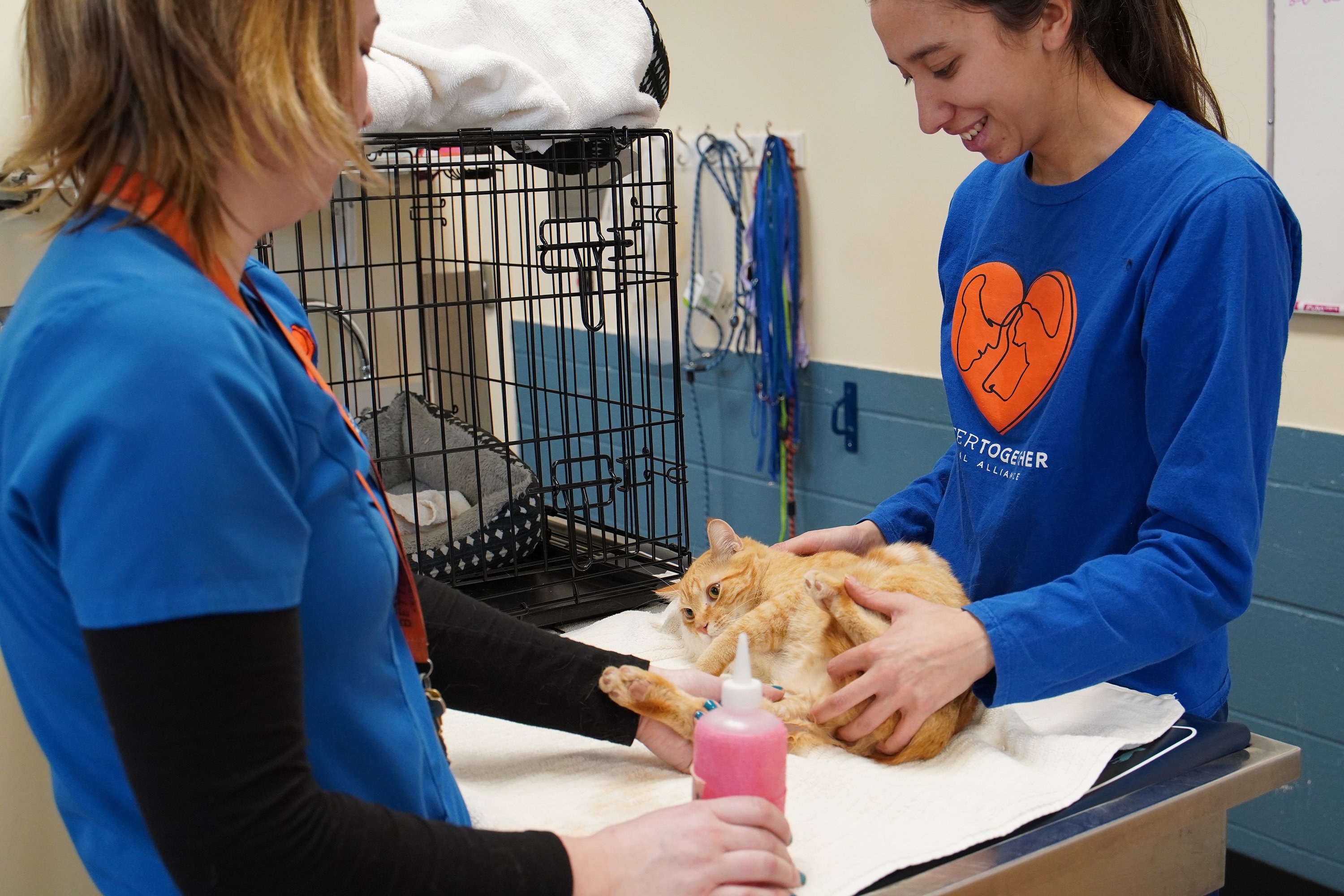 Better Together Animal Alliance staff check a cat's health during a recent pet clinic.
 A few of the kittens which have made their way to the Better Together Animal Alliance's Ponderay facility after a trio of cat overpopulation cases in Bonner County were discovered recently.
ARTICLES BY MAKEILAH LAW
Found a stray cat? It may not need saving
From lounging on someone's driveway to wandering neighborhood streets, free-roaming cats are a common sight in Sandpoint. While it may be tempting to rescue the seemingly stray felines by bringing them to the shelter, the Better Together Animal Alliance is advising that removing them from familiar environments could do more harm than good.
Students saddle up as donkey basketball returns to SHS
Game delivers both fun, funds for SHS Mentors program
Donkeys, basketball and school spirit took center stage at Sandpoint High School as students, teachers and staff competed in a lively fundraiser for SHS Mentors.

Euclid Water Access Project moves forward
The Sandpoint City Council provided direction on the city's Euclid Right-of-Way Water Access Project Wednesday, with several council members favoring a simple, low-maintenance approach for improving the space.