
Keys to the future: Nonprofit provides critical transportation to those in need
ELSA ERICKSEN | Hagadone News Network | UPDATED 1 day, 12 hours AGO
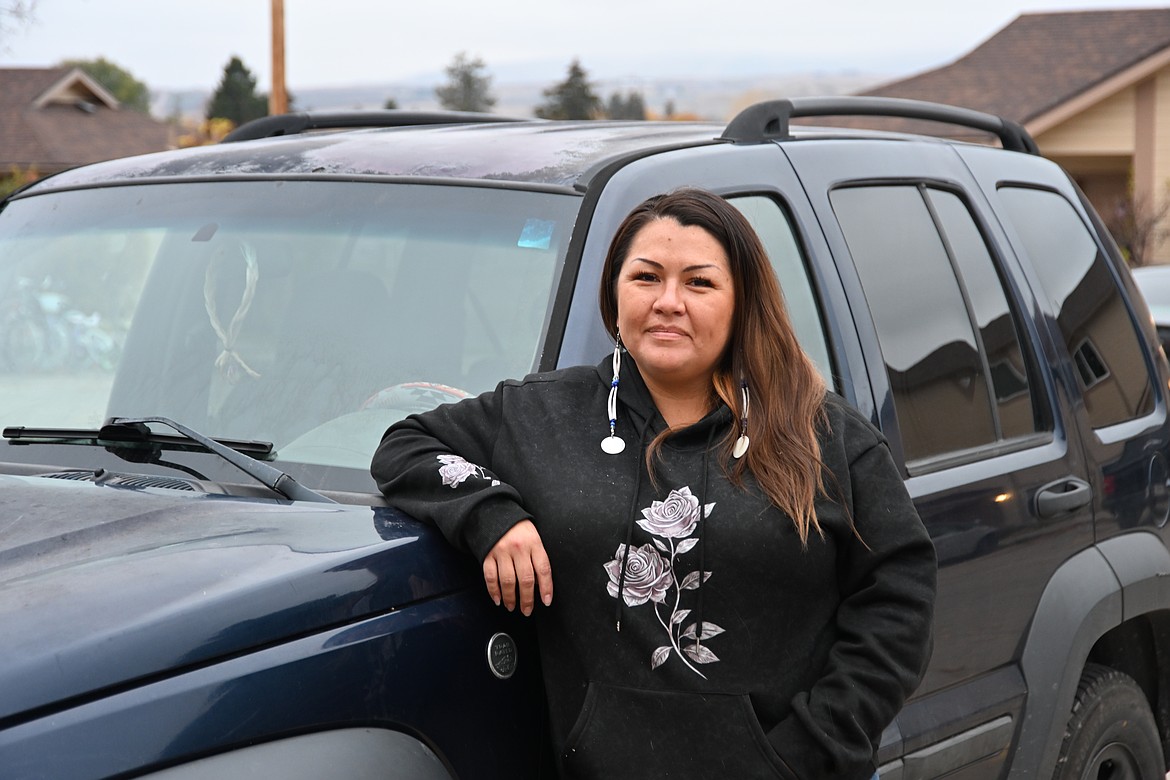
Mary Pierre of Polson is the 100th recipient of a car from Driving Hope, a nonprofit that distributes free cars to residents of the Flathead Valley. (Elsa Ericksen/Daily Inter Lake)
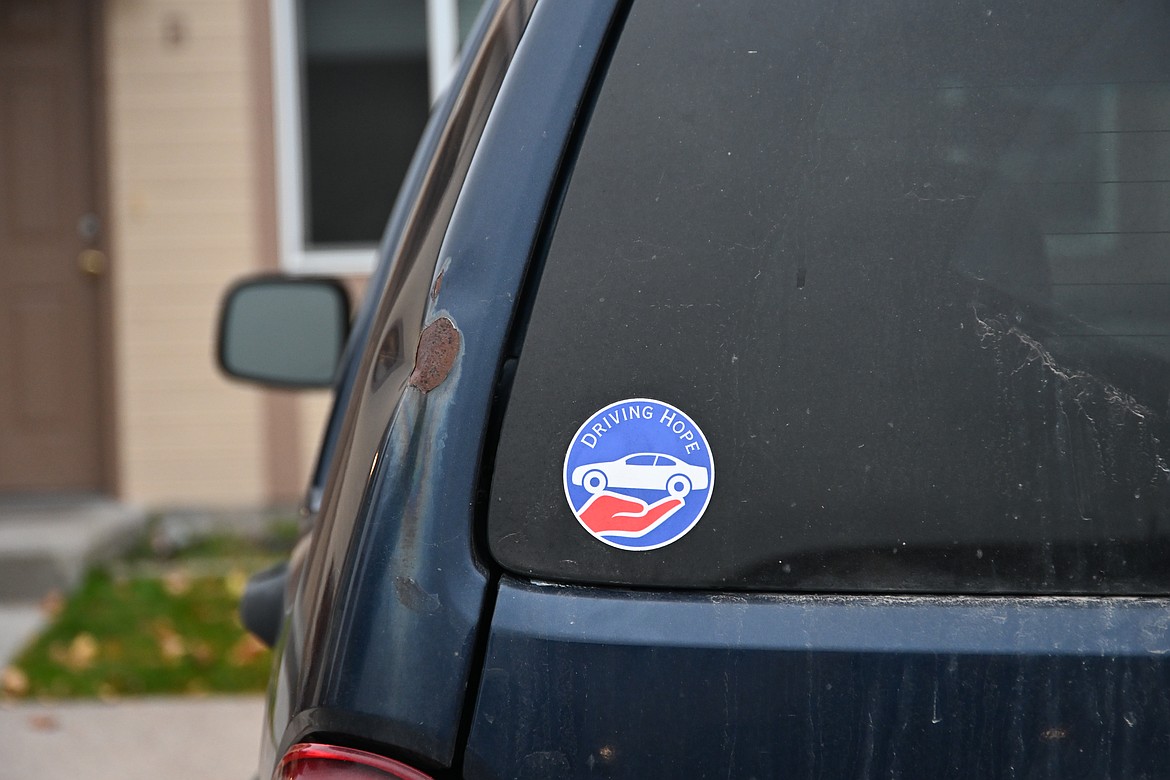
Driving Hope is a nonprofit that provides free cars to residents of the Flathead Valley. The organization gave away its hundredth car in September. (Elsa Ericksen/Daily Inter Lake)
With the hot summer sun glaring in their eyes, Mary Pierre and her daughter trudged up the hill between the grocery store and their home in Polson.
Over the mile-long journey, the plastic handles of a dozen grocery bags bit into Pierre's arms, and her daughter pushed a bicycle with more bags bungee-corded to the rack.
In a car, the ride to the grocery store would have blurred by before a song finished, but Pierre had been borrowing her mother's car, and when a belt snapped in the engine, she couldn't afford to replace it. So instead, she and her daughter spent more than an hour round trip walking to get groceries.
In the summer months, the situation was workable, but it wasn't sustainable, and Pierre, 35, worried about what would happen come winter when the roads iced over and the temperatures plummeted. And there were the other activities that required a car: work, taking children to appointments and attending church. As a single mother with two sons and a daughter, Pierre was scraping by with public transportation and help from family, but it wasn't clear how much longer that could last.
"We survived. We made it happen regardless. But you know, it's just that much more to appreciate when you do have a vehicle," Pierre said, her dark hair and warm eyes reflected in the windows of a navy-blue Jeep.
It was a cloudy day in November, and a chill was starting to settle into the air. Her son's powwow outfit was draped across the backseat, and a circle of braided sweetgrass hung from the rearview mirror of the vehicle she named Hope when she received it in September.
The lifeline of transportation came from Kalispell-based nonprofit Driving Hope. The organization donates vehicles to those without one in the Flathead Valley, recognizing how essential a car is for everyday life in the rural communities of Northwest Montana.
Hope was the 100th car that Driving Hope has given away since the nonprofit was founded in 2020.
"I had a hard time believing it was real," Pierre said from beside her car, her long treks to the grocery store a distant memory. "I thought, 'Yeah, that ain't real. People don't do that. People don't just give away cars.'"
Robert and Lacy Bradford, though, do give away cars. The Kalispell couple founded Driving Hope six years ago, with the intention of doing just that, even if it felt crazy to them at the time.
Robert is a mechanic who works at Assurance Automotive, another nonprofit that supplies discounted shop labor on vehicles, while Lacy is the business manager at Smith Valley School. For years, the couple purchased cheap vehicles to flip and sell for some extra income for their family.
Then one day, Lacy said, "God stepped in and told us that we were supposed to give the cars away. We thought that was crazy and sounded like a terrible plan. But it turns out he probably knows better than we do, so we started doing it. We started giving cars away."
The Bradfords weren't unfamiliar with the burden faced by those without vehicles in the Flathead Valley. They fostered children for many years, and they saw that many of the parents struggled to make court appointments or fulfill parenting plan requirements because they lacked reliable transportation. As they started Driving Hope, they realized that it's an issue that impacts people from all walks of life.
"Transportation is a giant barrier," Lacy said. "People can't get to work, can't keep their jobs, can't get their kids to school. A lot of the people we serve need to get to medical appointments regularly. We've given away a car to a family that had to take their child to Spokane for medical treatments, and they didn't even have a vehicle. Major things are being faced in our community, and we're doing our community a disservice by not trying to break those barriers."
Like most rural communities, public transportation in the Flathead Valley is limited and often unreliable, and there isn't sufficient infrastructure to make walking a viable alternative. The Mountain Climber provides limited public transportation in Flathead County, and Pierre uses the Confederated Salish and Kootenai Tribe's transit system, but both are challenging to work around a schedule.
Pierre works in Pablo, 15 minutes from where she lives, and the public transit schedule means she would be either an hour early or an hour late for work, and there isn't enough flexibility for her to get back to Polson quickly if one of her children were to get sick at school and need to go home.
THE WAIT list for a vehicle from Driving Hope is more than 400 people long. The Bradfords have fielded requests from Missoula and Billings and even Idaho, but they need more manpower and more donations before they can even begin to think about expanding beyond the Flathead Valley.
The Bradfords rely entirely on cars donated by the community, and they flip two cars per month for an average cost of $2,000 per car. The two work full-time jobs but still find time to read applications, communicate with shops, locate places to store donated vehicles, and work with selected recipients. They would love to see the nonprofit grow to be able to hire a dedicated staff member, and for shops in the Flathead Valley to start donating labor to repair the donated vehicles.
While the nonprofit hit a milestone with its 100th car, the plan is to donate hundreds more.
An enrolled member of the Confederated Salish and Kootenai Tribes, Pierre speaks proudly of her heritage. She draws people in with her storytelling, her beaded earrings shaking when she laughs. It's easy to see how those stopping by for a cup of coffee at the Quicksilver Express in Pablo, where she works, often stay for much longer than intended.
Pierre doesn't hide the fact that she comes from a rocky world, one punctuated by divorce and addiction. In 2020, she and her three children moved in with her sister in Polson, and Pierre found work. Her life seemed to be turning a corner when she secured a house in Turtle Lake through the tribe's housing program.
But just before moving in, Pierre fell back into addiction and lost her job. She tried to scrape by for a time before realizing this was no way to live and reached out to her mother, who agreed to take over the house and look after Pierre's three children while she sought treatment.
Though sober for a year and a half and holding down a job, the challenges didn't stop: Pierre didn't have a car. A family member loaned her a car, but it proved obsolete after a month. Pierre borrowed her mother's car, but she couldn't afford to repair it.
Relying solely on public transportation and family support, Pierre struggled to establish her life post-addiction. She couldn't take her children to the mountains to fish or to powwows, and she often missed recovery meetings or church services because she couldn't find a ride.
"It's hard not to feel like a burden when you don't have your own car," Pierre said.
These are the barriers Driving Hope seeks to eliminate. When Pierre heard about the organization, it sounded too good to be true, but she applied anyway. The process took a year, but as Pierre started to trade emails back and forth with Lacy, she started to allow herself to hope that this was real. She sent in her driver's license and proof of insurance, both requirements for Driving Hope car recipients.
Then, on Sept. 19, Pierre met the Bradfords in Kalispell. Pierre was still in disbelief, even when she saw the Jeep with balloons tied to its mirrors.
"When this happened, my hopes were up, but I didn't want to let it devastate me like it has repetitively in my life. So, I was just teeter tottering back and forth," Pierre said. "I was driving away in the car, and I didn't even take the balloons off. I drove around town with the balloons on."
Since getting Hope, the Jeep she had secretly dreamed about, Pierre has felt a freedom she hasn't felt in years.
"I have the ability to go the extra mile if I have to," Pierre said. "They had a powwow in Missoula for Indigenous Peoples' Day, and I was able to bring my son there, and he really loves to dance. We don't have to miss out on this anymore. We don't have to watch it online. We have the power to say, 'Let's go.'"
Life is easier now, and that gives her hope for the future.
But those days before Hope are still fresh, and she knows there are still others in her community who are struggling to make ends meet without a car, so she pays it forward, giving rides when she can.
"I now get to be of service. I get to return the favor," Pierre said.
To connect with Driving Hope or apply for a vehicle, visit drivinghopemt.wordpress.com/
Reporter Elsa Ericksen can be reached at 406-758-4459 or [email protected]. If you value local journalism, pledge your support at dailyinterlake.com/support.
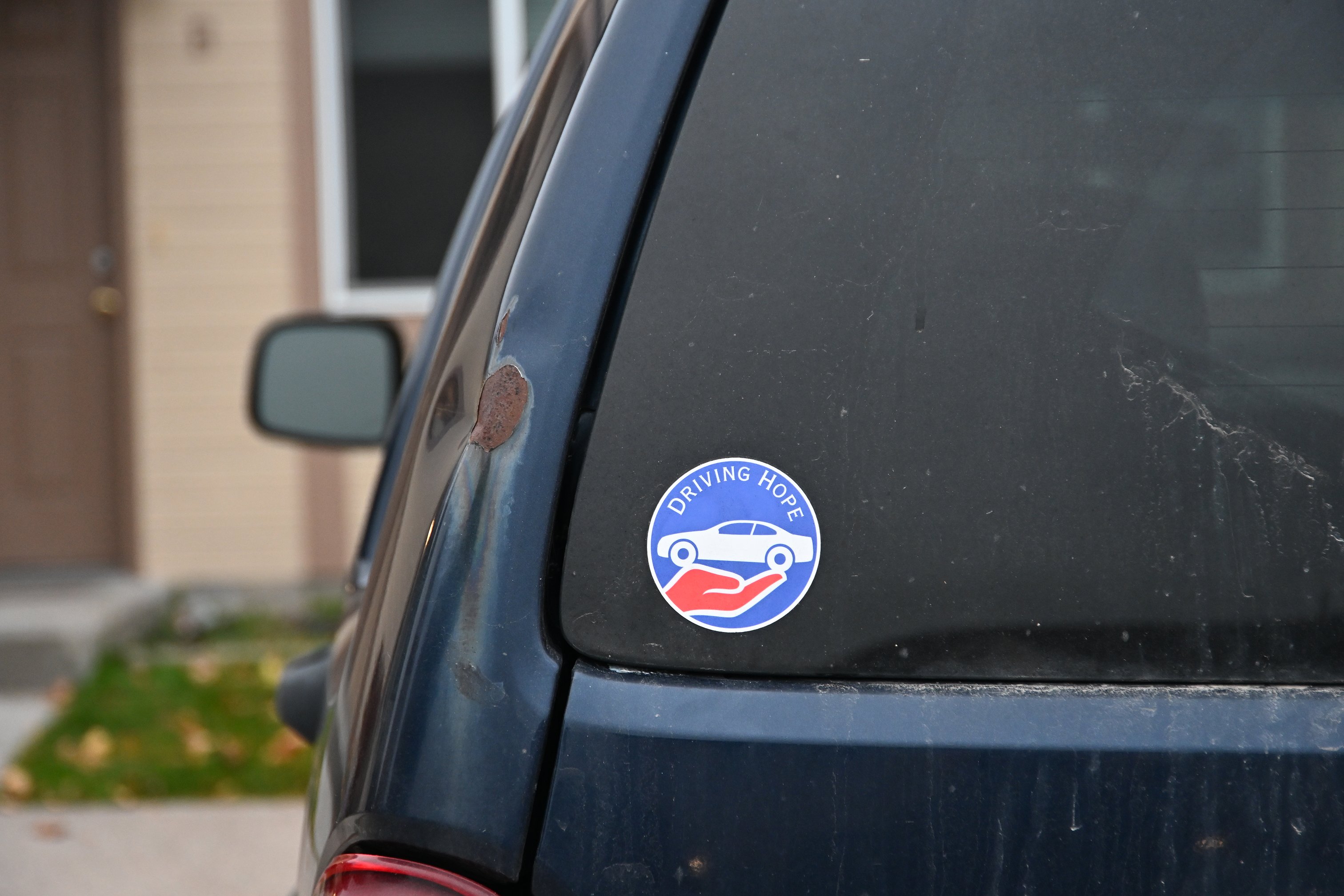 Driving Hope is a nonprofit that provides free cars to residents of the Flathead Valley. The organization gave away its hundredth car in September. (Elsa Ericksen/Daily Inter Lake)
ARTICLES BY ELSA ERICKSEN
New Sportsman's Bridge to open next week
A crowd of construction workers and Bigfork residents gathered last week on a drizzly day to celebrate the completion of the new Sportsman's Bridge spanning the Flathead River on Montana 82.
Lakeside sewer district proposes bond to finance new facility
The Lakeside County Water and Sewer District is proposing to levy a special assessment on residents to finance the second phase of its wastewater treatment facility expansion project, a move that drew opposition from community members on Tuesday.
Keys to the future: Nonprofit provides critical transportation to those in need
The organization donates vehicles to those without one in the Flathead Valley, recognizing how essential a car is for everyday life in the rural communities of Northwest Montana.