
State burn ban ends; aid sought for E. Washington
NANCE BESTON | Hagadone News Network | UPDATED 4 hours, 27 minutes AGO
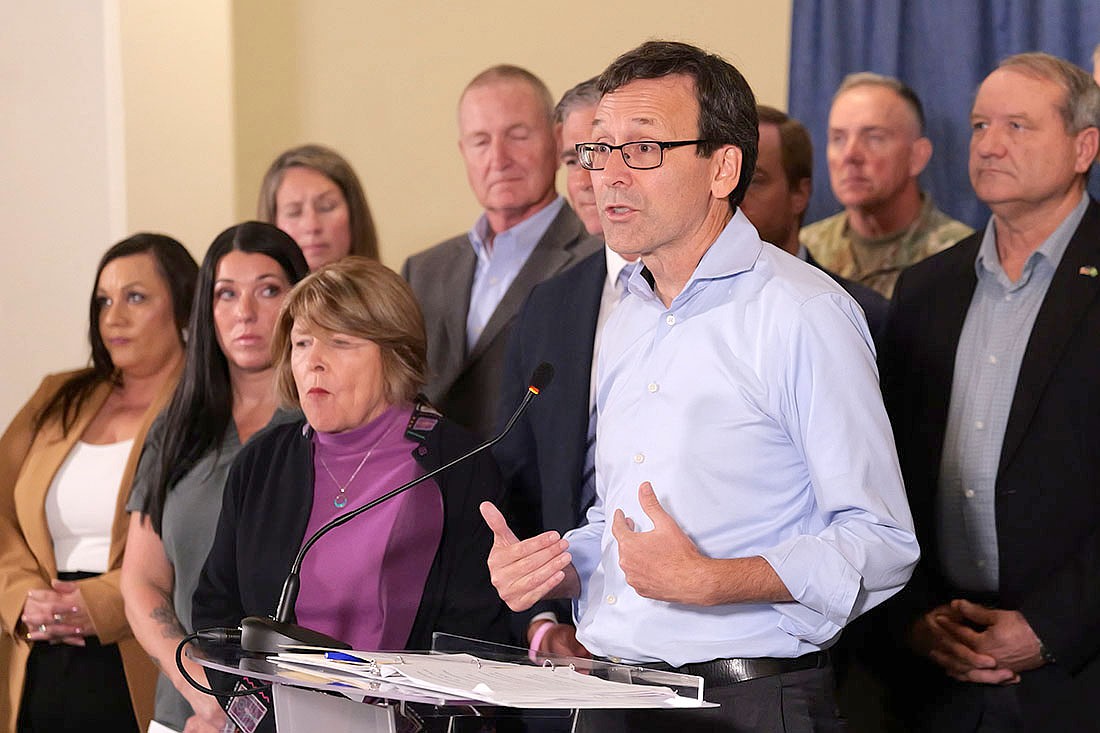
Washington Gov. Bob Ferguson sent a letter to President Donald Trump Sunday requesting a federal Major Disaster Declaration to help residents and local governments recover from large, costly wildfires seen on the landscape this year.
COURTESY PHOTO/GOV. BOB FERGUSON
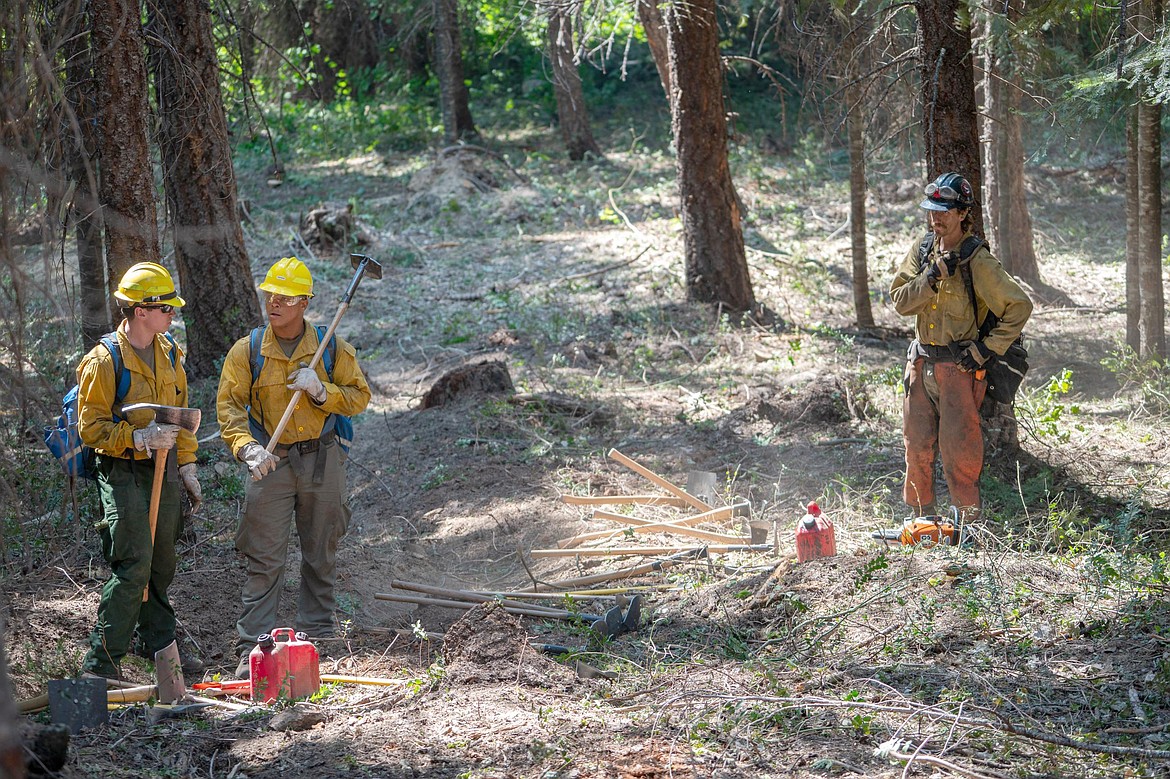
Fire crews are still working on mopping up at the Little Giant Fire which is now 93% contained and scorched around 173,000 acres in Chelan County. The fire is the largest still on the landscape as of Tuesday.
OLYMPIA — Washington's statewide outdoor burn ban is scheduled to end Oct. 1, but state fire officials caution the end of the restriction should not be mistaken for the end of fire season.
Washington Dept. of Natural Resources Public Information Officer Ryan Rodruck said the state is still waiting for a season-ending rainfall event.
“Just because the burn ban is ending does not mean that the fuels out there will not still carry fire,” Rodruck said. “They absolutely will. The chance of large, costly fires has decreased significantly, but we will still continue to see fire on the landscape, potentially, for the next few weeks. We urge community members to use caution and follow local guidelines with any burning they may do following the end of the burn ban.”
Gov. Bob Ferguson formally sought federal disaster assistance for communities devastated by what became one of the state’s most destructive wildfire seasons in recent history.
In a letter sent Sunday to President Donald Trump, Ferguson requested a federal Major Disaster Declaration to help residents and local governments recover from multiple large wildfires that swept through Eastern Washington in late July and early August, destroying hundreds of homes, displacing thousands of residents and leaving damage that officials say continues to overwhelm local recovery efforts, according to a statement from the governor.
A preliminary damage assessment conducted by the Washington State Emergency Management Division, FEMA and local jurisdictions found the fires destroyed 649 primary residences, damaged an additional 2,542 homes and burned nearly 369,000 acres.
“These fast-moving wildfires devastated communities around our state, and overwhelmed state and local response capabilities,” Ferguson said in a statement. “While the impact in monetary terms is significant, the damage goes far beyond the numbers. Whole neighborhoods are gone, and communities have been changed forever. Federal financial assistance is critical to help these communities recover and rebuild. My team and I are laser-focused on helping people recover from this disaster.”
The governor's request would open FEMA Individual Assistance programs for wildfire survivors in Benton, Okanogan, Spokane and Stevens counties and the Spokane Tribe of Indians, potentially making an estimated $11.2 million available to affected residents. Ferguson is also seeking approximately $117.7 million in FEMA Public Assistance funding to help local governments remove debris and recover emergency response costs across 11 counties, including Grant County.
Active fires in Washington:
Border 2 Fire: 9,108 acres. 75% contained. Started July 16. Whatcom County. Lightning caused. The total estimated cost is $5.55 million.
King Fire: 3,427 acres. 19% containment. Started Aug. 19. Kittitas County. Lightning caused. The total estimated cost is $1 million.
Little Giant Fire: 172,893 acres. 93% containment. Started July 15. Chelan County. Lightning caused. The total estimated cost is $220 million.
Luna Fire: 8,553 acres. 42% contained. Started July 24. Whatcom County. Unknown cause. The total estimated cost is $5 million.
Sisi Fire: 4,330 acres. 29% containment. Started Aug. 14. Chelan County. Lightning caused. The total estimated cost is $10 million.
Sinlahekin Fire: 166,026 acres. 93% contained. Started July 26. Okanogan County. Lightning or natural caused. The total estimated cost is $150 million.
Three Queens Fire: 9,575 acres. 32% containment. Started July 15. Kittitas County. Lightning or natural caused. The total estimated cost is $85 million.
SOURCES: INCIWEB, NATIONAL INTERAGENCY FIRE CENTER and AIRNOW.
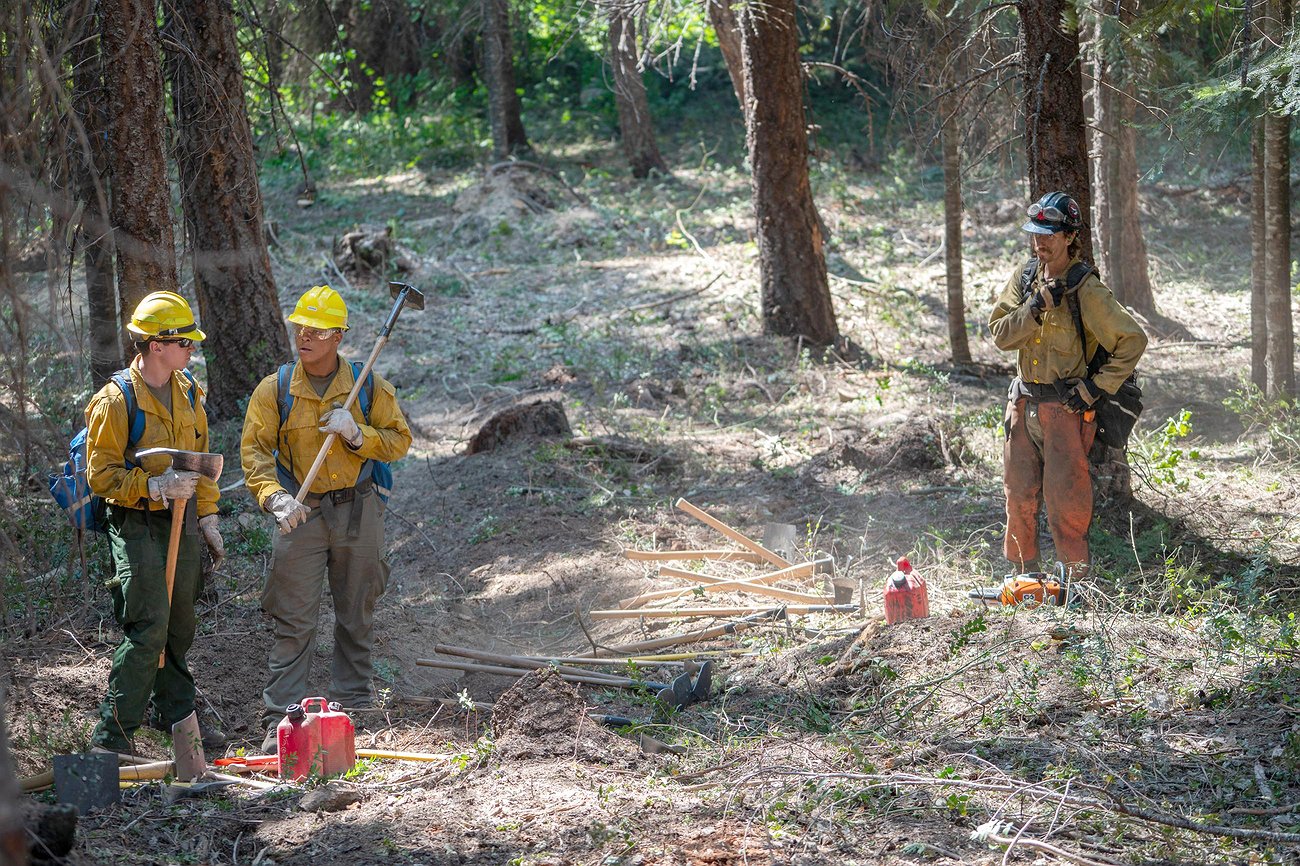 Fire crews are still working on mopping up at the Little Giant Fire which is now 93% contained and scorched around 173,000 acres in Chelan County. The fire is the largest still on the landscape as of Tuesday.
ARTICLES BY NANCE BESTON
State burn ban ends; aid sought for E. Washington
OLYMPIA — Washington's statewide outdoor burn ban is scheduled to end Oct. 1, but state fire officials caution the end of the restriction should not be mistaken for the end of fire season. Washington Dept. of Natural Resources Public Information Officer Ryan Rodruck said the state is still waiting for a season-ending rainfall event. “Just because the burn ban is ending does not mean that the fuels out there will not still carry fire,” Rodruck said. “They absolutely will. The chance of large, costly fires has decreased significantly, but we will still continue to see fire on the landscape, potentially, for the next few weeks. We urge community members to use caution and follow local guidelines with any burning they may do following the end of the burn ban.”

Falstad, Homesley outline approaches to election security, public trust
EPHRATA — As Election Day approaches, questions about election integrity, ballot security and public trust remain at the forefront of political discussions across the country. For the fourth installment of the Columbia Basin Herald’s five-part candidate Q&A series, auditor candidates Shannon Falstad and Darci Homesley were asked: “Election administration has become increasingly scrutinized in recent years. What is the most important thing Grant County voters should know about how local elections are conducted, and what additional steps, if any, would you take to strengthen public confidence in the process?”

Soap Lake seeks input on 20-year growth plan
SOAP LAKE — Soap Lake residents will have multiple opportunities over the coming months to help shape the city's future as officials work to update the community's comprehensive plan, a document that will guide growth, housing, infrastructure and development decisions for the next 20 years. The city is hosting a five-part workshop series beginning Thursday at the Soap Lake Community Center, where residents can learn about proposed changes and provide feedback on topics ranging from housing and economic development to transportation, parks and development regulations. City Planner Alex Kovach said the comprehensive plan serves as the community's roadmap for future growth.